Maintaining high levels of cleanliness in hotels goes far beyond visible tidiness. One of the most critical yet often overlooked aspects is hotel textile hygiene. From bed sheets and towels to curtains and upholstery, textiles play a major role in guest comfort, safety, and overall satisfaction. In today’s hospitality landscape, where hygiene expectations are higher than ever, adhering to strict textile standards is essential.
This guide explores the key components of hotel textile hygiene, how it connects to broader hospitality practices, and why it matters for both guests and hotel operators.

What Is Hotel Textile Hygiene?
Hotel textile hygiene refers to the processes, standards, and practices used to clean, sanitize, and maintain all fabric-based items within a hotel environment. These textiles include:
- Bed linens (sheets, pillowcases, duvets)
- Towels and bathrobes
- Curtains and drapes
- Upholstery and decorative fabrics
- Staff uniforms
Proper hygiene ensures that these items are free from dirt, allergens, bacteria, and other contaminants, contributing to a safe and comfortable stay.
Why Hotel Textile Hygiene Is Critical for Safety
Guest Health and Well-being
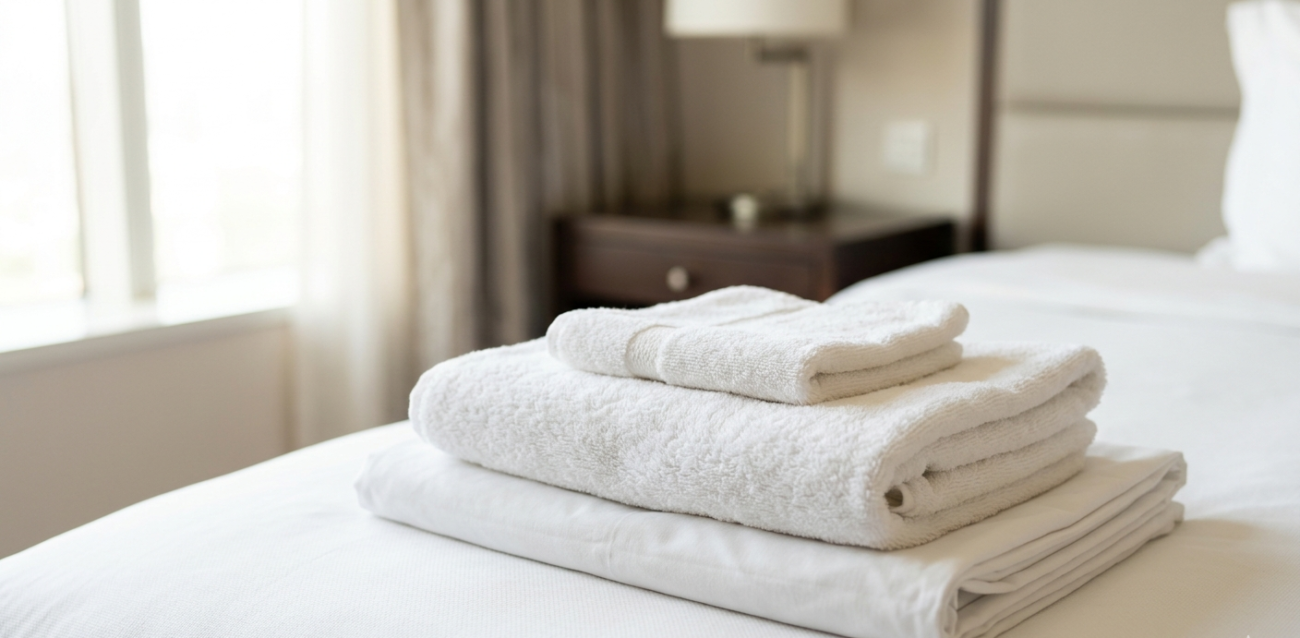
Clean textiles are directly linked to guest safety. Poor hygiene can lead to the spread of bacteria, allergens, and even infections. High standards help minimize these risks and create a healthier environment.
Brand Reputation
In the age of online reviews, a single complaint about dirty linens can harm a hotel’s reputation. Maintaining excellent hotel linen quality reinforces trust and encourages repeat bookings.
Regulatory Compliance
Hotels must follow local and international hospitality linen standards to ensure safety and hygiene. Failure to comply can result in penalties or loss of business licenses.
Key Components of Hotel Textile Hygiene Standards
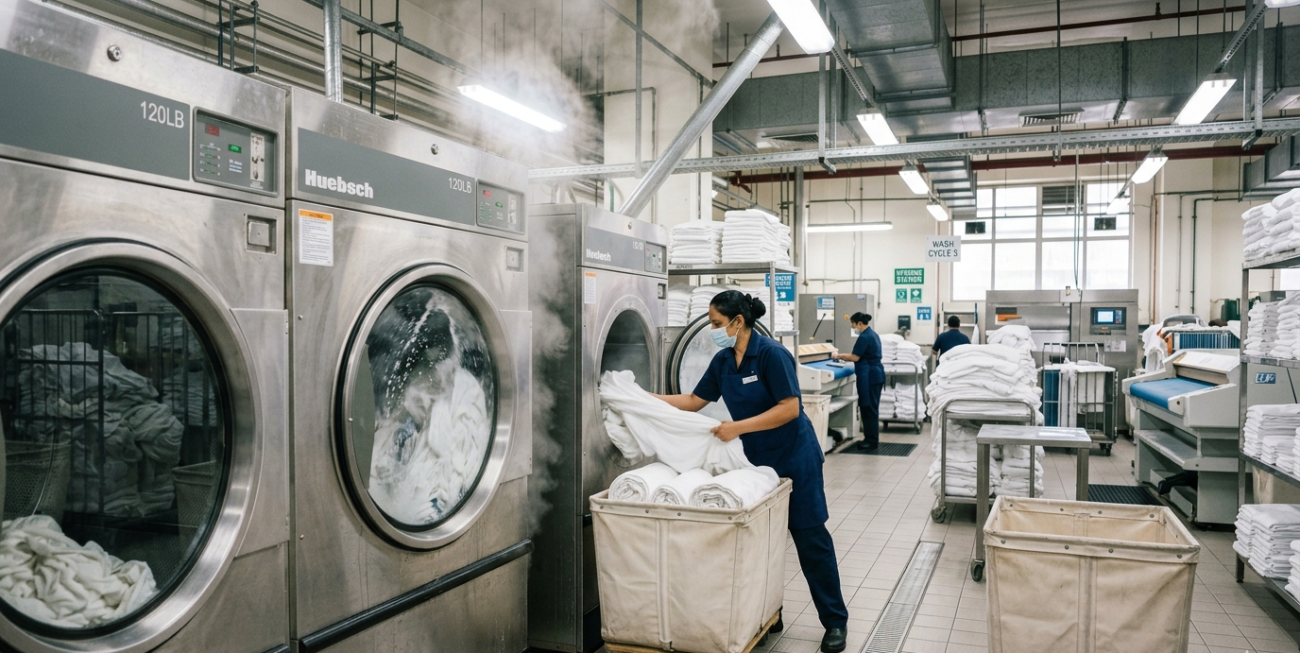
1. Proper Washing and Sanitization
Effective laundering is the foundation of hotel textile hygiene. This includes:
- Washing at high temperatures to kill bacteria
- Using professional-grade detergents and disinfectants
- Following specific wash cycles for different fabric types
Hotels often rely on industrial laundry systems designed to meet strict hotel linen standards, ensuring consistent cleanliness across all items.
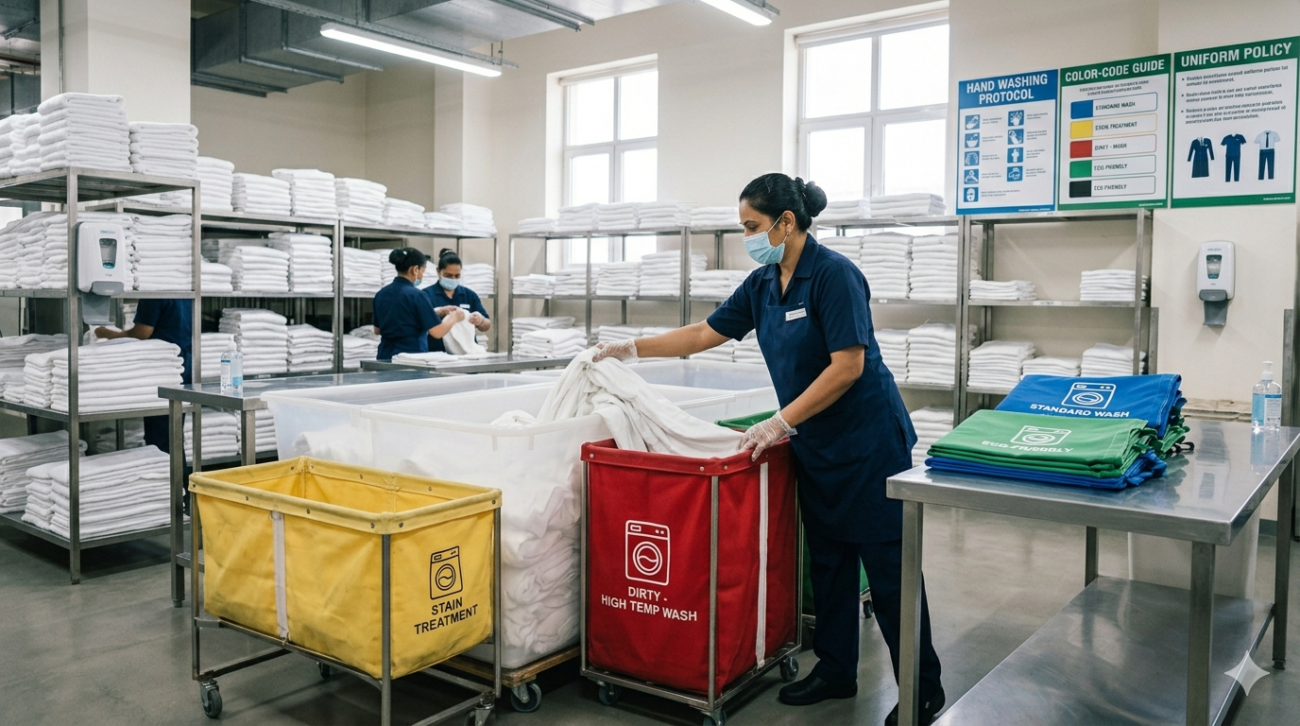
2. Separation and Handling Protocols
To prevent cross-contamination, hotels must implement strict handling procedures:
- Separating soiled linens from clean ones
- Using color-coded bags or containers
- Training staff in safe handling techniques
These practices are essential parts of modern hotel linen practices and play a major role in maintaining hygiene.
3. Quality Control and Inspection
Before textiles are returned to guest rooms, they undergo thorough inspection. This includes checking for:
- Stains or discoloration
- Tears or damage
- Residual odors
High-end properties, especially those offering luxury hotel linen, often have additional quality checks to ensure a premium guest experience.
4. Storage and Distribution
Clean linens must be stored in a controlled environment to maintain hygiene:
- Dry, well-ventilated storage areas
- Protection from dust and moisture
- Organized shelving systems
Improper storage can undo all the effort put into cleaning, making this a crucial step in maintaining hotel textile hygiene.
The Role of Hospitality Linen Standards
Hospitality linen standards provide a framework for maintaining hygiene across the industry. These standards cover:
- Fabric quality and durability
- Cleaning and sanitization protocols
- Replacement cycles for worn-out items
By following these guidelines, hotels ensure consistency in cleanliness and safety, regardless of size or location.
How Hotel Linen Quality Impacts Hygiene
The quality of textiles directly affects how well they can be cleaned and maintained. Higher-quality fabrics:
- Withstand frequent washing without damage
- Retain their softness and appearance
- Resist stains and bacterial buildup
Investing in superior hotel linen quality is not just about luxury, it’s also about maintaining long-term hygiene and safety.
Luxury Hotel Linen and Elevated Hygiene Expectations
In upscale hotels, luxury hotel linen goes hand in hand with exceptional hygiene standards. Guests expect:
- Immaculately clean and crisp linens
- Hypoallergenic materials
- Consistent freshness and comfort
Luxury properties often exceed standard hygiene requirements by using advanced laundering technologies and premium materials that enhance both cleanliness and durability.
Best Practices for Maintaining Hotel Textile Hygiene
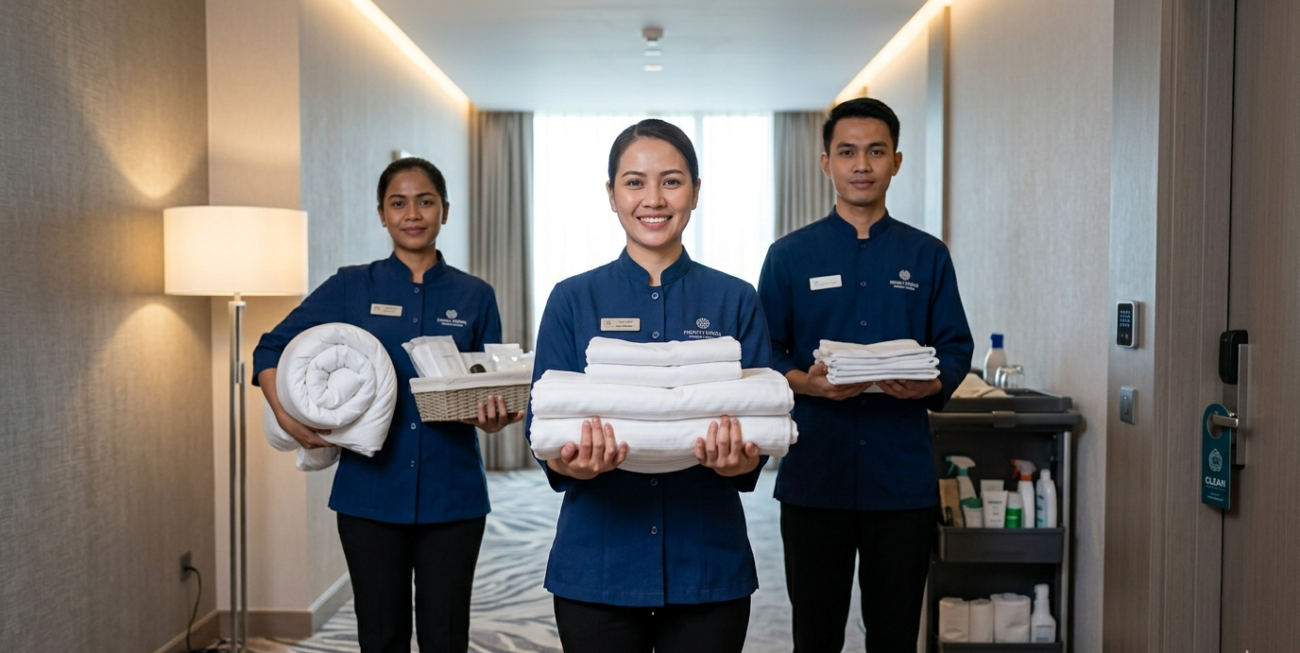
Staff Training
Well-trained housekeeping and laundry staff are essential. Regular training ensures that all team members understand proper hygiene protocols and follow them consistently.
Use of Technology
Modern hotels are increasingly adopting technology such as automated laundry systems and tracking software to improve efficiency and maintain hygiene standards.
Regular Audits
Routine inspections and audits help identify gaps in hygiene practices and ensure compliance with established hotel linen standards.
Sustainable Practices
Eco-friendly detergents and energy-efficient washing methods are becoming part of responsible hotel linen practices, balancing hygiene with environmental sustainability.
Common Challenges in Hotel Textile Hygiene
Despite best efforts, hotels may face challenges such as:
- High turnover of linens leading to wear and tear
- Inconsistent laundering processes
- Staff shortages affecting quality control
Addressing these issues requires a combination of strong management, proper investment, and adherence to established standards.
The Future of Hotel Textile Hygiene
As guest expectations evolve, so do hygiene standards. The future of hotel textile hygiene includes:
- Increased use of antimicrobial fabrics
- Advanced sanitation technologies like ozone cleaning
- Greater emphasis on sustainability and transparency
Hotels that stay ahead of these trends will be better positioned to meet modern demands and maintain a competitive edge.
Conclusion
Hotel textile hygiene is a cornerstone of guest safety and satisfaction. From proper laundering and handling to maintaining high hotel linen quality, every step plays a vital role in delivering a clean and comfortable experience. By adhering to established hospitality linen standards and continuously improving hotel linen practices, hotels can ensure both safety and excellence in service.
Whether it’s standard accommodations or properties offering luxury hotel linen, maintaining strict hygiene protocols is no longer optional—it’s essential for success in the hospitality industry.