In the hospitality industry, linen quality plays a crucial role in shaping guest experiences. From crisp bed sheets to soft, absorbent towels, every detail matters. Yet, many professionals still have recurring hotel linen questions, from material selection to maintenance and customization.
This guide answers the most common questions, helping you make informed decisions that enhance guest satisfaction while maintaining operational efficiency.
What Makes White Hotel Linen the Industry Standard?
One of the most frequently asked hotel linen questions is why white hotel linen dominates the industry.
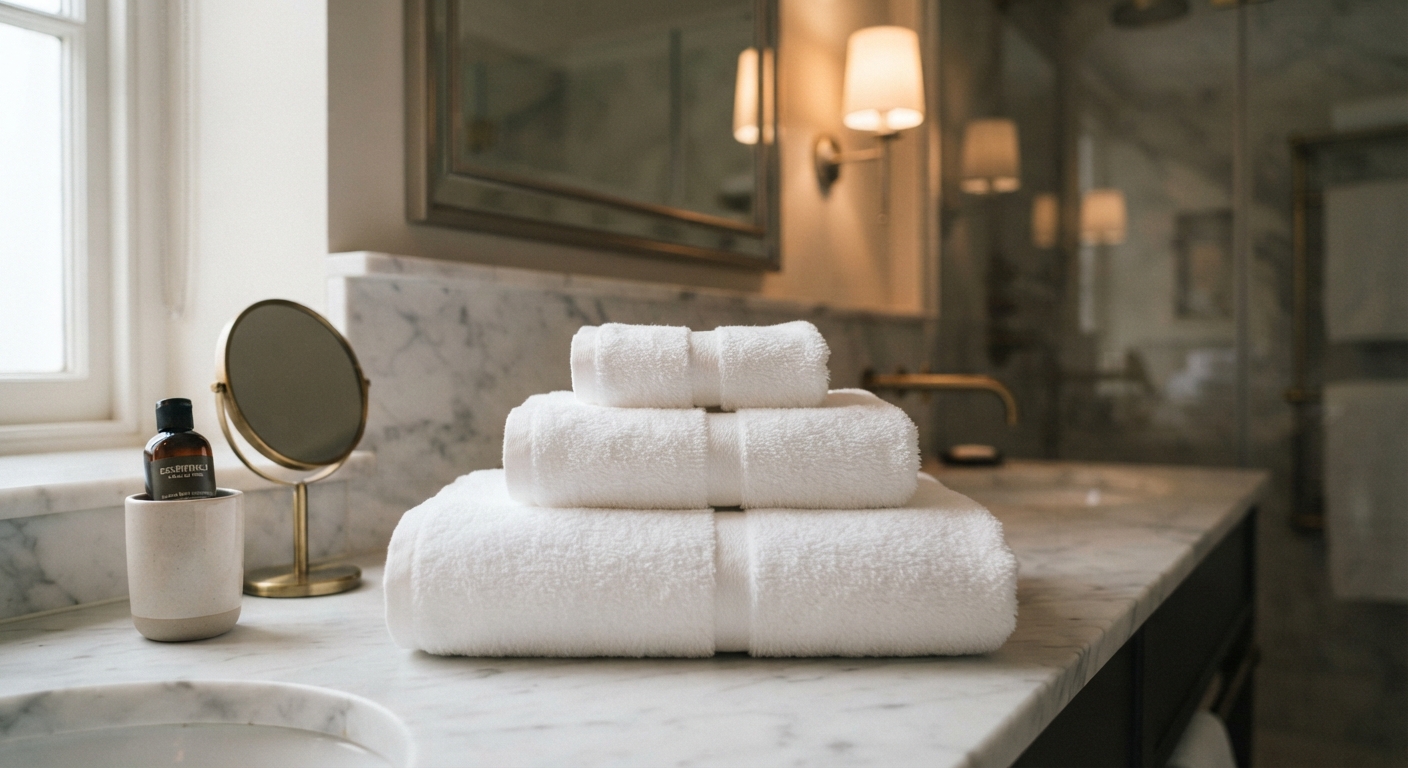
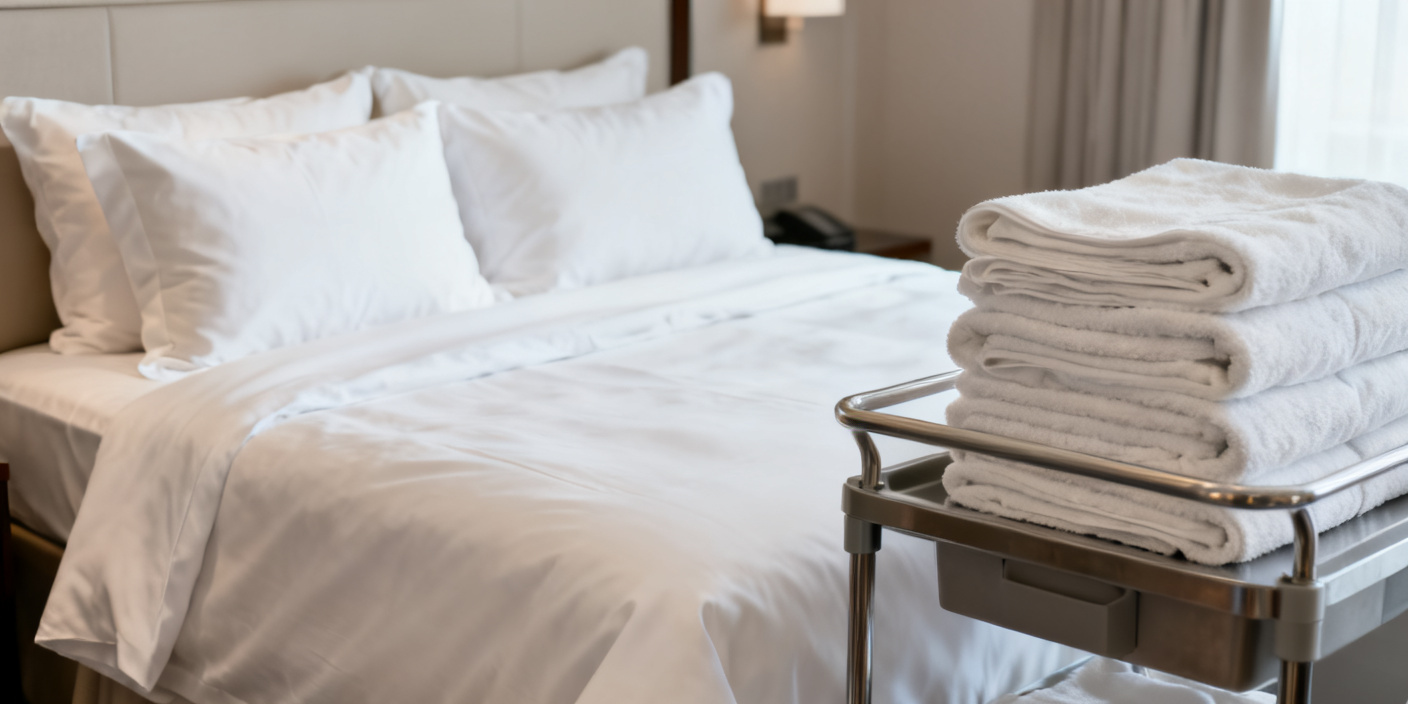
White linens symbolize cleanliness, luxury, and consistency. They make it easier for housekeeping teams to identify stains and ensure proper hygiene. Additionally, white fabrics can be bleached and sanitized at high temperatures without color damage, making them ideal for maintaining strict cleanliness standards.
From a branding perspective, white linen creates a timeless and elegant aesthetic that appeals to a wide range of guests.
How Is Hotel Towel Quality Determined?
When discussing hotel towel quality, several factors come into play:
- GSM (grams per square meter): Higher GSM towels are thicker, softer, and more absorbent.
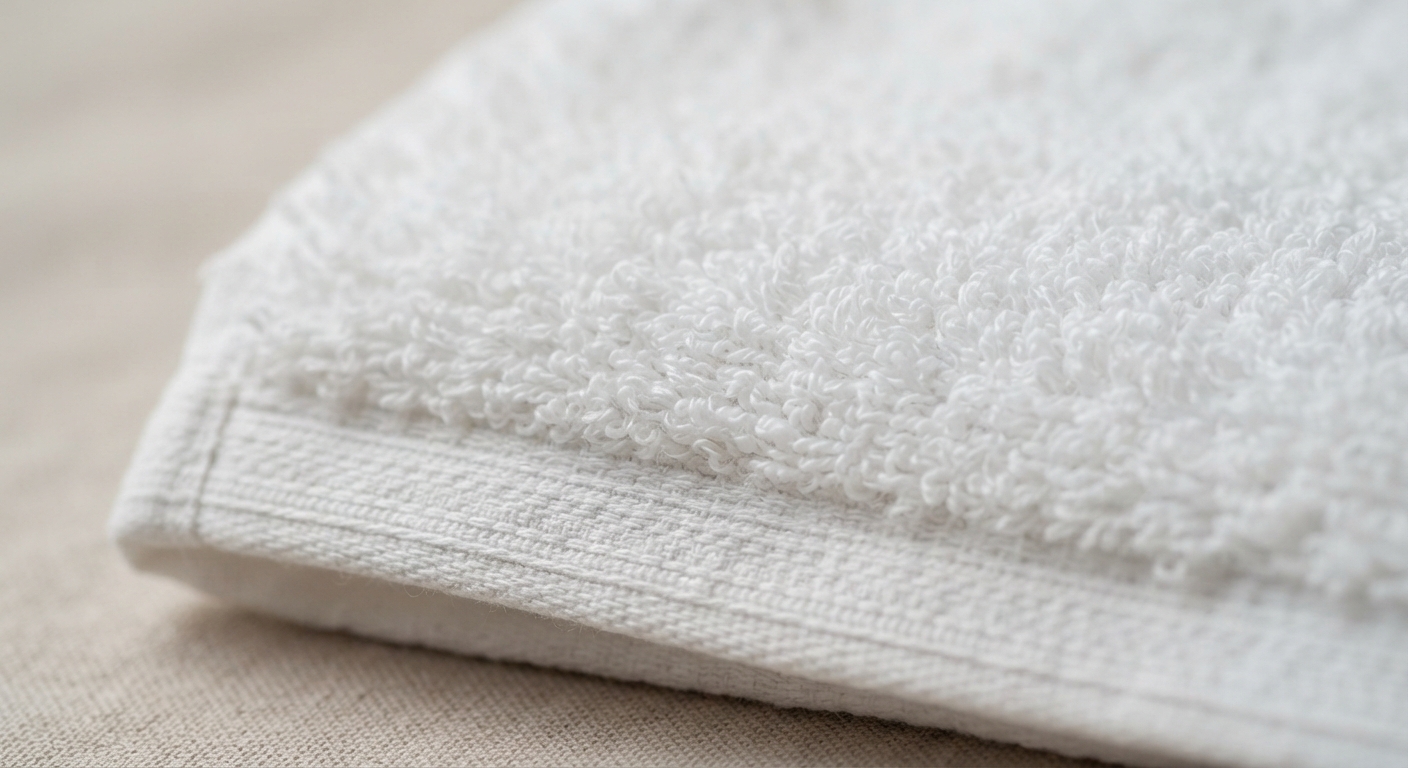
- Material: Cotton, especially long-staple varieties, offers superior softness and durability.
- Construction: Ring-spun cotton and combed cotton towels tend to last longer and feel more luxurious.
Hotels must strike a balance between plushness and practicality. While high-end properties may prioritize ultra-soft towels, budget hotels often opt for durable, quick-drying options that withstand frequent washing.
What Are the Key Hotel Towel Differences?
Understanding hotel towel differences is essential for selecting the right products for your property.
Common towel types include:
- Bath towels: Larger and designed for full-body drying
- Hand towels: Smaller, used near sinks
- Washcloths: Compact and versatile for personal care
- Bath mats: Thicker and designed for floor use
Differences also extend to weight, texture, and edging. For instance, double-stitched edges improve durability, while zero-twist towels offer enhanced softness.
Choosing the right combination ensures both functionality and guest comfort.
How Should Hotel Linen Be Washed and Maintained?
Proper hotel towel care and linen maintenance are critical for longevity and hygiene.
Best practices include:
- Sorting by fabric type: Prevents damage and ensures proper cleaning
- Using the right detergents: Avoid harsh chemicals that degrade fibers
- Maintaining optimal wash temperatures: High enough to sanitize but not damage fabric
- Avoiding over-drying: Excess heat weakens fibers and reduces lifespan
Regular inspections should also be conducted to identify worn-out items. Replacing linens at the right time maintains quality standards and avoids negative guest impressions.
How Often Should Hotel Linens Be Replaced?
This is another common hotel linen question with no one-size-fits-all answer.
Typical replacement timelines:
- Bed sheets and pillowcases: Every 12–18 months
- Towels: Every 6–12 months, depending on usage
- Duvet covers: Every 18–24 months
High-traffic hotels may need more frequent replacements. Monitoring wear and tear is more reliable than sticking strictly to timelines.
What Are the Benefits of Custom Hotel Linen?
Many hospitality professionals are now exploring custom hotel linen as a way to differentiate their brand.
Customization options include:
- Embroidered logos
- Unique patterns or textures
- Tailored sizes for specific bedding
Custom linens enhance brand identity and create a memorable guest experience. However, they should still meet durability and maintenance standards to ensure long-term usability.
How Do Hotels Balance Cost and Quality?
Budget management is a constant challenge in hospitality. One of the most practical hotel linen questions revolves around achieving the right balance between cost and quality.
Strategies include:
- Investing in durable materials that last longer
- Buying in bulk to reduce per-unit cost
- Partnering with reliable suppliers
- Implementing efficient laundry processes to extend lifespan
While cheaper options may seem attractive initially, they often lead to higher replacement costs over time.
What Role Does Linen Play in Guest Satisfaction?
Linens directly impact how guests perceive cleanliness and comfort. Soft sheets and high-quality towels can elevate a guest’s stay, while worn or rough linens can lead to negative reviews.
Key factors that influence guest satisfaction:
- Cleanliness and freshness
- Softness and comfort
- Consistency across rooms
- Visual appeal
In many cases, guests associate linen quality with the overall standard of the hotel.
How Can Hotels Improve Linen Management?
Efficient linen management reduces costs and improves service quality.
Consider implementing:
- Inventory tracking systems
- Par level management (ensuring enough stock without overstocking)
- Regular staff training
- Outsourcing laundry services if in-house facilities are inefficient
A well-managed linen system ensures availability, quality, and cost control.
Final Thoughts
Addressing common hotel linen questions helps hospitality professionals make smarter decisions that benefit both operations and guest experiences. From selecting white hotel linen to understanding hotel towel quality and implementing proper hotel towel care, every detail contributes to overall success.
Investing in the right linens, maintaining them properly, and exploring options like custom hotel linen can significantly elevate your property’s standards. By staying informed and proactive, hotels can ensure comfort, cleanliness, and consistency, three pillars of exceptional hospitality.