

Hotel groups operating across the Middle East — whether across multiple UAE emirates or across neighboring GCC markets — face a sourcing challenge that single-property hotels rarely deal with: maintaining consistent quality, pricing, and supply reliability across a much wider geography. Finding the right hotel bathrobe supplier in the Middle East means evaluating far more than a single quote; it means assessing whether a supplier can genuinely support a multi-market portfolio without quality drifting between properties.
Why Regional Sourcing Is a Different Challenge
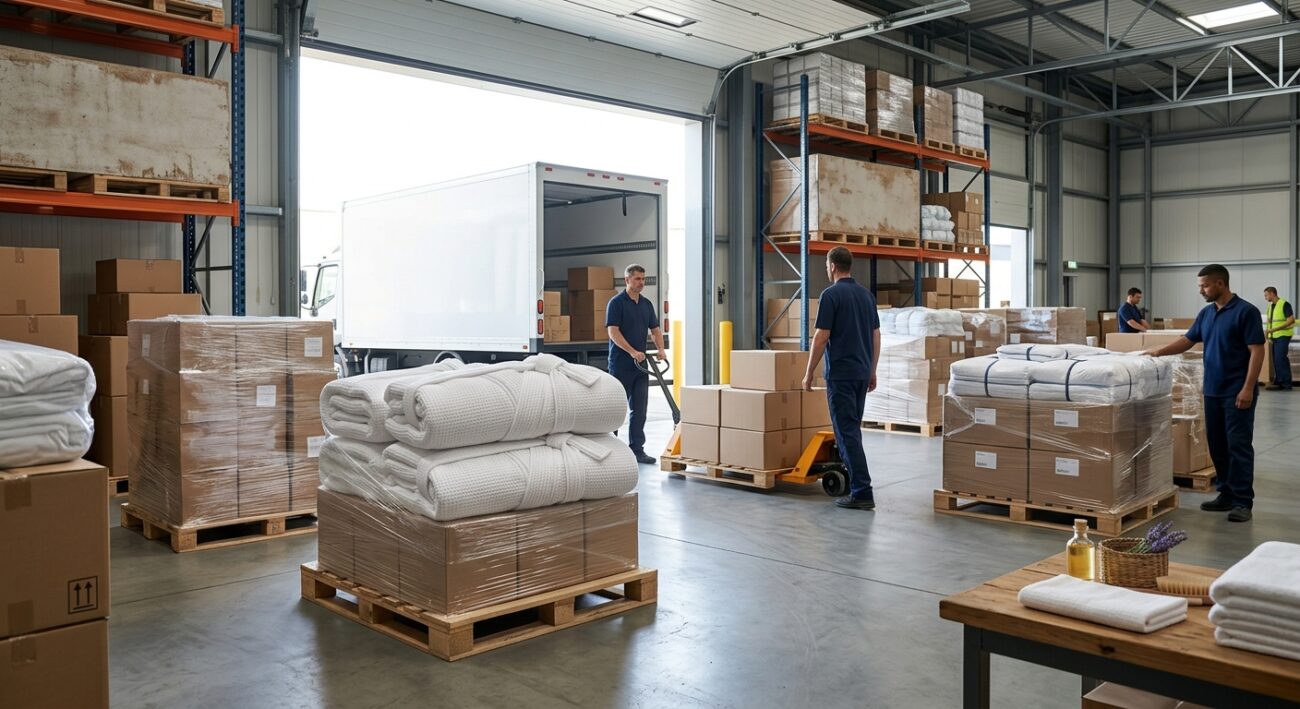
A hotel sourcing bathrobes for one Dubai property can rely on relatively short feedback loops — a bad batch is noticed quickly, and a supplier relationship can be adjusted or replaced with minimal disruption. A hotel group sourcing across the wider Middle East, however, is managing supply across different regulatory environments, freight timelines, and sometimes different currency and payment structures — all while trying to keep the in-room guest experience identical from Riyadh to Dubai to Doha. This is where supplier selection criteria need to shift from “good enough for one property” to “reliable across a portfolio.”
1. Manufacturing Consistency Across Large Orders
The single biggest risk in regional-scale bathrobe sourcing is batch-to-batch inconsistency — where an order placed for one property six months after another doesn’t quite match in weight, color, or feel. When comparing suppliers for Middle East-wide sourcing, ask directly:
- Does the supplier manufacture in-house, or subcontract to different mills depending on order volume?
- How is fabric sourcing standardized across large, geographically spread orders?
- Can they provide swatches or samples from the exact production batch before a large regional order ships?
Our Hotel Bathrobes Supplier UAE guide covers the fabric and GSM fundamentals that should stay consistent regardless of which market a shipment is heading to.
2. Comparing Local UAE Suppliers vs Regional Import Hubs
Hotel groups often default to sourcing bathrobes from whichever country offers the lowest unit price, without factoring in the operational cost of longer freight timelines, customs complexity across multiple GCC borders, and slower response times for reorders or defect replacements. A UAE-based supplier with regional export capability can often out-perform a lower-cost overseas manufacturer once total landed cost and reorder speed are factored in — particularly for hotel groups with a UAE-heavy property footprint supplementing a handful of properties elsewhere in the region.
3. Certification and Compliance Across Markets
Different Middle East markets sometimes carry slightly different import or safety documentation requirements. A supplier experienced in regional-scale hospitality supply should be able to provide consistent OEKO-TEX certification and clear compliance documentation that satisfies procurement requirements across multiple GCC markets, rather than requiring separate documentation negotiations per country.
4. MOQ Structures for Multi-Market Hotel Groups
Hotel chains sourcing across the Middle East should look for suppliers offering combined-volume MOQ structures — where order volume across all properties in the region counts toward better bulk pricing tiers, rather than each country’s properties needing to independently meet a minimum order threshold. This single factor often has the largest impact on per-unit cost for multi-market groups.
5. Logistics: The Real Differentiator
Freight and delivery logistics matter more at a regional scale than they do for a single-city order. Key questions to ask any supplier being considered for Middle East-wide sourcing:
- Can they support staggered, multi-country delivery from a single purchase order?
- What is the realistic delivery timeline to secondary markets outside the UAE, versus within it?
- Do they have experience navigating customs and import documentation for the specific countries in your property portfolio?
A supplier without genuine multi-market logistics experience will often underestimate delivery timelines outside their home market, leading to stockouts at exactly the properties furthest from their base of operations.
6. Maintaining Brand Consistency Region-Wide
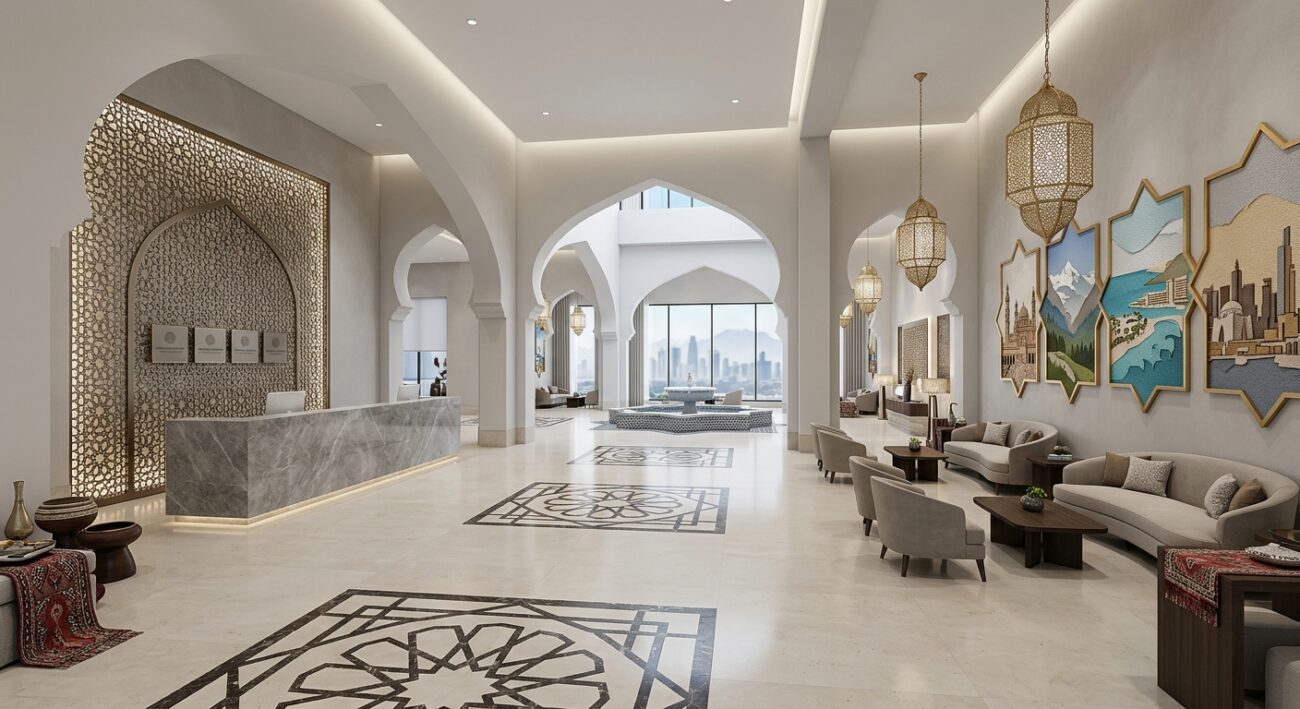
For hotel groups where brand standards apply uniformly across properties, bathrobe weight, color, and embroidery execution need to look identical whether a guest is staying in a Dubai flagship property or a smaller regional outpost. Our article on hotel linen practices across different regions explores why this consistency matters more than many procurement teams initially assume — guests moving between a group’s properties notice inconsistency quickly, and it can quietly undermine brand trust.
How to Structure a Supplier Comparison
When comparing multiple potential suppliers for Middle East-wide bathrobe sourcing, evaluate each on the same criteria side by side:
- Fabric consistency and in-house manufacturing capability
- Combined-volume MOQ and regional pricing structure
- Certification and compliance documentation across relevant markets
- Logistics track record for multi-country delivery
- Reorder and defect-replacement response time by market
RMT Hospitality supplies bathrobes and full hospitality linen programs from a UAE base with export capability across the wider Middle East, giving multi-property hotel groups a single, consistent source for regional-scale procurement.
FAQs
Q1: Why is bathrobe sourcing different for hotel groups operating across multiple Middle East countries?
Multi-market sourcing introduces added complexity around fabric consistency, cross-border logistics, and varying compliance documentation — factors that don’t apply to a single-property, single-market order.
Q2: Is it better to source from a UAE-based supplier or import directly from overseas manufacturers?
A UAE-based supplier with regional export capability often outperforms lower-cost overseas manufacturers once total landed cost, customs complexity, and reorder speed are factored in, especially for UAE-heavy hotel portfolios.
Q3: How can hotel groups avoid batch inconsistency across large regional orders?
Working with a supplier that manufactures in-house (rather than subcontracting to different mills) and requesting swatches from the actual production batch before shipping helps maintain consistency across large, geographically spread orders.
Q4: Do MOQ structures work differently for multi-market hotel groups?
Yes — the best suppliers offer combined-volume MOQ structures, where total order volume across all properties in a region counts toward bulk pricing tiers, rather than requiring each country’s properties to meet MOQ independently.
Q5: What logistics questions should hotel groups ask before choosing a regional supplier?
Ask whether the supplier can support staggered multi-country delivery from one purchase order, what realistic delivery timelines look like for markets outside their home base, and whether they have direct experience with customs documentation for each relevant country.