
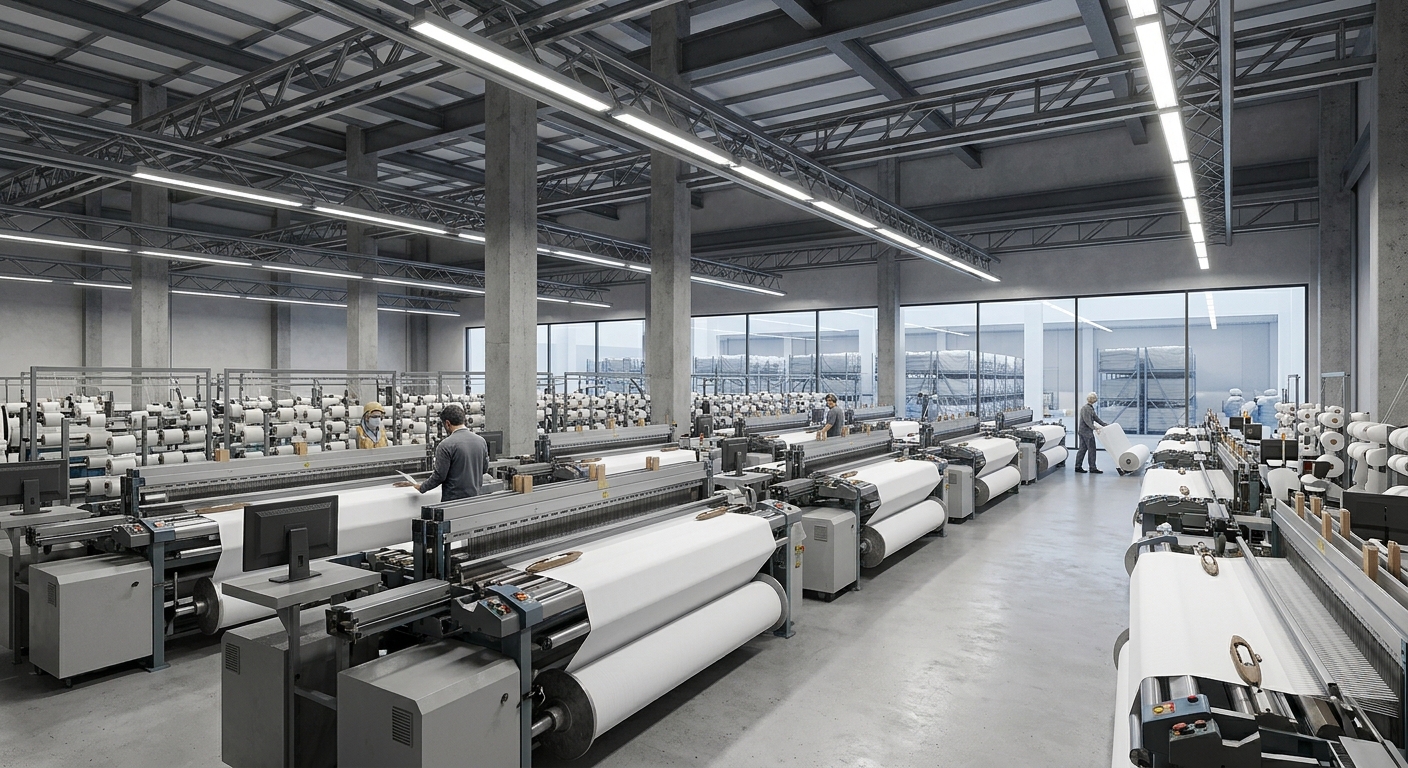
When hotels source bathrobes, face towels, and other linen in bulk, one of the least understood but most consequential decisions is whether they’re buying from an actual hotel linen manufacturer in UAE or from a trading company that simply resells stock sourced from elsewhere. On paper, both can look identical — similar product photos, similar price quotes, similar promises. In practice, the difference shows up in quality control, pricing transparency, and how well the supplier can actually support a bulk buyer’s needs over time.
What’s the Real Difference Between a Manufacturer and a Trader?
A manufacturer controls the production process directly — fabric sourcing, weaving, cutting, stitching, and finishing all happen under one roof or one closely managed supply chain. A trader, by contrast, purchases finished goods from one or more manufacturers (often in different countries or even different factories batch to batch) and resells them, sometimes under their own branding. Neither model is inherently dishonest, but they create very different experiences for a bulk hospitality buyer.
1. Quality Control and Consistency
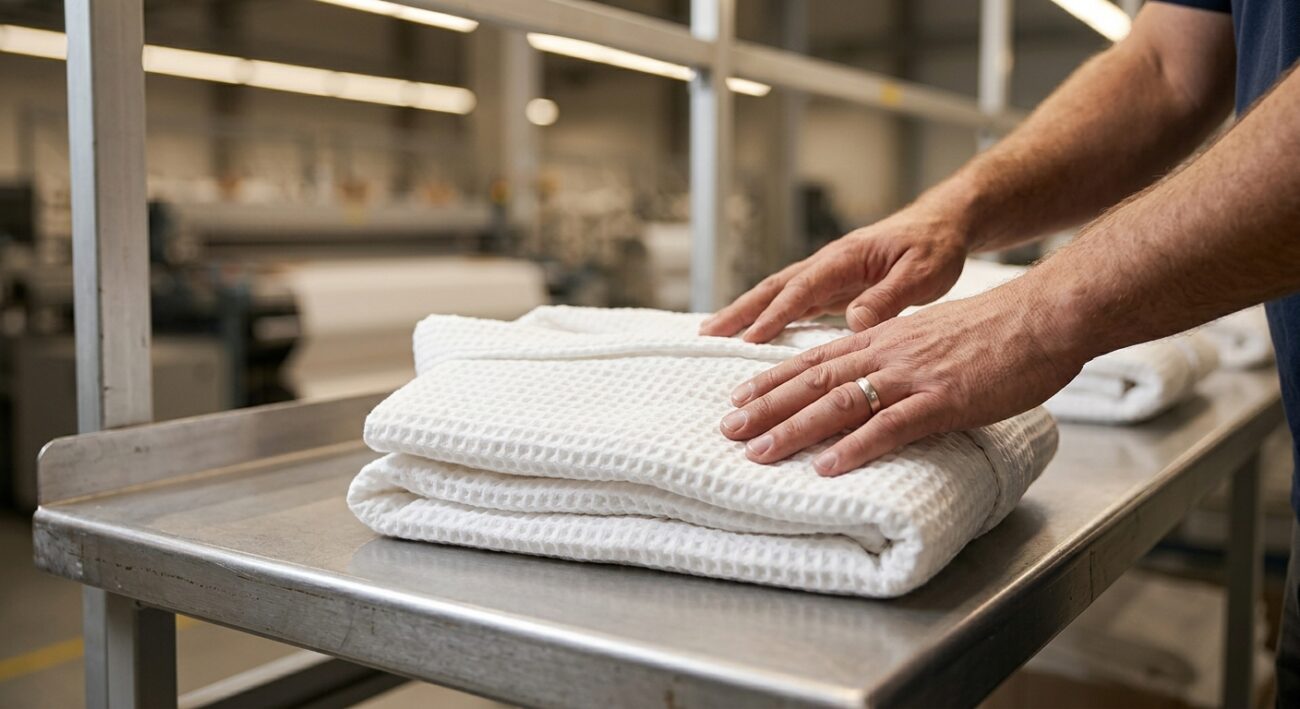
This is where the manufacturer advantage is most direct. A manufacturer can control GSM, weave tightness, dye consistency, and stitching quality at the source, and can make adjustments if a hotel requests a specification change. A trader, working with whatever a given manufacturer produces, has far less influence over these details — and if that manufacturer changes suppliers, raw materials, or production runs, the trader’s stock can shift in quality without the trader necessarily knowing until a hotel complains. Our guide on whether thicker towels always mean better quality explains why understanding the actual production process — not just the finished product spec sheet — matters more than buyers often realize.
2. Pricing Transparency and Margin Stacking
When a hotel buys from a trader, the price typically includes the manufacturer’s margin plus the trader’s markup — and because bulk buyers rarely see the manufacturer’s original pricing, there’s no way to know how much margin is being added at the trading layer. Buying direct from a manufacturer removes this margin stacking, which becomes especially significant at true bulk volume, where even a small per-unit markup compounds into a large total cost difference across thousands of units.
3. Customization and Bulk Order Flexibility
Manufacturers can typically accommodate custom specifications — a specific GSM, a particular embroidery placement on bathrobes, or a specific size range for face towels — because they control the actual production line. Traders are often limited to whatever specification the manufacturer they work with already produces, meaning custom requests either aren’t possible or require the trader to source from a different, unfamiliar manufacturer, introducing new consistency risk.
4. Lead Times and Reorder Reliability
A manufacturer with direct production control can generally give more accurate lead time estimates and has more flexibility to prioritize a reorder for an established bulk client. A trader is dependent on their own supplier’s production schedule and capacity, meaning their reorder timelines can shift unpredictably — particularly during high-demand periods when a manufacturer prioritizes its direct clients over resellers.
5. Accountability When Something Goes Wrong
If a batch arrives with quality issues, a direct manufacturer relationship allows for a much clearer accountability path — the hotel is dealing with the party that actually controls the production process. With a trader, resolving a quality issue often means the trader needs to go back to their own supplier, adding delay and sometimes ambiguity about who is responsible for correcting the problem or issuing a replacement.
6. How to Tell the Difference When Evaluating a Supplier
Bulk buyers can ask direct, simple questions to clarify what they’re actually dealing with:
- Do you own or operate the manufacturing facility, or do you source finished goods from third-party factories?
- Can we visit or request documentation of the production facility?
- If we request a custom GSM or fabric spec, can you adjust production directly, or would this require sourcing from a different factory?
- Who is responsible for quality issues — you directly, or an upstream supplier?
A genuine manufacturer will answer these directly and transparently; a trader may be vague or redirect the conversation toward the finished product rather than the production process itself.
Why This Matters More at Bulk Volume
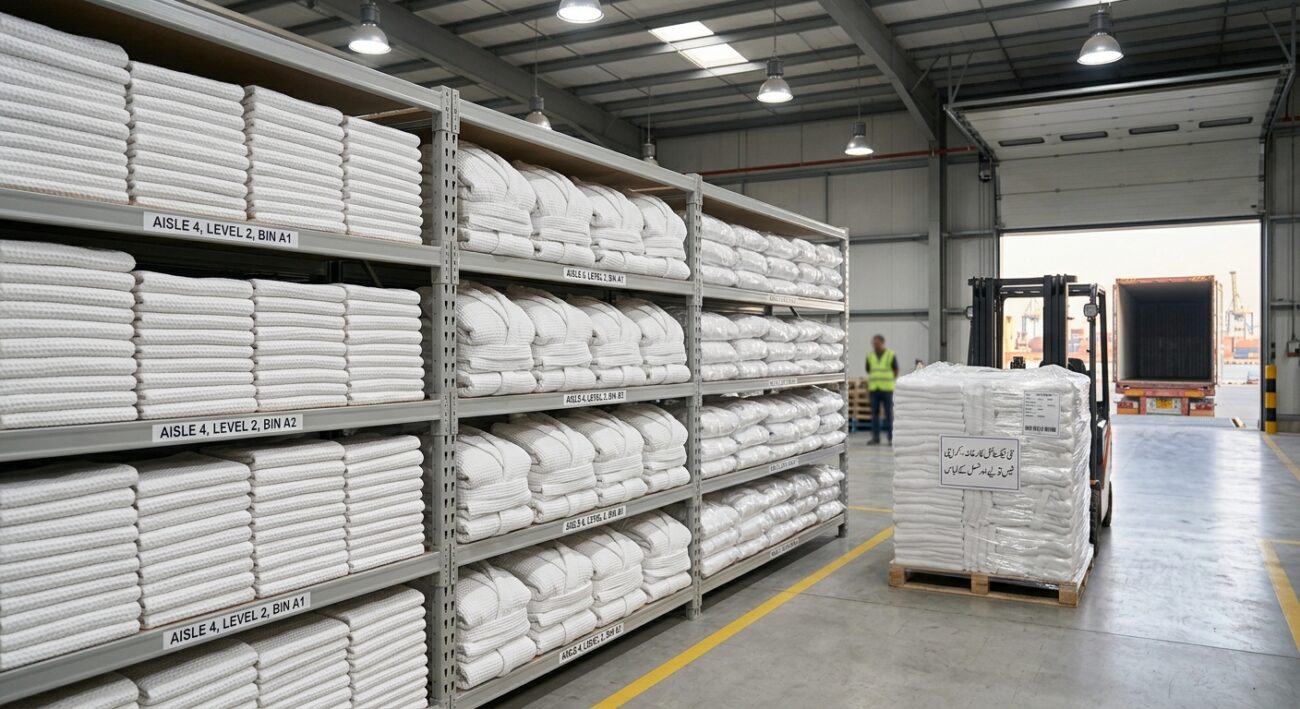
For a single small order, the manufacturer-vs-trader distinction matters less — the cost and quality difference on a handful of units is relatively minor. At true bulk volume — the kind luxury hotels, hotel chains, and multi-property groups order at — the compounding effect of margin stacking, inconsistent quality control, and unpredictable reorder timelines becomes a meaningful operational and financial factor, not just a marginal one.
RMT Hospitality operates as a direct hospitality linen manufacturer based in the UAE, giving bulk buyers direct control over fabric specification, consistent quality across large orders, and clear accountability without an intermediary trading layer.
FAQs
Q1: How can I tell if a supplier is a manufacturer or a trader?
Ask directly whether they own or operate the production facility, whether you can request documentation or a visit, and whether they can adjust fabric specifications directly — vague or redirected answers often indicate a trading model rather than direct manufacturing.
Q2: Is buying from a trader always a bad idea?
Not necessarily for small orders, but at bulk hospitality volume, margin stacking, inconsistent quality control, and unpredictable reorder timelines become more significant, making a direct manufacturer relationship generally more reliable.
Q3: Do manufacturers offer better pricing than traders?
Usually yes at bulk volume, since buying direct removes the additional markup a trader adds on top of the manufacturer’s own margin — a difference that compounds significantly across large orders.
Q4: Can manufacturers accommodate custom bathrobe or towel specifications more easily than traders?
Yes — manufacturers control the actual production line and can adjust GSM, fabric, or embroidery placement directly, while traders are often limited to whatever specification their own supplier already produces.
Q5: Who is responsible for quality issues when buying from a trader versus a manufacturer?
With a direct manufacturer, accountability is clear since they control production. With a trader, resolving quality issues often requires them to go back to their own upstream supplier, which can add delay and ambiguity.