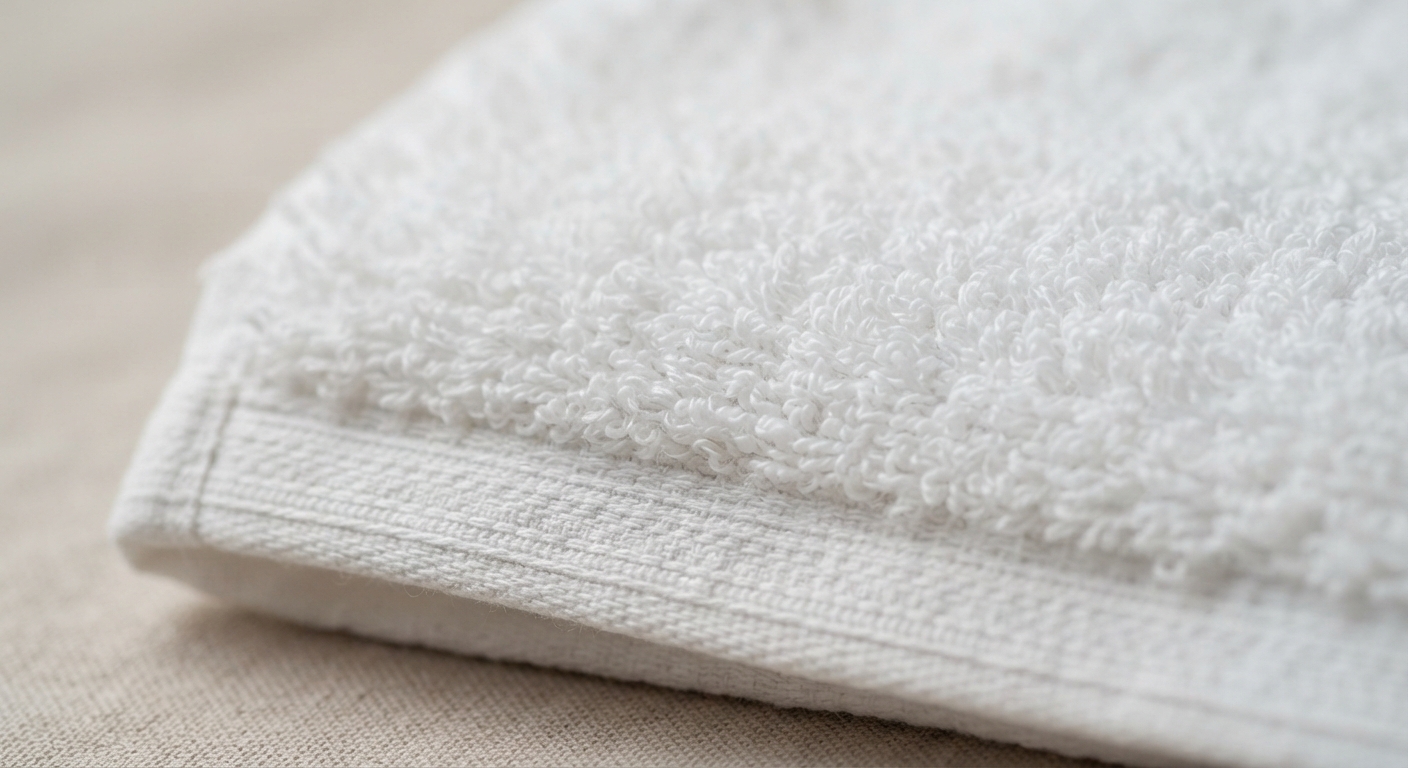

Hotel linen plays a crucial role in shaping guest experiences, influencing comfort, hygiene, and overall satisfaction. While the core goal of providing clean and comfortable linens remains universal, hotel linen practices can vary significantly across different regions due to cultural preferences, climate conditions, economic factors, and local regulations. Understanding these variations offers valuable insights into global hospitality linen standards and helps hoteliers deliver consistent quality while respecting regional expectations.

The Importance of Hotel Linen Practices
At the heart of every successful hotel operation lies a strong focus on hotel linen practices. From bed sheets and pillowcases to towels and bathrobes, linens directly impact a guest’s perception of cleanliness and luxury. Hotels worldwide aim to maintain high hotel textile hygiene standards, but how they achieve this can differ based on regional influences.
Consistency in linen quality, proper laundering techniques, and efficient replacement cycles are essential elements that define both hotel linen standards and overall service quality.
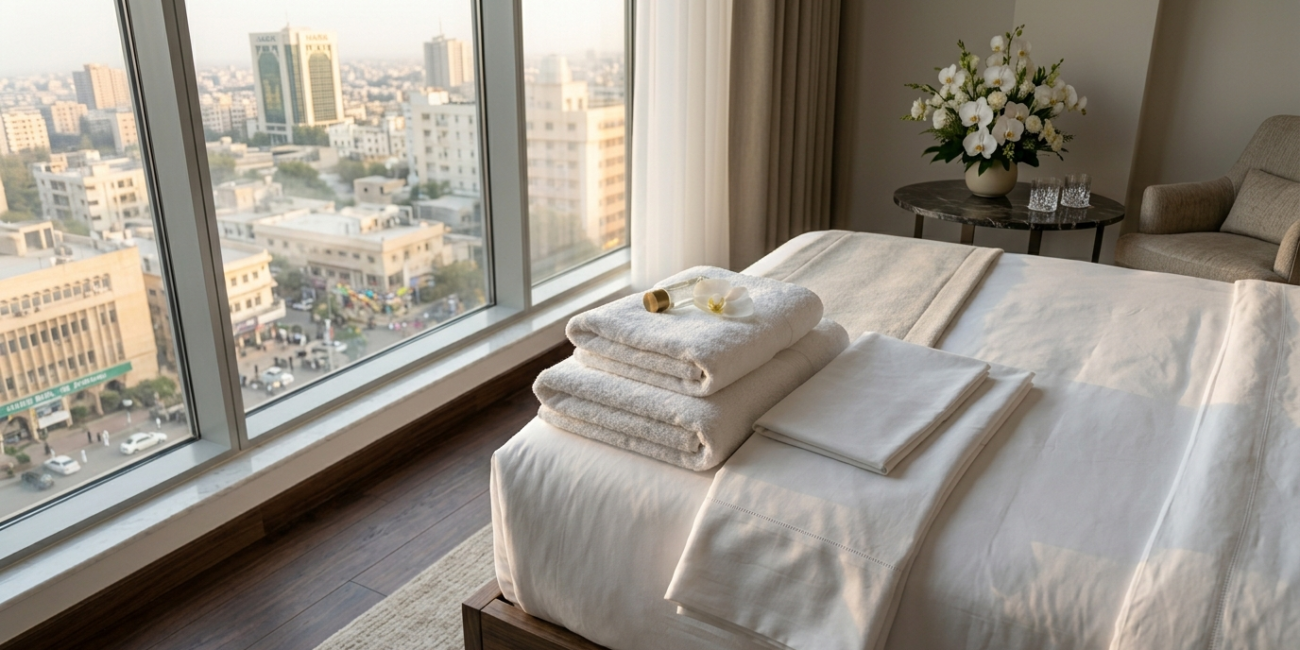
Regional Differences in Hotel Linen Practices
North America: Efficiency and Standardization
Hotels in North America emphasize efficiency, consistency, and sustainability. Many properties follow strict hospitality linen standards that prioritize durability and cost-effectiveness without compromising comfort.
- Frequent linen replacement schedules
- Use of industrial-grade laundering systems
- Emphasis on sustainability (linen reuse programs)
- Standardized white linens for easy quality control
The focus on uniformity ensures consistent hotel linen quality across chains, making guest expectations predictable regardless of location.
Europe: Elegance and Tradition
European hotels often blend tradition with modern practices, placing strong emphasis on aesthetics and tactile comfort. In many regions, especially in boutique and luxury properties, linens are carefully selected to reflect heritage and style.
- Use of high-thread-count fabrics
- Preference for natural materials like cotton and linen
- Attention to presentation and detailing
- Balanced approach to sustainability
European luxury hotel linen is often associated with softness, durability, and timeless elegance, contributing to a refined guest experience.
Asia: Precision and Hospitality Excellence
Asia is known for its meticulous attention to detail and high standards of cleanliness. Hotel linen practices in this region often exceed global expectations, particularly in countries known for hospitality excellence.
- Daily linen changes in premium hotels
- Advanced laundering technologies
- Strict hygiene protocols
- Focus on guest comfort and freshness
The emphasis on immaculate presentation and superior hotel textile hygiene reflects the region’s commitment to delivering exceptional service.
Middle East: Luxury and Opulence
Hotels in the Middle East are synonymous with luxury, and their linen practices reflect this reputation. Premium materials and impeccable presentation are central to their operations.
- Use of ultra-soft, high-thread-count linens
- Frequent replacement and meticulous care
- Integration of luxury elements like embroidered fabrics
- Strong focus on guest indulgence
Here, luxury hotel linen is not just about comfort, it’s a key part of the overall brand experience.
Africa and Latin America: Practicality Meets Comfort
In emerging hospitality markets across Africa and Latin America, hotel linen practices often balance practicality with guest comfort. Climate plays a significant role in shaping these practices.
- Lightweight, breathable fabrics for warmer climates
- Focus on durability and cost-efficiency
- Gradual adoption of global hotel linen standards
- Increasing emphasis on hygiene and sustainability
As tourism grows, many hotels in these regions are upgrading their linen strategies to align with international expectations.
Factors Influencing Regional Linen Practices
Climate and Environment
Climate heavily influences fabric choices and laundering frequency. Warmer regions often prefer lighter materials and more frequent washing, while cooler climates may prioritize warmth and layering.
Cultural Preferences
Cultural norms impact guest expectations. For example, some regions expect daily linen changes, while others support eco-friendly reuse practices.
Economic Considerations
Budget constraints and operational costs affect linen procurement and maintenance. Luxury hotels invest heavily in premium linens, while budget properties focus on durability and efficiency.
Regulations and Standards
Local health and safety regulations play a crucial role in shaping hotel textile hygiene practices. Compliance ensures guest safety and protects hotel reputations.
Sustainability in Global Linen Practices

Sustainability is becoming a universal priority across the hospitality industry. Many hotels are adopting eco-friendly hotel linen practices to reduce water, energy, and chemical usage.
Key sustainable initiatives include:
- Linen reuse programs
- Energy-efficient laundering systems
- Use of organic or eco-certified fabrics
- Reduced chemical detergents
These practices not only support environmental goals but also appeal to environmentally conscious travelers.
Maintaining Consistency Across Regions

For international hotel brands, maintaining consistent hotel linen quality across multiple regions can be challenging. However, successful brands achieve this by:
- Establishing global hospitality linen standards
- Training staff on standardized procedures
- Partnering with reliable linen suppliers
- Conducting regular quality audits
Balancing global consistency with regional adaptation ensures that guests receive a familiar level of comfort while experiencing local nuances.
The Future of Hotel Linen Practices

As the hospitality industry evolves, hotel linen practices are expected to become more innovative and guest-focused. Emerging trends include:
- Smart textiles with antimicrobial properties
- Automated laundry systems for improved efficiency
- Personalized linen preferences for guests
- Increased transparency in sustainability efforts
Hotels that invest in modern linen strategies will be better positioned to meet rising guest expectations and maintain competitive advantage.
Conclusion
Understanding hotel linen practices across different regions reveals how diverse factors shape the guest experience. While cultural preferences, climate, and economic conditions influence these practices, the ultimate goal remains the same: delivering comfort, cleanliness, and quality.
By aligning with global hotel linen standards while adapting to regional needs, hotels can enhance their reputation, improve guest satisfaction, and ensure long-term success. Whether it’s the elegance of European linens, the precision of Asian hospitality, or the luxury of Middle Eastern hotels, each region brings its unique approach to linen management, making it a fascinating and essential aspect of the global hospitality industry.