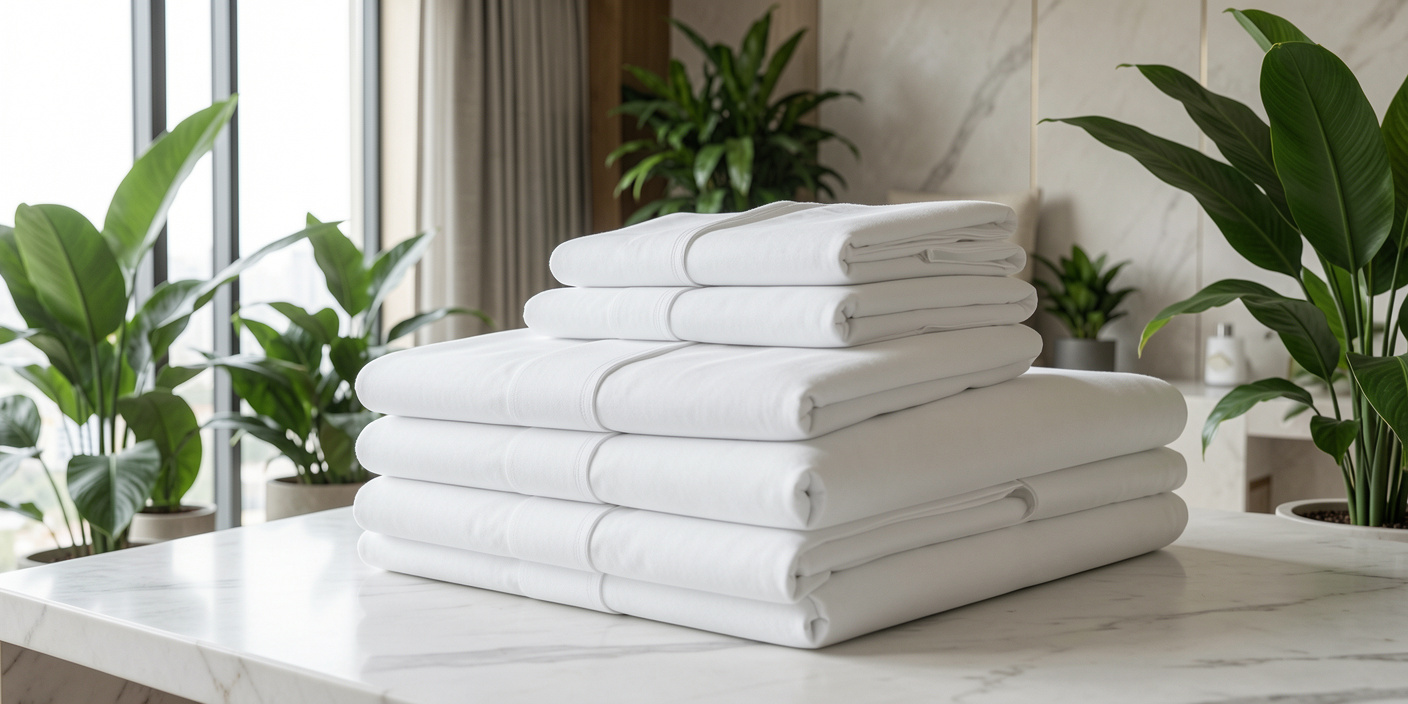
In today’s hospitality industry, sustainability is no longer just a trend, it’s a necessity. Hotels around the world are adopting eco-conscious practices to reduce their environmental footprint, and one of the most impactful changes lies in their linen choices. Sustainable hotel linen plays a crucial role in minimizing water and energy consumption while maintaining comfort and quality for guests.
This article explores how switching to eco-friendly linens can significantly reduce resource usage and why it’s a smart investment for modern hospitality businesses.

What Is Sustainable Hotel Linen?
Sustainable hotel linen refers to bedding, towels, and textiles made using environmentally responsible materials and processes. These linens are designed to minimize environmental impact throughout their lifecycle, from production to usage and disposal.
Common characteristics include:
- Made from organic hotel cotton or other eco-friendly fibers
- Produced using low-water and low-energy manufacturing processes
- Designed for durability and longer lifespan
- Free from harmful chemicals
Hotels that adopt sustainable hotel textiles not only reduce their environmental impact but also appeal to eco-conscious travelers.
The Water Footprint of Traditional Linen
Traditional cotton production is highly water-intensive. It can take thousands of liters of water to produce a single set of conventional hotel sheets. Additionally, frequent washing of linens in hotels further increases water consumption.
How Sustainable Linen Reduces Water Usage

1. Organic Cotton Requires Less Water
Using organic hotel cotton significantly reduces water usage compared to conventional cotton farming. Organic farming methods rely on natural rainfall and improved soil health, which retains moisture more effectively.
2. Efficient Manufacturing Processes
Sustainable linen manufacturers adopt water-saving technologies such as:
- Closed-loop water systems
- Eco-friendly dyeing techniques
- Reduced chemical processing
These innovations lower the total water footprint during production.
3. Linen Reuse Programs
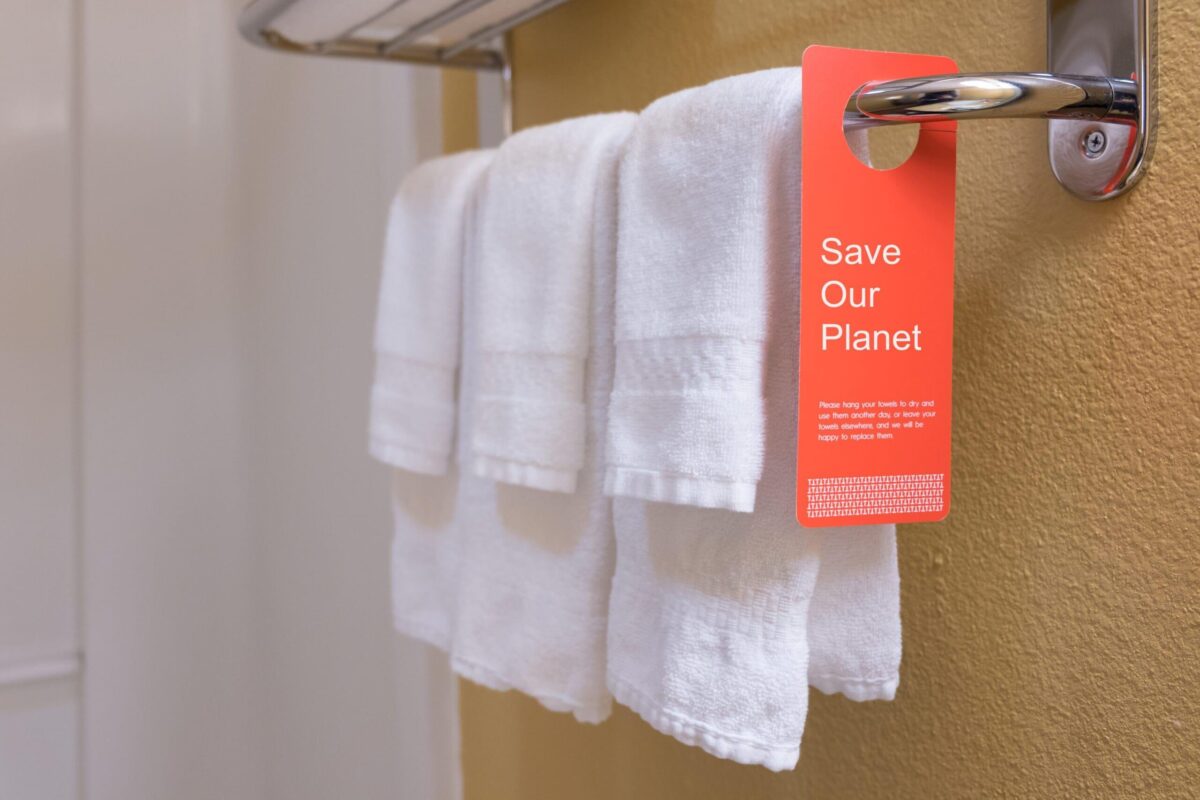
Implementing hotel linen reuse programs encourages guests to reuse towels and sheets, reducing the frequency of washing. This simple initiative can cut water usage by up to 30–50% in many hotels.
Energy Consumption in Hotel Linen Operations

Energy use in hotels is heavily tied to laundry operations. Washing, drying, and ironing linens consume significant electricity and fuel daily.
How Sustainable Linen Reduces Energy Usage
1. Faster Drying Times
Eco-friendly fabrics used in eco hotel linen are often lighter and more breathable. This means:
- Reduced drying times
- Lower energy consumption in dryers
2. Lower Washing Temperatures
High-quality green hotel linen is designed to maintain cleanliness even at lower washing temperatures. This reduces the energy required to heat water during laundry cycles.
3. Durability and Longevity
Sustainable linens are more durable, meaning they:
- Require fewer replacements
- Reduce the need for frequent manufacturing and transportation
This indirectly saves energy across the supply chain.
The Role of Sustainable Hotel Textiles in Eco-Friendly Hospitality
Adopting sustainable hotel textiles is part of a broader commitment to sustainability in hospitality. Hotels that prioritize eco-friendly materials often integrate them into larger environmental strategies.
Benefits Beyond Resource Savings
1. Cost Efficiency Over Time
While sustainable linen may have a higher upfront cost, it offers long-term savings through:
- Reduced water and energy bills
- Lower replacement frequency
- Decreased detergent usage
2. Improved Guest Perception
Modern travelers prefer environmentally responsible accommodations. Using eco hotel linen enhances brand image and builds trust with guests.
3. Regulatory Compliance
Many regions are introducing stricter environmental regulations. Sustainable practices help hotels stay compliant and avoid penalties.
Combining Sustainable Linen with Smart Practices
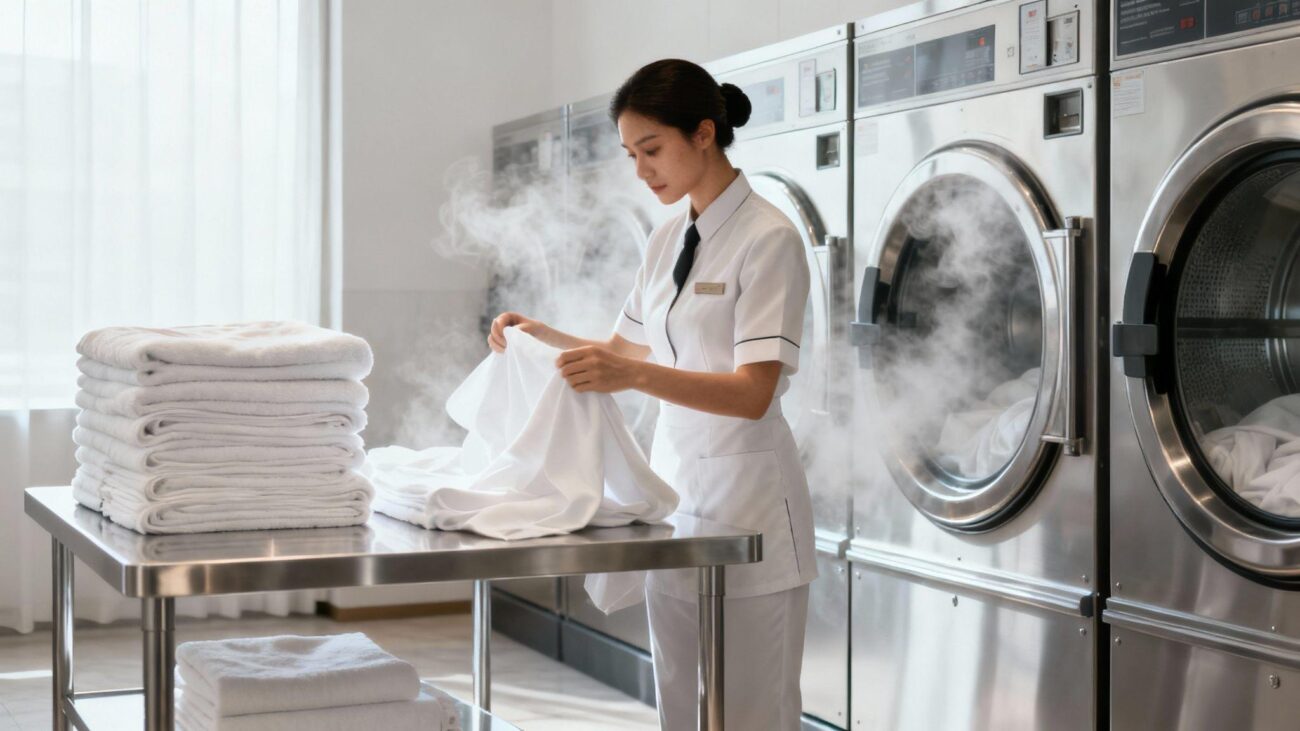
To maximize the benefits of sustainable hotel linen, hotels should combine it with operational improvements.
Best Practices for Hotels
1. Implement Linen Reuse Programs
Encourage guests to participate in hotel linen reuse initiatives through clear communication and incentives.
2. Optimize Laundry Operations
- Use energy-efficient washing machines
- Schedule full loads to reduce cycles
- Invest in heat recovery systems
3. Choose Certified Suppliers
Work with suppliers that provide certified organic hotel cotton and follow sustainable manufacturing standards.
4. Monitor and Track Usage
Track water and energy consumption regularly to identify opportunities for improvement.
Why Sustainable Linen Is the Future of Hospitality
The shift toward green hotel linen is not just about environmental responsibility, it’s about operational efficiency and long-term profitability. As the hospitality industry evolves, sustainability will continue to shape guest expectations and business practices.
Hotels that adopt sustainable hotel textiles today position themselves as leaders in eco-conscious hospitality while benefiting from reduced resource consumption and operational costs.

Conclusion
Switching to sustainable hotel linen is one of the most effective ways for hotels to reduce water and energy usage. From eco-friendly production methods to efficient laundry processes and reuse programs, sustainable linens offer a comprehensive solution for environmentally responsible operations.
By integrating eco hotel linen, organic hotel cotton, and hotel linen reuse strategies, hotels can significantly lower their environmental impact while enhancing guest satisfaction and profitability.
Sustainability is no longer optional, it’s a competitive advantage. And it starts with something as simple, yet impactful, as your linen.