Sustainability has become a top priority in the hospitality industry, and one of the most effective yet simple initiatives hotels adopt is the hotel linen reuse program. These programs encourage guests to reuse towels, sheets, and other linens during their stay, reducing environmental impact while maintaining comfort and hygiene standards.
In this guide, we’ll break down how hotel linen reuse programs work, why they matter, and how they contribute to broader sustainability goals like eco hotel linen, green hotel linen, and sustainable hotel textiles.

What Is a Hotel Linen Reuse Program?
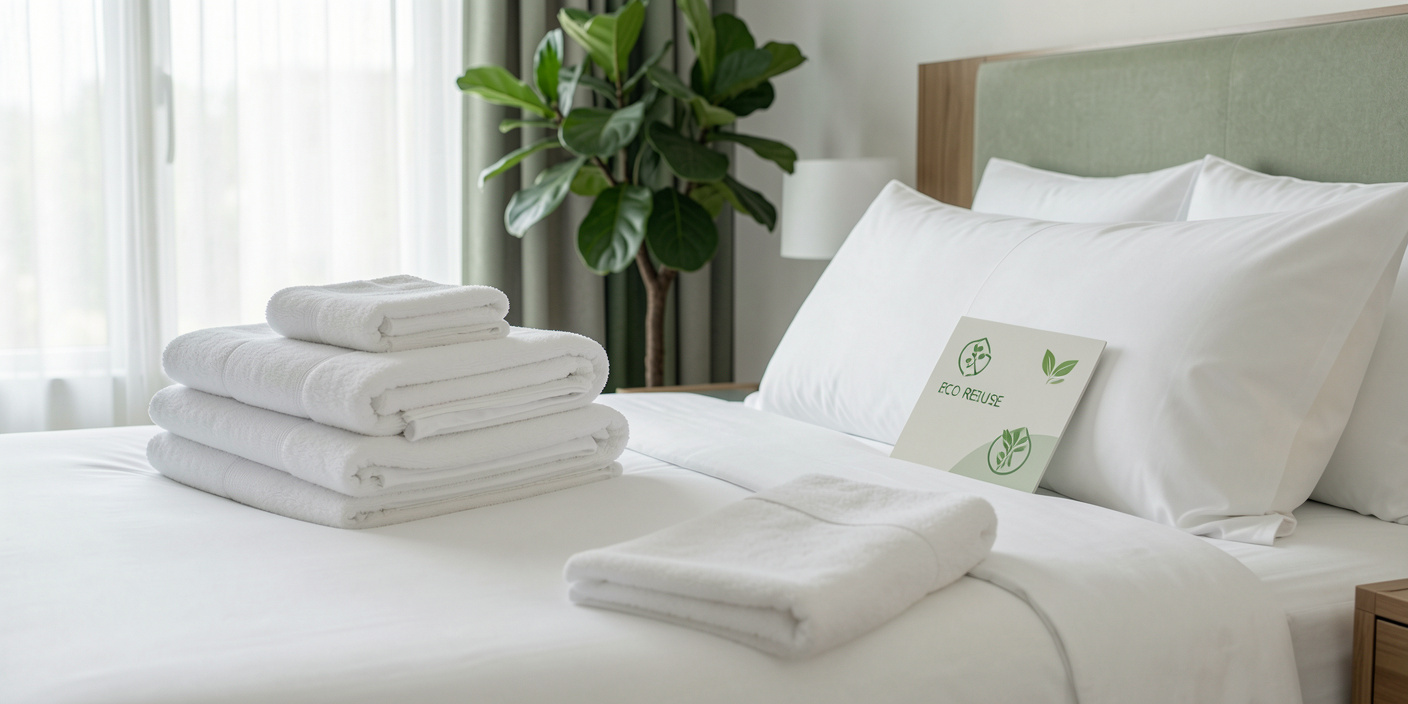
A hotel linen reuse program is a sustainability initiative where guests are given the option to reuse their towels, bed sheets, and other linens instead of having them washed daily. Typically, hotels communicate this through in-room signage or digital messages, allowing guests to opt in or out easily.
For example:
- Towels hung up = reuse
- Towels on the floor = replace
This simple system helps reduce unnecessary laundering without compromising guest experience.
Why Hotel Linen Reuse Programs Matter

Environmental Impact
Laundry operations in hotels consume large amounts of:
- Water
- Energy
- Detergents and chemicals
By implementing hotel linen reuse, properties significantly reduce resource consumption. This directly supports the shift toward eco hotel linen and environmentally responsible operations.
Cost Savings for Hotels
Reducing laundry frequency lowers:
- Utility bills (water and electricity)
- Labor costs
- Wear and tear on linens
These savings allow hotels to invest in higher-quality sustainable hotel linen or improve other guest services.
Extended Linen Lifespan
Frequent washing shortens the lifespan of fabrics. Linen reuse programs help:
- Maintain fabric quality longer
- Reduce replacement frequency
- Minimize textile waste
This aligns with the principles of sustainable hotel textiles, promoting durability and reduced environmental footprint.
How Linen Reuse Supports Sustainable Hospitality
1. Reducing Water Consumption
Traditional hotel operations can use hundreds of liters of water per room per day just for laundry. Linen reuse programs dramatically cut this usage, making them a cornerstone of green hotel linen strategies.
2. Lowering Energy Use
Laundry requires heating water, drying, and ironing, processes that consume significant energy. By minimizing washing cycles, hotels reduce their carbon footprint and move closer to using eco hotel linen systems.
3. Minimizing Chemical Use
Detergents and fabric softeners can harm aquatic ecosystems when discharged. Fewer washes mean fewer chemicals entering the environment, supporting cleaner and greener operations.
The Role of Sustainable Materials
While hotel linen reuse focuses on reducing washing frequency, pairing it with sustainable materials amplifies the impact.
Organic Hotel Cotton
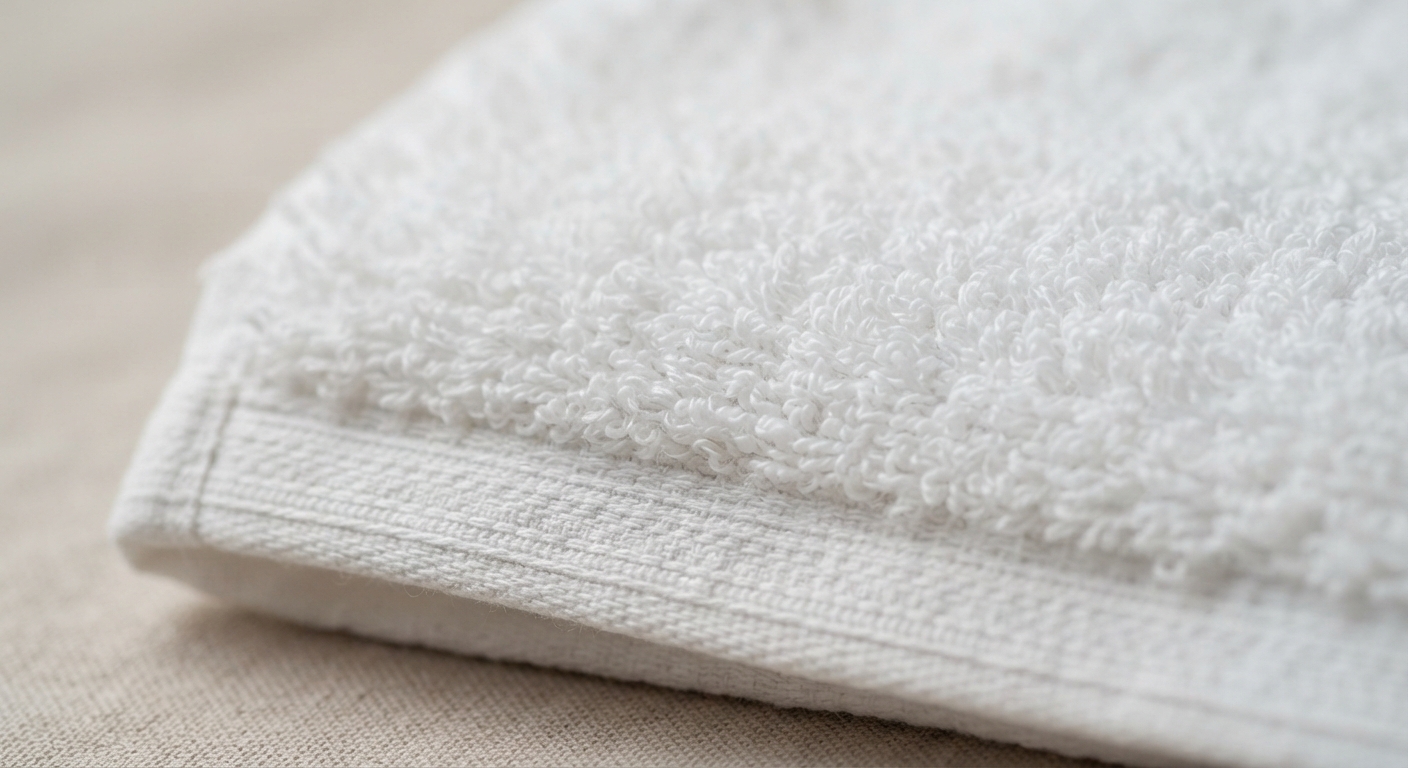
Using organic hotel cotton ensures that linens are produced without harmful pesticides or synthetic chemicals. Benefits include:
- Better for guest skin
- Lower environmental impact
- Improved biodegradability
Sustainable Hotel Linen
High-quality sustainable hotel linen is designed for durability, requiring fewer replacements over time. This complements reuse programs by ensuring linens remain in excellent condition even with reduced washing.
Sustainable Hotel Textiles
Broader adoption of sustainable hotel textiles includes:
- Linen blends with lower environmental impact
- Recycled fibers
- Certified eco-friendly production processes
Together, these materials enhance the effectiveness of reuse programs.
Guest Participation: The Key to Success
A hotel linen reuse program only works if guests participate. Hotels must communicate clearly and effectively to encourage involvement.
Best Practices for Hotels
- Clear Signage: Simple instructions in rooms and bathrooms
- Positive Messaging: Emphasize environmental benefits
- Transparency: Share impact statistics (e.g., water saved)
- Optional Participation: Never make guests feel forced
Guest Benefits
Guests who participate in linen reuse programs:
- Contribute to sustainability efforts
- Enjoy a guilt-free stay
- Support environmentally responsible businesses
Challenges and Misconceptions
Concern About Hygiene
Some guests worry that reuse may compromise cleanliness. However:
- Linens are always changed between guests
- Reuse applies only during the same guest’s stay
- Hotels maintain strict hygiene standards
Perception of Cost-Cutting
While reuse programs do reduce costs, their primary goal is environmental sustainability. Hotels that combine reuse with green hotel linen and eco hotel linen initiatives demonstrate genuine commitment rather than simple cost-saving.
How Hotels Can Improve Linen Reuse Programs
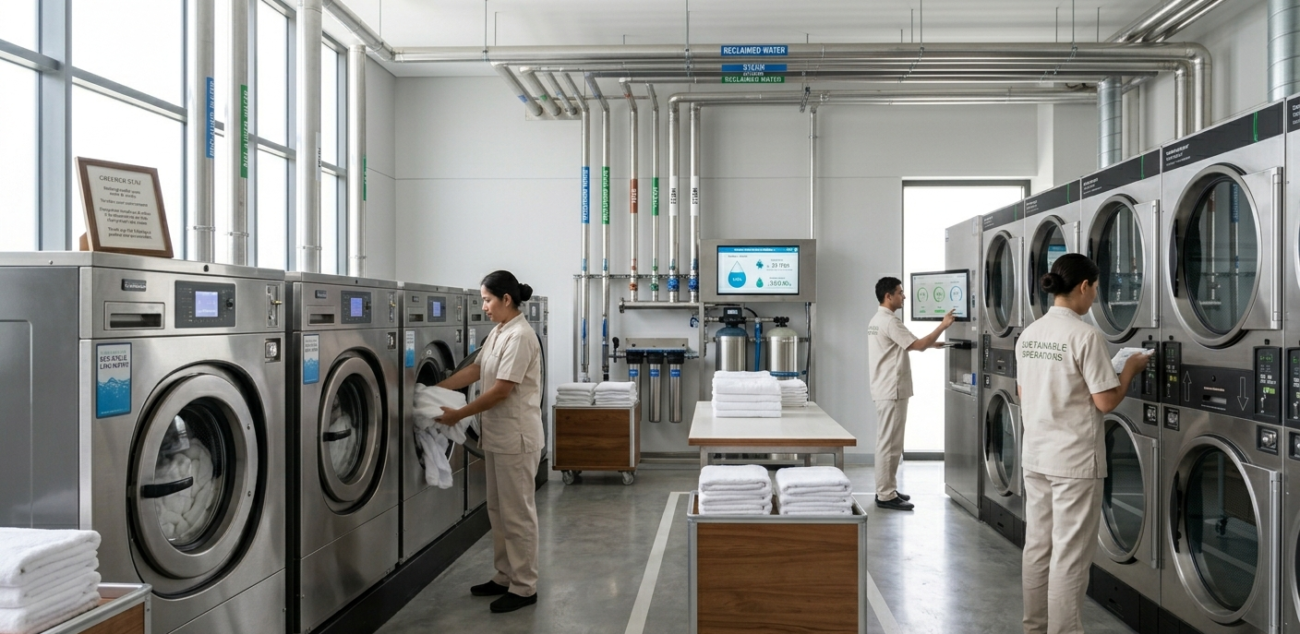
To maximize effectiveness, hotels should integrate reuse programs into a broader sustainability strategy.
Combine with Eco-Friendly Practices
- Use energy-efficient laundry systems
- Switch to biodegradable detergents
- Invest in sustainable hotel textiles
Track and Share Results
Hotels can build trust by sharing metrics such as:
- Water saved per year
- Energy reductions
- Carbon footprint improvements
Train Staff
Staff should understand the importance of hotel linen reuse and ensure:
- Proper communication with guests
- Consistent implementation
- High service standards
The Future of Hotel Linen Reuse
As sustainability becomes a key factor in travel decisions, hotel linen reuse programs will continue to evolve. Future trends include:
- Smart systems that track linen usage
- Personalized guest preferences via apps
- Integration with broader sustainability certifications
Hotels that adopt these innovations alongside eco hotel linen, organic hotel cotton, and sustainable hotel linen will stand out in a competitive market.
Conclusion
A hotel linen reuse program is a simple yet powerful way for hotels to reduce their environmental impact, cut costs, and promote sustainable practices. When combined with green hotel linen, organic hotel cotton, and sustainable hotel textiles, these programs become a key pillar of eco-friendly hospitality.
By encouraging guest participation and investing in sustainable materials, hotels can create a win-win scenario, delivering comfort while protecting the planet.