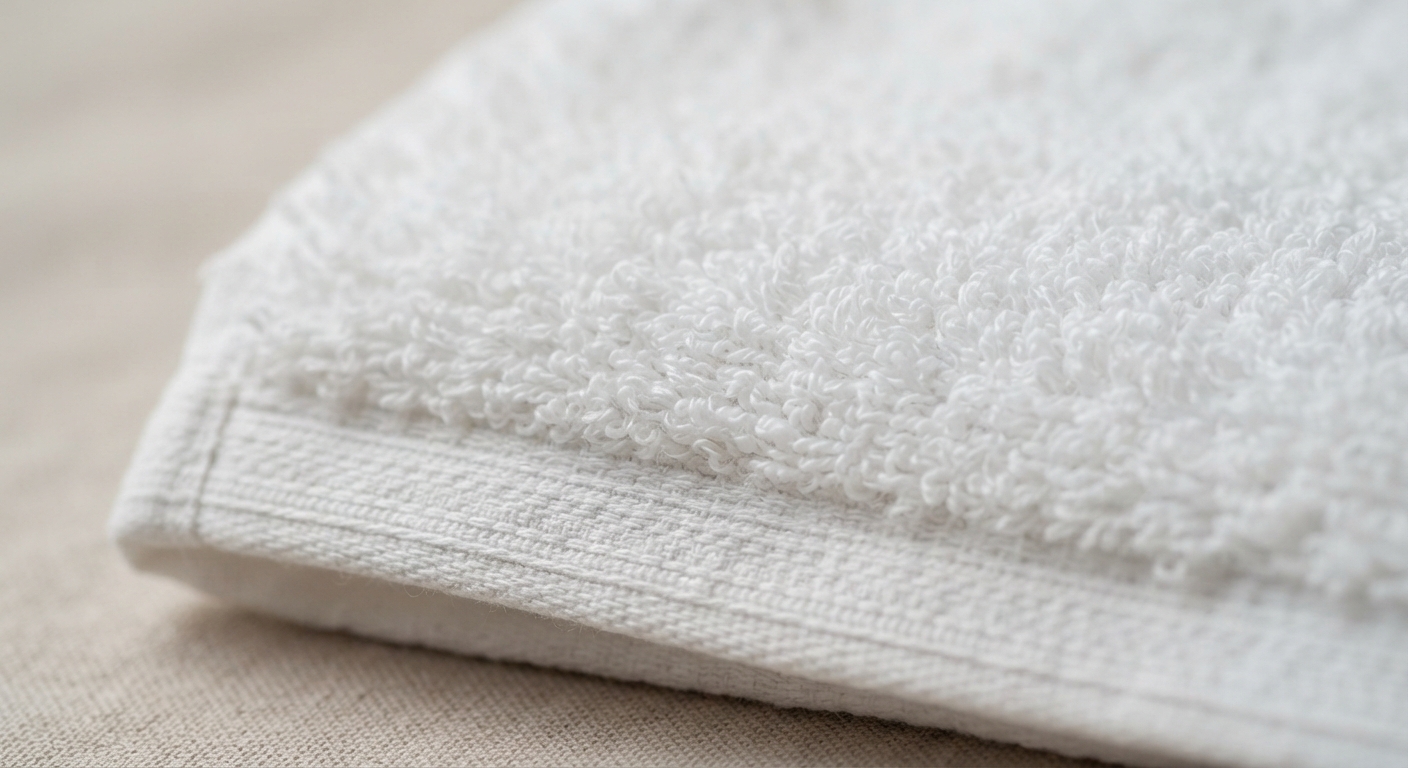
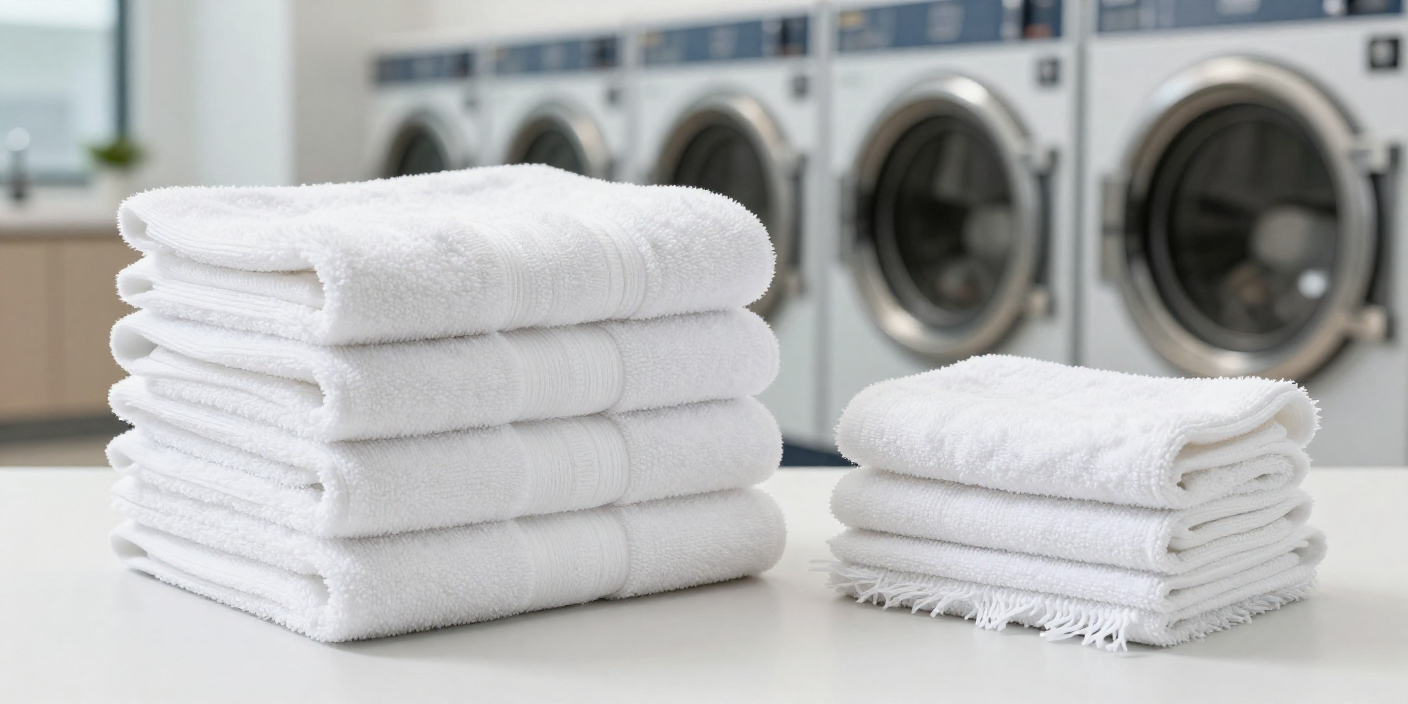
Learning how to prevent towel damage is essential for maintaining quality standards, controlling replacement costs, and protecting your hotel’s reputation. This guide explains why towel thinning happens and how to stop it through better processes, proper handling, and smarter laundry management.
Why Hotel Towels Thin and Fray
Before you can effectively prevent towel damage, it’s important to understand the root causes.
1. Overwashing and Harsh Cycles
In large-scale hotel towel washing operations, towels often go through aggressive wash programs designed for heavy soil removal. High mechanical action, excessive spin speeds, and prolonged wash times break down cotton fibers over time.
Industrial machines are powerful, but incorrect settings can accelerate wear.
2. Incorrect Water Temperatures
Extremely hot water may sanitize effectively, but repeated exposure weakens fabric fibers. Proper temperature control is a critical part of effective hotel linen washing. Using unnecessarily high heat shortens towel lifespan significantly.
3. Excessive Chemical Use
Overdosing detergents, bleach, or alkali-based chemicals damages cotton fibers. Bleach, in particular, is a major contributor to thinning and yellowing when misused.
4. Overdrying
High dryer temperatures and extended drying cycles cause fiber brittleness. Once cotton becomes brittle, it starts to shed, thin, and fray at the edges.
5. Poor Sorting Practices
Mixing towels with heavy items such as bath mats, sheets with zippers, or housekeeping rags creates friction and tearing during washing.
These common hospitality linen mistakes quietly reduce towel lifespan and increase replacement costs.
Best Practices to Prevent Towel Damage
Implementing structured laundry procedures can dramatically extend towel life while maintaining softness and absorbency.
Optimize Wash Settings
To effectively prevent towel damage:
- Use moderate mechanical action settings.
- Avoid unnecessarily long wash cycles.
- Calibrate spin speeds to reduce excessive stress.
- Use proper load sizes, avoid overloading machines.
Balancing hygiene requirements with fabric preservation is key to smart hotel linen care.
Control Chemical Dosing
Precision matters in commercial laundry.
- Use automatic dosing systems when possible.
- Avoid over-bleaching.
- Consider oxygen-based alternatives instead of chlorine bleach.
- Neutralize residual alkalinity during rinse cycles.
Proper chemical management supports both cleanliness and fabric longevity.
Monitor Water Temperature
Follow fabric care guidelines rather than defaulting to maximum heat.
- Use recommended temperature ranges for cotton towels.
- Reserve high-heat sanitation cycles for specific contamination cases.
- Implement temperature checks regularly.
Temperature discipline is one of the simplest ways to prevent towel damage while maintaining hygiene compliance.
Avoid Overdrying
Overdrying is one of the fastest ways to destroy towel fibers.
- Use moisture sensors in dryers.
- Remove towels promptly after drying.
- Avoid high heat when medium heat is sufficient.
- Shake and fold towels immediately to prevent stiffness.
Controlled drying protects softness and reduces fraying along edges and hems.
Improve Handling and Storage Practices
Laundry care doesn’t stop after washing.
Proper Sorting Before Washing
Separate towels by:
- Fabric type
- Soil level
- Color
- Weight
Never mix towels with items that have hooks, snaps, or rough textures.
This simple step significantly reduces friction damage during the wash process.
Train Housekeeping Staff
Frontline staff play a major role in towel lifespan.
- Avoid dragging towels across rough surfaces.
- Do not use bath towels for cleaning tasks.
- Separate stained or heavily soiled towels immediately.
Training minimizes preventable wear and reinforces strong hotel linen care standards.
Rotate Inventory Strategically
Consistent rotation prevents overuse of certain towel batches.
Implement a tracking system to:
- Monitor wash counts.
- Identify high-loss inventory zones.
- Remove damaged towels early.
Balanced rotation ensures even wear distribution across your linen inventory.
Invest in Higher-Quality Towels
While process improvements are essential, starting with better raw materials makes a difference.
Look for:
- Ring-spun cotton for durability.
- Reinforced hems.
- Double-stitched edges.
- Higher GSM (grams per square meter) for thickness.
Higher-quality towels withstand industrial hotel linen washing far better than lower-grade alternatives.
Perform Routine Linen Audits
Proactive audits help detect early signs of wear.
Check for:
- Edge fraying
- Fabric thinning
- Discoloration
- Reduced absorbency
Addressing small issues early prevents large-scale inventory loss.
Routine inspections also help identify recurring hospitality linen mistakes within the operation.
Build a Preventive Linen Strategy
Preventing towel thinning isn’t about one fix. It requires a complete system:
- Controlled wash programs
- Balanced chemical dosing
- Optimized drying
- Staff training
- Inventory tracking
When integrated properly, these measures significantly reduce replacement frequency and improve guest satisfaction.
A strategic approach to hotel towel washing not only protects fabric quality but also reduces operational costs long term.
The Financial Impact of Towel Damage
Hotels often underestimate how much towel thinning costs annually.
Premature replacement leads to:
- Increased procurement costs
- Higher logistics expenses
- Waste disposal fees
- Brand perception risks
By focusing on how to prevent towel damage, hotels can extend towel life cycles by months, even years, generating substantial cost savings.
Conclusion
Towel thinning and fraying are not inevitable outcomes of high-volume hotel operations. They are typically the result of process inefficiencies and avoidable handling mistakes.
By refining hotel linen washing procedures, improving hotel linen care, optimizing hotel towel washing, and eliminating common hospitality linen mistakes, hotels can preserve towel quality, reduce expenses, and enhance guest satisfaction.
Consistency, training, and proper equipment settings are the foundation of long-lasting hospitality linens.
When prevention becomes part of your operational culture, towel damage becomes a controllable, and significantly reduced, issue.