Understanding the right temperatures for hotel linen washing helps properties maintain hygiene standards, extend linen lifespan, and avoid costly replacements. In this guide, we’ll break down recommended washing temperatures for different types of hotel linen and explain how to balance sanitation with fabric protection.
Why Temperature Matters in Hotel Linen Washing
Temperature directly affects:
- Bacteria and virus removal
- Stain breakdown
- Detergent performance
- Fabric durability
- Energy consumption
Inadequate temperatures may compromise hygiene. Excessively high temperatures, however, can weaken fibers and cause shrinkage. Finding the right balance is essential for proper hotel linen care and long-term cost control.
Recommended Washing Temperatures by Linen Type
Different types of hospitality linens require different washing strategies. Let’s look at the recommended ranges.
1. Bed Sheets and Pillowcases
Recommended temperature: 60°C (140°F)
Most hotel bed linens are made from cotton or cotton-blend fabrics. Washing at 60°C is generally sufficient to:
- Kill most bacteria and allergens
- Remove body oils and sweat
- Preserve fiber strength
Higher temperatures (above 75°C) may be used for heavily soiled or contaminated linens, but routine high-heat cycles can accelerate fabric wear.
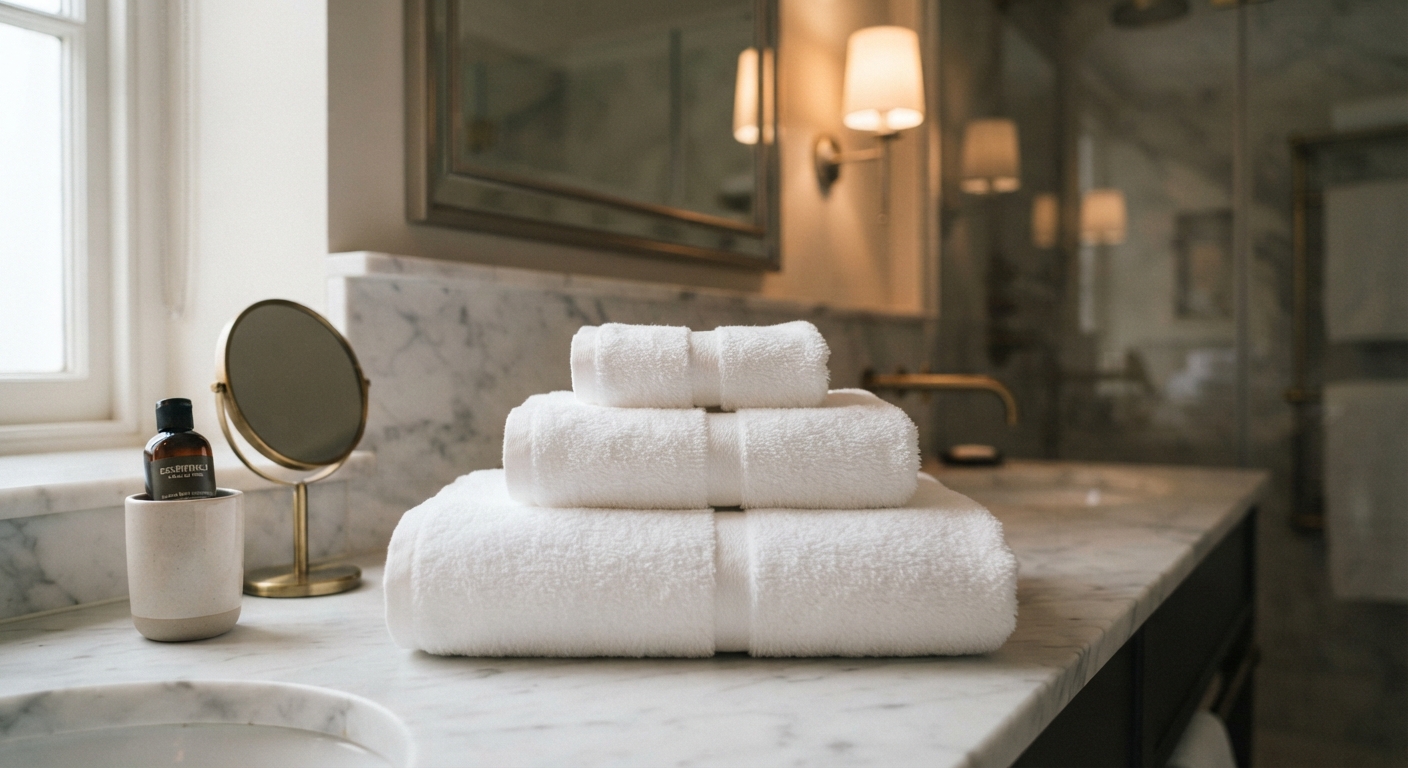
2. Towels and Bathrobes
Recommended temperature: 60–75°C (140–167°F)
Towels absorb moisture, body oils, and cosmetic residues. Because they experience heavier soil loads, they often require slightly higher temperatures than sheets.
However, improper hotel towel washing at extreme heat can:
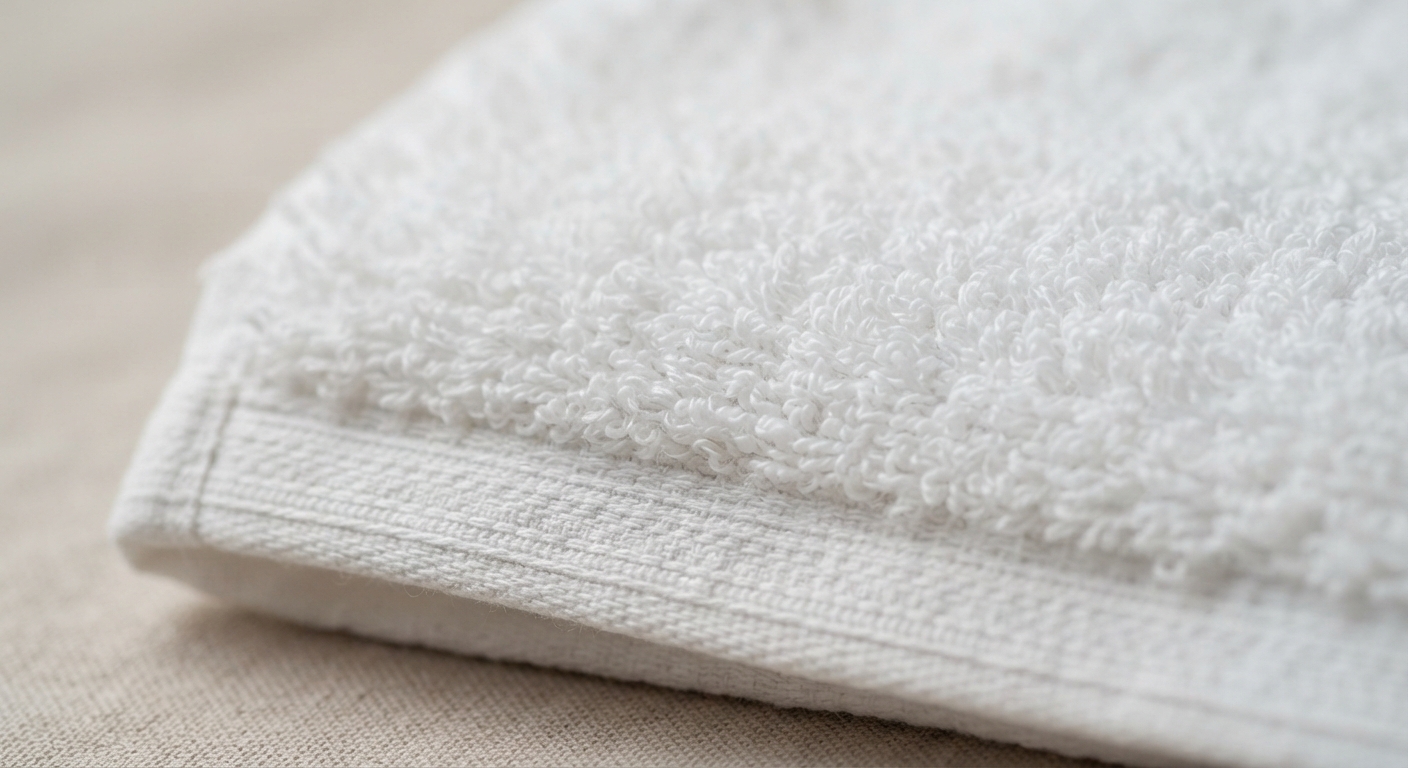
- Reduce absorbency
- Cause fiber breakdown
- Lead to stiffness
To prevent towel damage, avoid consistently washing above 75°C unless required for infection control. Use oxygen-based bleach instead of chlorine whenever possible to preserve softness.
3. Table Linens and Napkins
Recommended temperature: 60–70°C (140–158°F)
Restaurant and banquet linens are prone to food stains, oils, and wine spills. Higher temperatures help dissolve grease and enhance detergent effectiveness.
Pre-treatment is critical. Many hospitality linen mistakes occur when heavily stained items go directly into standard cycles without stain removal protocols.
4. Blankets and Duvet Covers
Recommended temperature: 40–60°C (104–140°F)
Duvet covers can usually be washed at 60°C. However, heavier blankets or synthetic-filled duvets often require lower temperatures to prevent fiber distortion.
Always check fabric composition:
- Cotton: typically safe at 60°C
- Polyester blends: often better at 40–50°C
- Specialty fabrics: follow manufacturer guidance
Using unnecessarily high heat here can reduce insulation performance and shorten product lifespan.
High-Temperature vs. Low-Temperature Washing: What’s Best?
The debate in hotel linen washing often centers on sanitation versus sustainability.
High-Temperature Benefits
- Strong microbial reduction
- Effective for heavily soiled loads
- Aligns with some health regulations
High-Temperature Risks
- Increased energy costs
- Faster fabric degradation
- Color fading
- Shrinkage
Low-Temperature Advantages (40–50°C)
- Energy savings
- Extended linen lifespan
- Lower operational costs
With modern commercial detergents and ozone laundry systems, some hotels safely reduce wash temperatures while maintaining hygiene standards.
Infection Control Considerations
Healthcare-adjacent hospitality environments (such as medical hotels or long-stay properties) may require higher temperatures.
According to many international laundry standards:
- 60°C for at least 10 minutes is sufficient for general sanitation
- 71°C+ may be required for specific contamination protocols
Hotels should align with local health regulations while optimizing fabric protection.
Common Hospitality Linen Mistakes Related to Temperature
Temperature errors are among the most frequent hospitality linen mistakes. These include:
1. Overusing High Heat
Constant 90°C washes dramatically reduce linen lifespan and increase replacement costs.
2. Ignoring Fabric Blends
Mixed-fiber linens require adjusted cycles.
3. Skipping Sorting
Combining heavily soiled towels with lightly used sheets leads to inefficient temperature settings.
4. Poor Rinse Temperature Control
Improper rinsing can leave detergent residue, causing stiffness and skin irritation complaints.
Strategic temperature management is a cornerstone of effective hotel linen care.
How to Prevent Towel Damage While Maintaining Hygiene
To properly prevent towel damage, hotels should:
- Stick to 60–75°C for routine cycles
- Avoid excessive chlorine bleach
- Use proper water levels to reduce friction
- Monitor drying temperatures (overdrying causes brittleness)
- Implement routine quality inspections
Towels that feel rough or lose absorbency often suffer from chemical buildup or heat stress rather than poor fabric quality.
Balancing Energy Efficiency and Fabric Longevity
Energy costs represent a significant portion of laundry operations. Reducing wash temperature by even 10°C can lower energy usage substantially.
Smart strategies include:
- Using high-performance detergents designed for lower temperatures
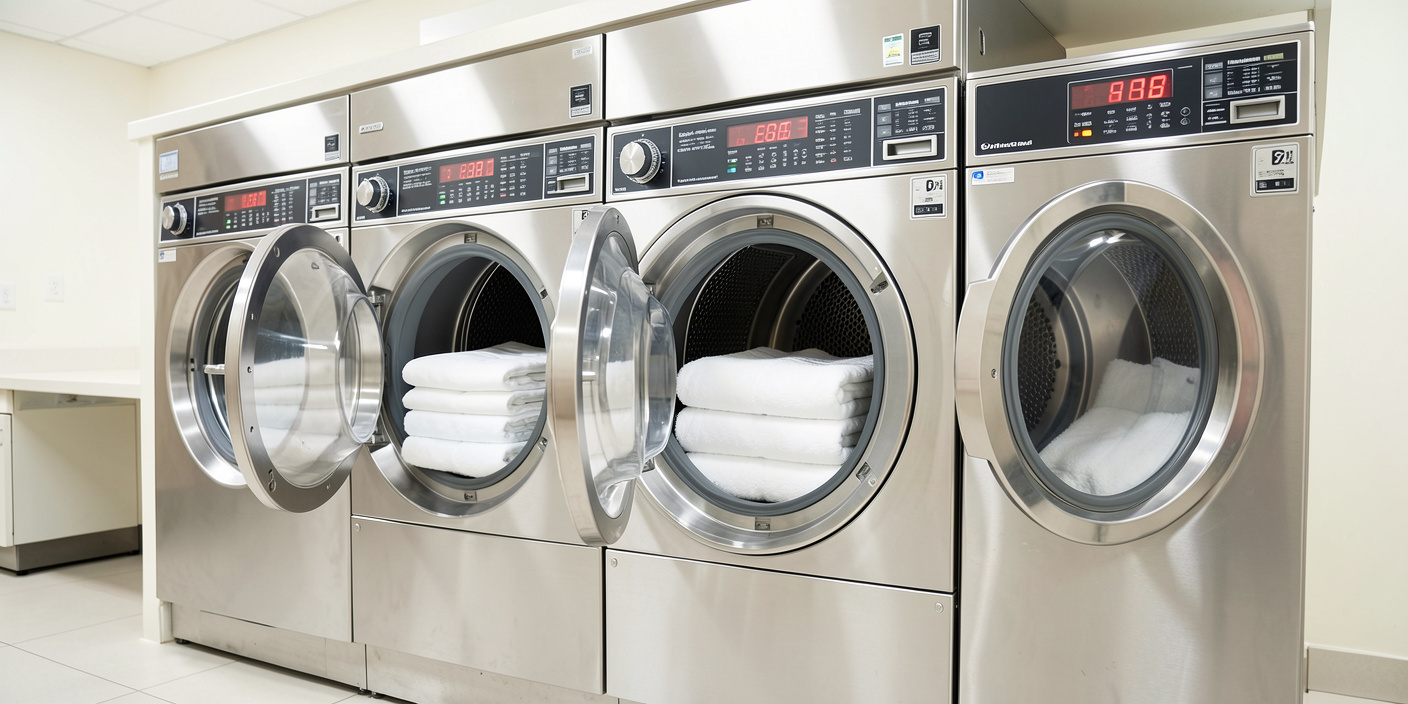
- Installing programmable commercial washers
- Training staff on load classification
- Tracking linen replacement cycles
When properly managed, optimized hotel linen washing temperatures reduce both operational costs and environmental impact.
Final Thoughts
Selecting the right washing temperature is not guesswork, it’s a strategic decision that impacts hygiene, guest satisfaction, and profitability.
For most hospitality operations:
- 60°C works well for sheets and general linen
- 60–75°C is ideal for towels
- Avoid routine extreme high-heat cycles
- Adjust for fabric type and soil level
By aligning temperature settings with best practices in hotel linen care and hotel towel washing, properties can maintain impeccable standards while extending linen lifespan and controlling expenses.
Proper temperature management is one of the simplest yet most powerful ways to elevate your laundry operation and prevent unnecessary linen damage.