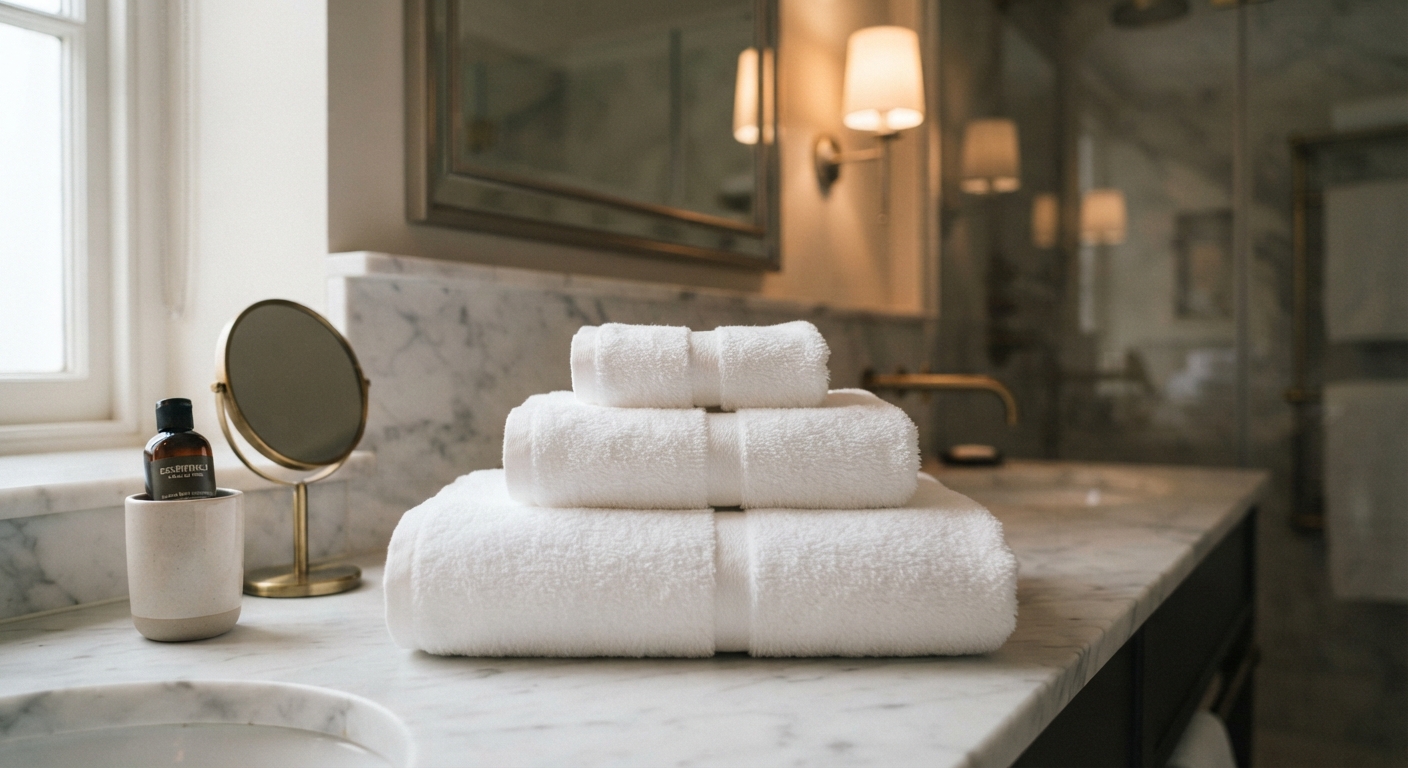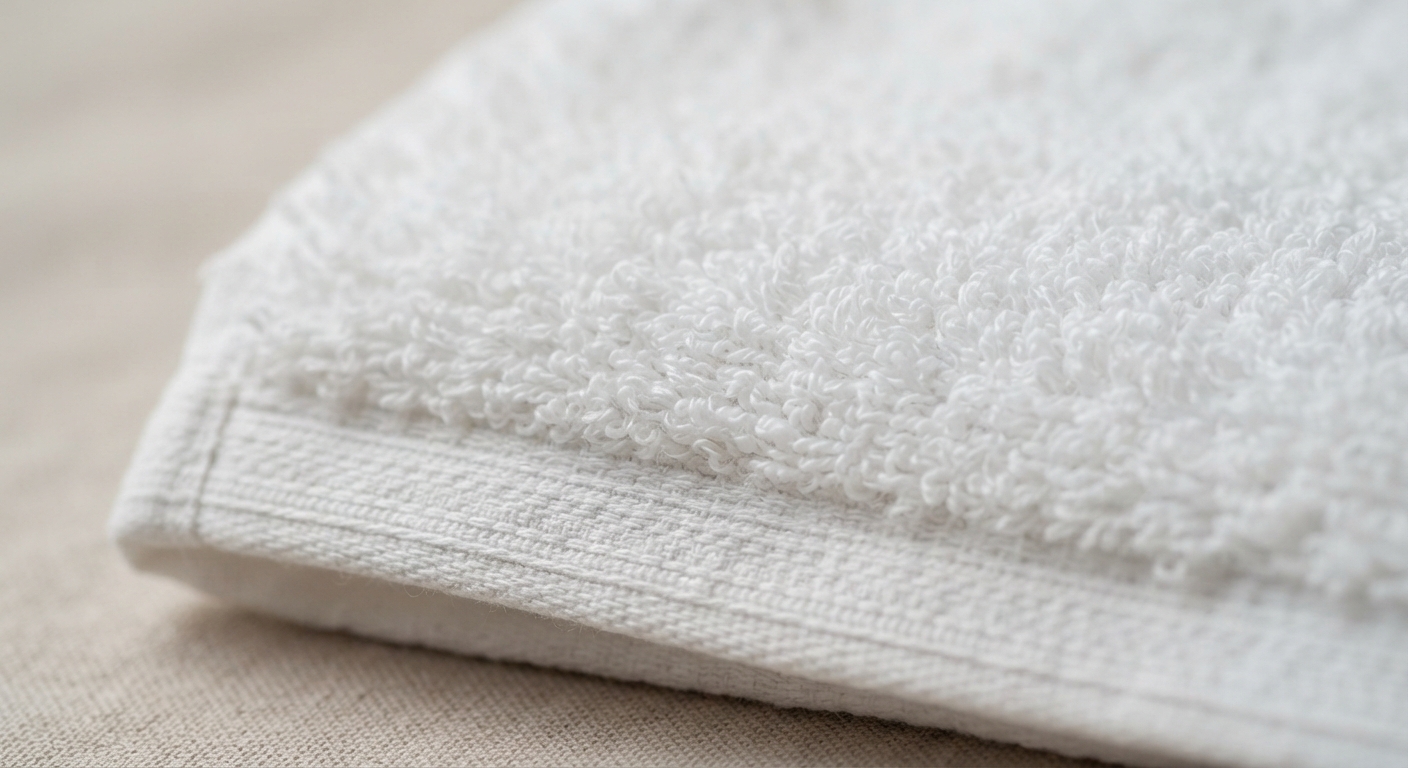
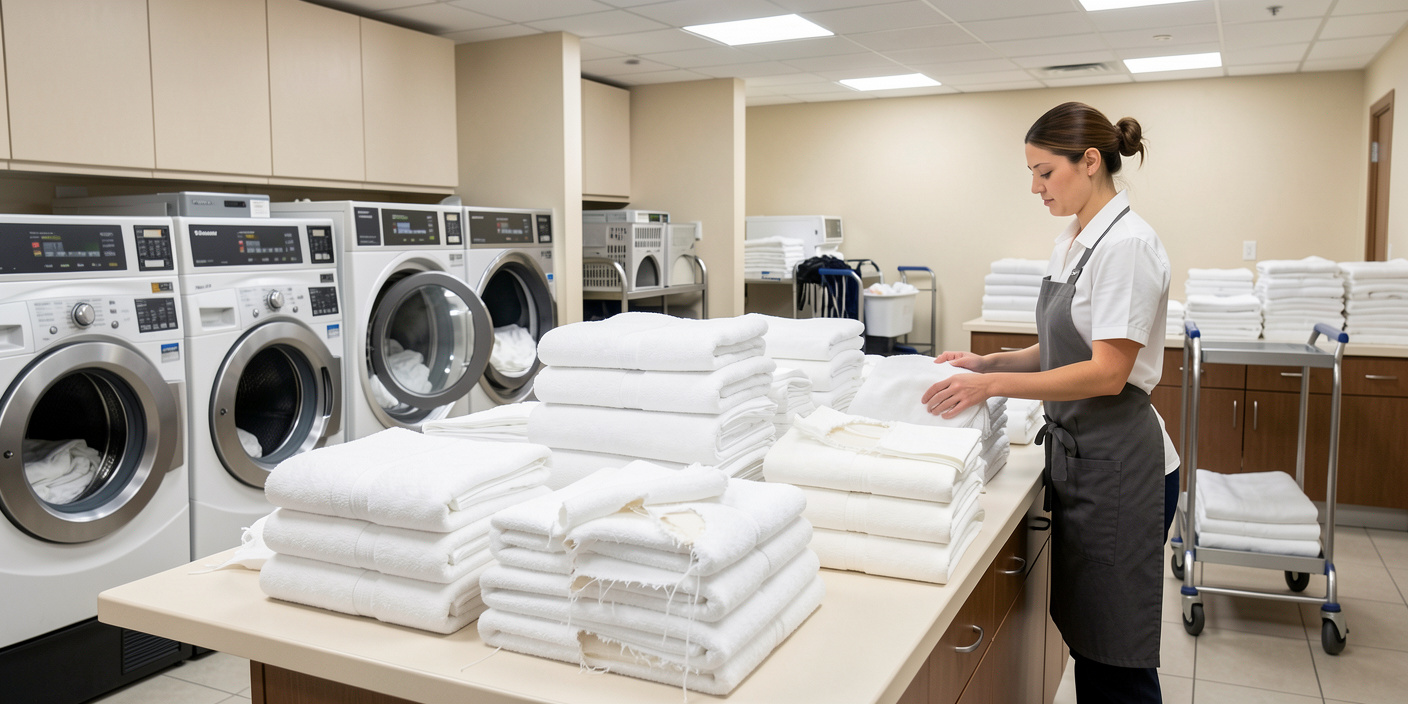
Many hospitality businesses unknowingly repeat the same hospitality linen mistakes that shorten the life of their linens and negatively affect guest satisfaction. Understanding these common errors can help housekeeping teams maintain quality, improve efficiency, and reduce replacement costs.
In this guide, we explore the most frequent linen care mistakes in hospitality and how to avoid them through better hotel linen care practices.
Why Proper Linen Care Matters in Hospitality
Hospitality linens endure constant use and frequent washing cycles. Unlike residential laundry, hotel linens are processed at a much higher volume and intensity.
Poor linen handling can lead to:
- Premature fabric wear
- Towel thinning and fraying
- Stains becoming permanent
- Higher linen replacement costs
- Negative guest impressions
Avoiding common hospitality linen mistakes helps maintain linen quality while optimizing operational costs.
Overloading Washing Machines
One of the most common hospitality linen mistakes is overloading commercial washers. While it may seem efficient to wash more items in a single cycle, overloading actually reduces cleaning effectiveness.
When washers are overloaded:
- Detergent cannot distribute evenly
- Water circulation is limited
- Stains and soil may remain in the fabric
- Linens experience excess friction
This issue often affects hotel linen washing results, leaving sheets or towels less clean than expected.
Best practice:
Always follow manufacturer load capacity guidelines and separate linens by weight and fabric type to improve washing performance.
Using Incorrect Water Temperatures
Temperature control is critical in hotel towel washing and linen processing. Many properties mistakenly wash everything at the highest temperature possible, assuming hotter water cleans better.
While hot water can help remove oils and bacteria, excessive heat can also:
- Weaken cotton fibers
- Cause shrinkage
- Fade colors
- Reduce towel softness
Improper temperature management is one of the most overlooked hospitality linen mistakes in commercial laundry operations.
Best practice:
Use temperature guidelines based on linen type and soil level. Balanced temperature settings ensure sanitation without damaging fabrics.
Using Too Much Detergent
More detergent does not equal cleaner linens. In fact, excessive detergent use is a frequent cause of poor linen quality.
Too much detergent can:
- Leave residue in fabric
- Cause stiff or rough towels
- Trap dirt and oils in fibers
- Lead to faster fabric deterioration
Residue buildup is especially noticeable in hotel towel washing, where towels may lose their softness over time.
Best practice:
Use manufacturer-recommended detergent quantities and adjust based on water hardness and load size.
Ignoring Proper Towel Handling
Towels require specific care to maintain softness, absorbency, and durability. Mishandling towels is a common category of hospitality linen mistakes.
Some frequent towel care errors include:
- Washing towels with bedding or other linens
- Using fabric softeners excessively
- Drying at extremely high temperatures
- Overprocessing during washing cycles
These mistakes can quickly reduce towel quality and make it difficult to prevent towel damage.
Best practice:
Process towels separately, avoid heavy fabric softeners, and follow proper drying guidelines to preserve absorbency and texture.
Poor Sorting Before Washing
Sorting is a critical step in hotel linen washing, yet it is often rushed or skipped entirely in busy laundry operations.
Without proper sorting:
- Heavily soiled linens contaminate cleaner items
- Delicate fabrics are damaged by rough items
- Color transfer may occur
- Different fabric types experience uneven cleaning
Poor sorting leads to inconsistent results and contributes to long-term linen wear.
Best practice:
Separate linens by category, color, and soil level before washing to protect fabrics and improve cleaning performance.
Improper Drying Practices
Drying plays a major role in maintaining linen quality. Overdrying is one of the most damaging hospitality linen mistakes.
Excessive dryer heat can:
- Break down cotton fibers
- Cause towel thinning
- Increase fabric stiffness
- Reduce the lifespan of linens
Improper drying can undo the benefits of proper hotel linen care practices.
Best practice:
Use controlled dryer temperatures and remove linens promptly once dry to minimize fiber damage.
Delaying Stain Treatment
In hospitality settings, stains are unavoidable. However, allowing stains to sit too long makes them significantly harder to remove.
Common stains include:
- Makeup
- Food and beverage spills
- Body oils
- Cleaning chemical residue
Delayed stain treatment is another frequent hospitality linen mistake that can lead to permanent discoloration.
Best practice:
Treat stains as soon as possible using appropriate stain removal procedures before sending linens to the main wash cycle.
Lack of Staff Training
Even the best linen care systems fail without proper staff training. Many hotels experience linen damage simply because staff members are not fully trained in laundry procedures.
Without consistent training:
- Washing protocols may vary between shifts
- Sorting errors increase
- Detergent misuse becomes common
- Linens wear out faster
Strong training programs are essential for maintaining effective hotel linen care practices.
Best practice:
Provide clear linen care guidelines and regular training sessions for housekeeping and laundry teams.
Final Thoughts
Linen quality directly impacts guest satisfaction, operational efficiency, and overall hospitality standards. While laundry operations may seem routine, small mistakes can have significant long-term effects.
By identifying and avoiding common hospitality linen mistakes, hotels and hospitality properties can improve linen longevity, maintain high cleanliness standards, and reduce replacement costs.
Implementing proper hotel linen care, optimizing hotel linen washing procedures, improving hotel towel washing practices, and taking steps to prevent towel damage will ensure linens remain comfortable, durable, and guest-ready.
With the right processes and attention to detail, hospitality businesses can extend linen lifespan while maintaining the high standards guests expect.