Hotel towel washing is far more than just soap and water, it’s a carefully engineered process built around efficiency, hygiene, fabric preservation, and cost control. In this guide, we’ll break down exactly how hotels manage towel laundering at scale while maintaining quality and longevity.
Why Hotel Towel Washing Is Different from Home Laundry
Hotels operate under completely different conditions than households:
- Hundreds (or thousands) of towels used daily
- Strict hygiene standards
- Tight turnaround times
- High replacement costs if towels wear out quickly
Because of this, hotel towel washing requires commercial-grade equipment, precise chemical formulas, and standardized procedures. Every step is optimized to support proper hotel linen care while reducing waste and maintaining guest satisfaction.
Step 1: Collection and Sorting
The process begins immediately after checkout or room cleaning.
Separation by Type and Soil Level
Towels are sorted based on:
- Color (whites separated from colored linens)
- Fabric type
- Level of soiling (lightly used vs. heavily stained)
This prevents cross-contamination and helps prevent towel damage caused by overwashing or improper chemical use.
Hotels that skip proper sorting often experience premature wear, one of the most common hospitality linen mistakes.
Step 2: Industrial Pre-Treatment
Before entering the main wash cycle, stained towels often go through pre-treatment.
Common Stains in Hotel Towels
- Makeup
- Sunscreen
- Body oils
- Self-tanning products
- Food or beverage spills
Professional laundries use targeted spotting agents to break down oils and pigments without harming fibers. This is a key part of professional hotel linen washing, ensuring stains are removed without aggressive rewashing.
Overprocessing is one of the fastest ways to reduce towel lifespan, so pre-treatment is precise and controlled.
Step 3: Commercial-Grade Washing Equipment
Hotels typically use either:
- On-premise laundry (OPL) systems
- Off-site commercial laundry services
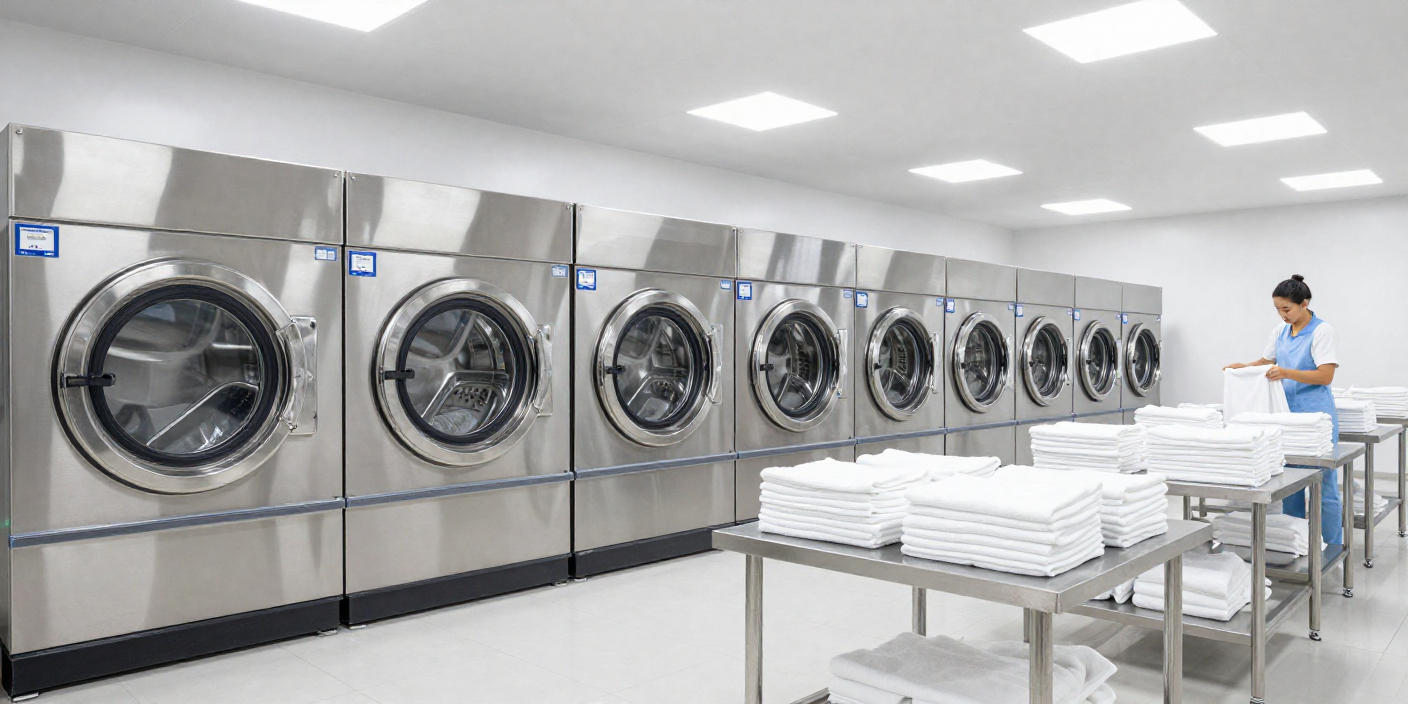
Both rely on industrial tunnel washers or high-capacity washer-extractors that can process hundreds of pounds per hour.
Why Industrial Machines Matter
Industrial washers differ from home machines in several ways:
- Programmable wash formulas
- Precise water temperature control
- Automated chemical injection systems
- High-speed extraction to remove excess moisture
These machines are specifically calibrated for large-scale hotel towel washing, balancing sanitation with fabric protection.
Step 4: Optimized Wash Formulas
Unlike residential laundry, hotel wash cycles are scientifically designed.
Controlled Chemical Dosing
Automatic systems measure exact amounts of:
- Detergents
- Alkalis
- Bleach (when needed)
- Neutralizers
- Fabric conditioners
Using too much chemical can weaken fibers. Using too little can leave residue or bacteria behind. Proper dosing is essential to both hygiene and hotel linen care standards.
Temperature Management
Towels are typically washed at high temperatures to ensure sanitation. However, modern systems optimize heat levels to:
- Kill bacteria
- Preserve fabric integrity
- Reduce energy consumption
Balancing these factors helps prevent towel damage over time.
Step 5: High-Speed Extraction
After washing, towels go through powerful extraction cycles.
Industrial extractors spin at high G-forces to remove excess water. This step:
- Reduces drying time
- Saves energy
- Minimizes fiber stress
Less time in the dryer means less heat exposure, and heat is one of the biggest contributors to towel breakdown.
Step 6: Controlled Drying Techniques
Drying is one of the most critical stages of hotel towel washing.
Moisture Sensors and Timed Cycles
Commercial dryers use:
- Moisture detection systems
- Programmable drying formulas
- Cool-down cycles
Overdrying leads to:
- Stiff texture
- Fiber brittleness
- Reduced absorbency
Professional operations monitor drying closely to maintain softness while avoiding shrinkage and wear.
Step 7: Folding, Inspection, and Quality Control
Once dry, towels move to finishing stations.
Staff inspect each towel for:
- Stains
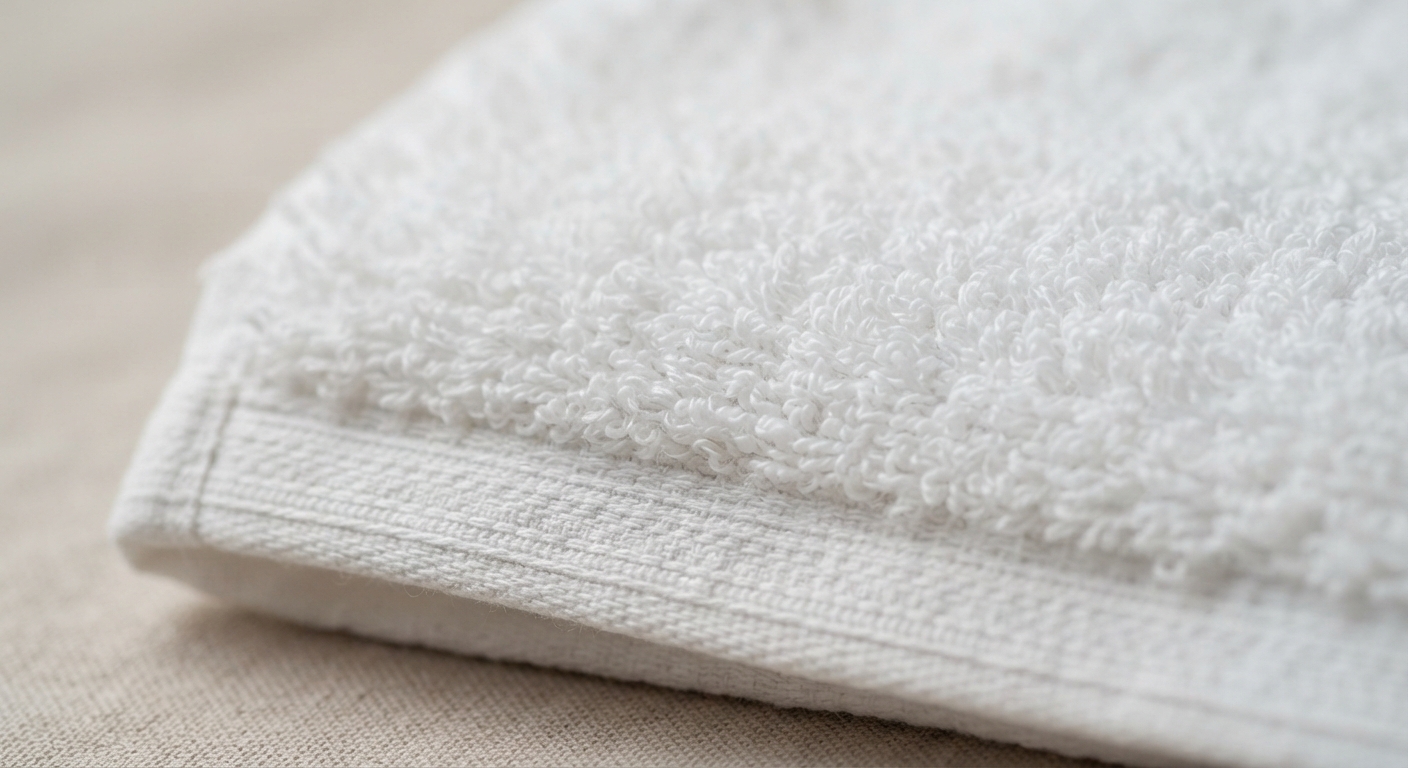
- Fraying edges
- Thinning fabric
- Discoloration
Damaged items are removed from circulation immediately. Regular inspection helps hotels avoid common hospitality linen mistakes, such as returning worn or stained towels to guest rooms.
Preventing Towel Damage at Scale
Large-scale processing increases the risk of wear, unless systems are carefully managed.
Here’s how hotels prevent towel damage:
1. Avoiding Overloading Machines
Overloading creates friction and uneven cleaning.
2. Using Correct Chemical Ratios
Excess bleach is especially harmful to cotton fibers.
3. Maintaining Equipment
Worn machine parts can snag fabric and cause tearing.
4. Tracking Wash Cycles
Many hotels track the number of washes per towel to predict replacement timing.
These preventive measures are core principles of effective hotel linen care programs.
On-Premise Laundry vs. Outsourced Laundry
Hotels typically choose between:
On-Premise Laundry (OPL)
Advantages:
- Full process control
- Faster turnaround
- Customizable wash programs
Challenges:
- Equipment investment
- Maintenance costs
- Utility consumption
Commercial Laundry Services
Advantages:
- Industrial-scale efficiency
- Professional textile expertise
- Lower equipment burden
Challenges:
- Transportation logistics
- Less immediate oversight
Both systems rely on structured hotel linen washing procedures to maintain consistency and quality.
Sustainability in Hotel Towel Washing
Modern hotels are increasingly focused on environmental responsibility.
Common sustainability strategies include:
- Low-water wash systems
- Heat recovery technology
- Eco-friendly detergents
- Ozone washing systems (reduces hot water use)
- Towel reuse programs for guests
Efficient washing programs not only reduce costs but also extend towel lifespan, improving overall ROI.
Why Precision Matters in Hospitality Linen Management
Towels are among the most heavily used items in any hotel. Poor laundering practices can lead to:
- Rough texture
- Lingering odors
- Graying whites
- Shortened lifespan
- Increased replacement costs
Strategic hotel towel washing protects both the guest experience and operational budgets.
Hotels that invest in professional processes see:
- Longer linen lifespan
- Lower chemical costs
- Reduced energy usage
- Higher guest satisfaction
Final Thoughts
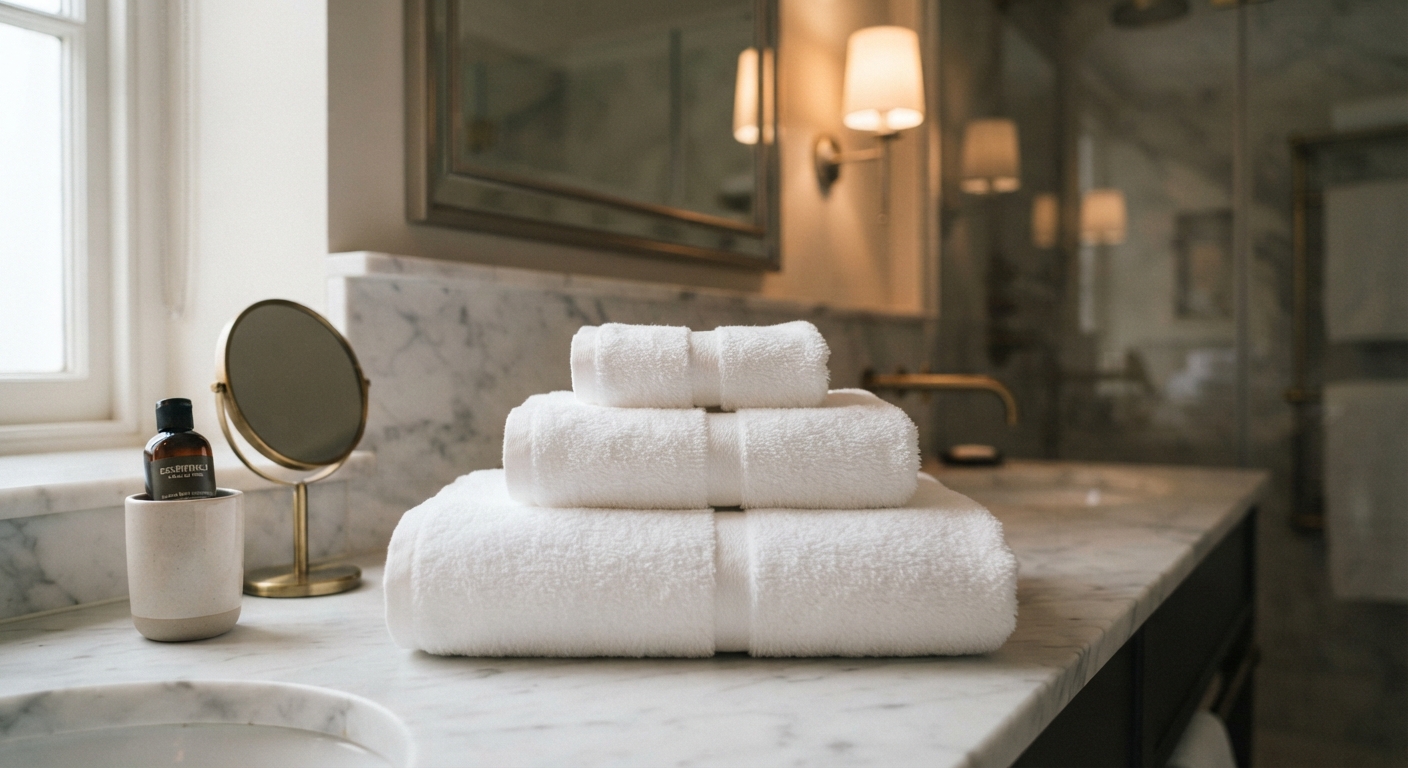
What appears to be a simple white towel is actually the result of a highly structured industrial system. From sorting and chemical dosing to controlled drying and inspection, every step in hotel towel washing is engineered for scale, sanitation, and fabric preservation.
By focusing on proper hotel linen care, avoiding hospitality linen mistakes, and implementing smart hotel linen washing procedures, hotels can maintain softness, cleanliness, and durability, all while protecting their bottom line.