When guests step into a hotel room, one of the first things they notice is comfort. From crisp bed sheets to plush towels, linen plays a major role in shaping that experience. If you’re wondering what is hotel linen, this guide breaks it down in simple terms, covering types, uses, and the quality benchmarks hotels follow.
What Is Hotel Linen?
Hotel linen refers to all fabric-based items used in hotels to support guest comfort, hygiene, and daily operations. This includes bedding, bathroom textiles, table linens, and other fabric products found throughout a property.
Unlike regular household textiles, hotel linen is designed for frequent washing, heavy use, and long service life. That’s why it’s often categorized as commercial grade linen, built to meet the demands of hospitality environments.
Why Hotel Linen Matters in Hospitality
Linen quality directly affects how guests feel about cleanliness and comfort. Fresh sheets, soft towels, and well-kept tablecloths help create trust and a positive impression. On the operational side, durable linen reduces replacement costs and supports consistent service standards.
Many hotels also invest in hotel home linen collections, which bring a home-like feel while still meeting professional requirements.
Common Hotel Linen Items
Hotel linen items vary by department, but they generally fall into the following categories:
1. Bedding Linen
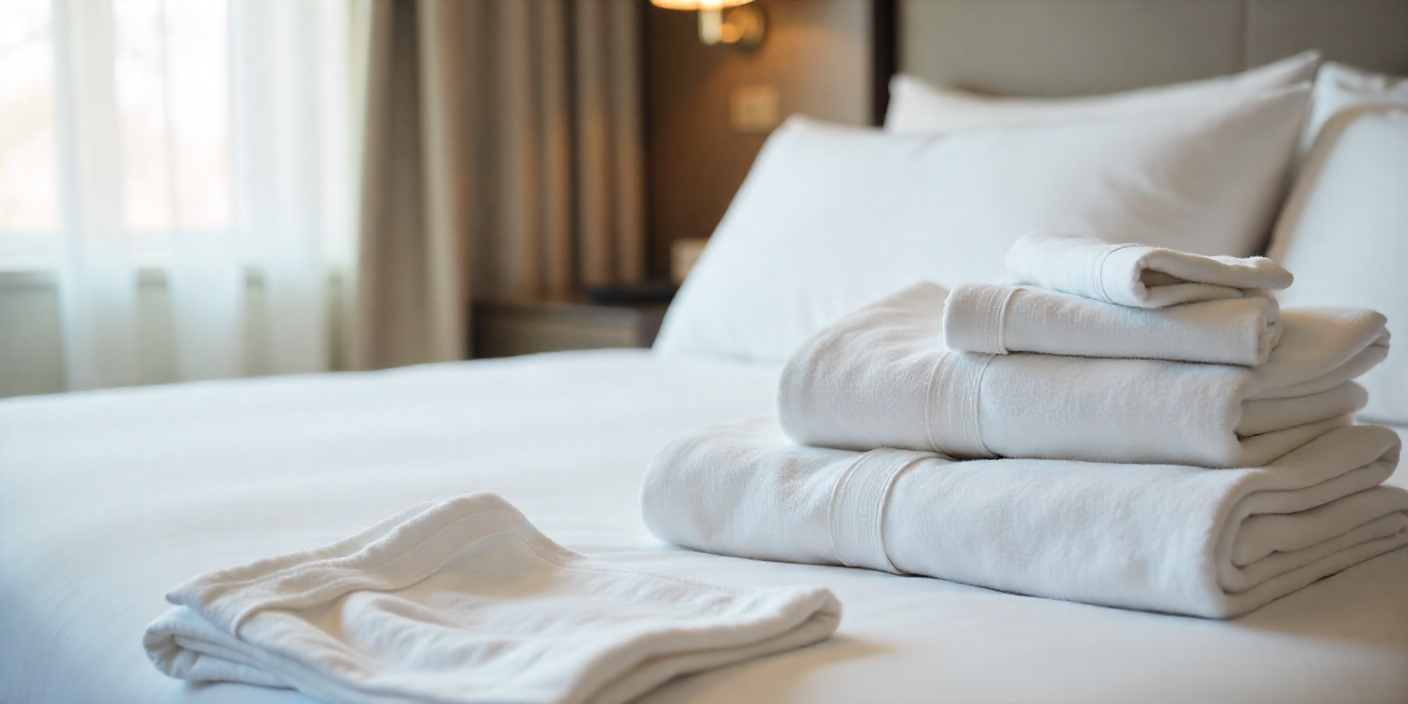
Bedding is the most visible and frequently used linen in a hotel room. It usually includes:
- Bed sheets (flat and fitted)
- Pillowcases
- Duvet covers
- Mattress protectors
- Bed runners and throws (decorative)
These items are often made from cotton or cotton blends with a high thread count for comfort and breathability.
2. Bathroom Linen
Bathroom textiles support hygiene and guest convenience. Typical items include:
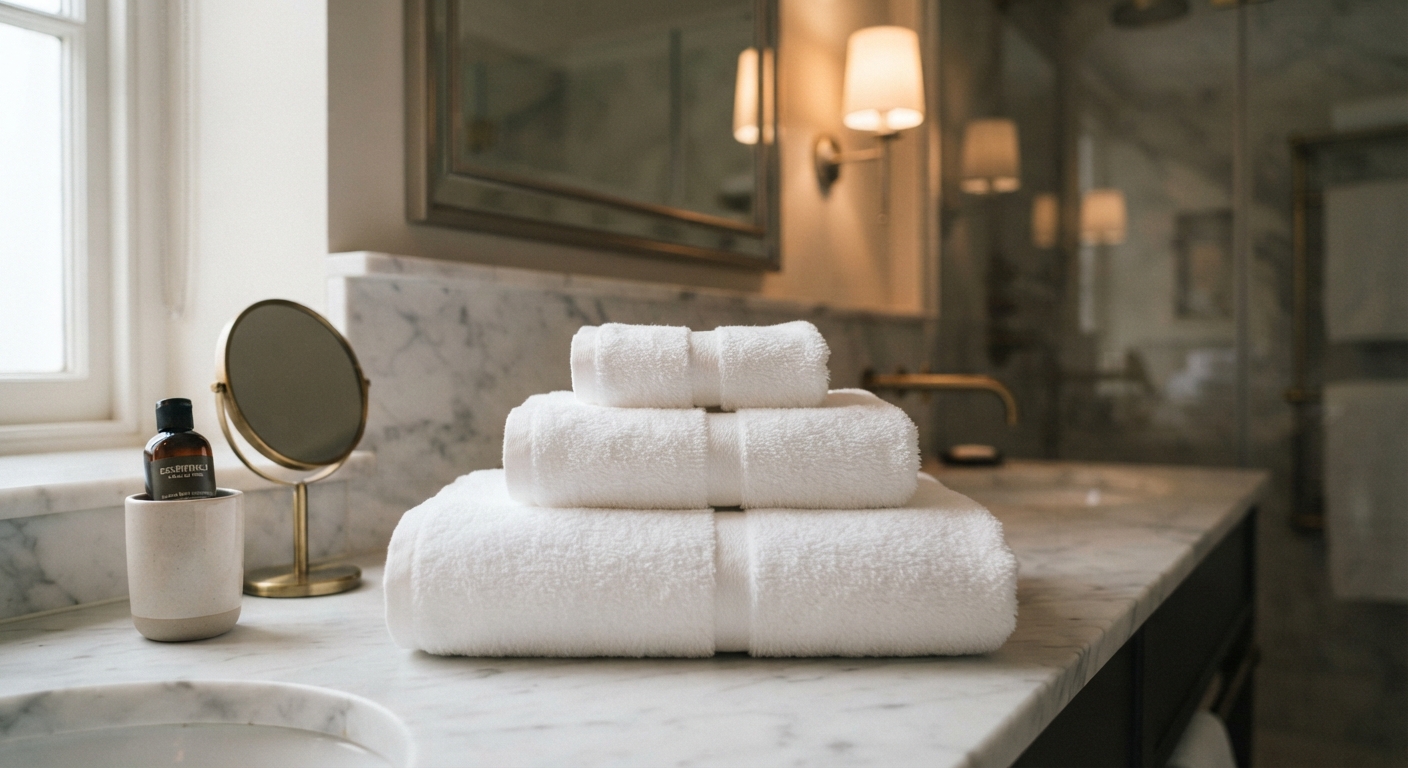
- Bath towels
- Hand towels
- Face towels
- Bath mats
- Bathrobes (in mid-range to luxury hotels)
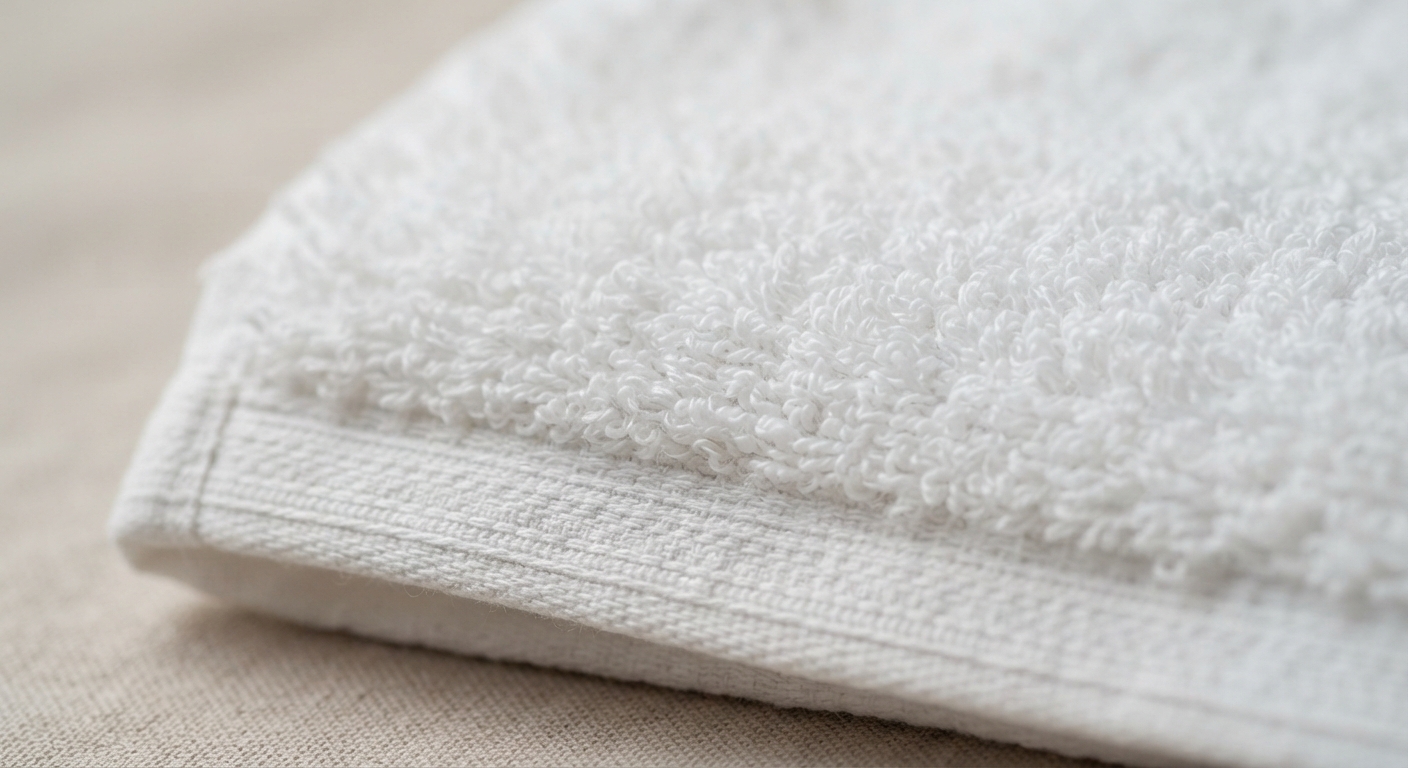
Absorbency and softness are key features here, especially since towels go through repeated washing cycles.
3. Table and Dining Linen
Used in restaurants, banquet halls, and room service, this category includes:
- Tablecloths
- Napkins
- Placemats
- Chair covers
Dining linen must maintain appearance while resisting stains and wrinkles.
4. Staff and Utility Linen
Behind the scenes, hotels also rely on:
- Cleaning cloths
- Kitchen towels
- Laundry bags
- Protective covers
These may not be guest-facing, but they support smooth daily operations.
Materials Used in Hotel Linen
Hotels select fabrics based on durability, comfort, and maintenance needs. Common materials include:
- Cotton: Soft, breathable, and widely used for bedding and towels
- Cotton blends: Mixed with polyester for added strength and faster drying
- Linen fabric: Sometimes used for premium table settings
- Microfiber: Found in cleaning and utility textiles
The choice of material often reflects the hotel’s positioning, from budget to luxury.
Understanding Hotel Linen Terminology
Knowing basic hotel linen terminology helps when sourcing or managing inventory. Here are a few common terms:
- Thread count: Number of threads per square inch; higher counts often feel smoother
- GSM (grams per square meter): Measures fabric weight, commonly used for towels
- Percale weave: Crisp, matte finish often used for bed sheets
- Sateen weave: Smooth, slightly glossy finish with a softer feel
- Commercial grade: Indicates suitability for frequent industrial laundering
These terms help hotels match linen to their service level and guest expectations.
Quality Standards for Hotel Linen
Hotel linen must meet specific quality benchmarks to perform well over time. Key standards include:
Durability
Linen should withstand frequent washing at high temperatures without thinning, tearing, or losing shape.
Comfort
Softness, breathability, and skin-friendly textures are essential, especially for bedding and towels.
Colorfastness
High-quality linen retains its color even after repeated laundering, preventing a dull or worn look.
Ease of Care
Hotel laundry operations require fabrics that dry quickly and resist excessive wrinkling.
These standards are what separate basic household textiles from true commercial grade linen.
How Hotel Linen Differs From Home Linen
While hotel and home textiles may look similar, their performance expectations differ. Hotel home linen is designed to offer a residential feel while still handling heavier use. Compared to regular home linen, hotel linen:
- Is washed more frequently
- Uses stronger stitching and fabric blends
- Follows stricter hygiene practices
This balance allows hotels to offer comfort without sacrificing practicality.
Final Thoughts
Understanding what is hotel linen helps clarify why it plays such an important role in hospitality. From bedding and towels to dining textiles, hotel linen items are built for comfort, durability, and daily use. With the right materials and quality standards, linen supports both guest satisfaction and long-term hotel operations.