In the hospitality industry, few elements influence guest comfort as directly as linen. Crisp sheets, plush towels, and neatly dressed tables all shape how guests perceive cleanliness, quality, and professionalism. Yet many people, especially new hoteliers or procurement managers, often ask a basic but important question: what is hotel linen, and what exactly counts as hotel linen items?
This guide breaks down hotel linen terminology, explains the different categories of linen used in hospitality, and clarifies how hotel linen differs from standard household textiles. Whether you operate a boutique hotel, resort, or short-term rental, understanding hotel linen items helps you maintain standards, control costs, and elevate the guest experience.
Understanding Hotel Linen Terminology
Before listing specific items, it helps to clarify hotel linen terminology. In hospitality, linen refers to all reusable textile products that support guest comfort, hygiene, and presentation. These items are designed for frequent laundering, heavy use, and consistent appearance.
Unlike decorative fabrics, hotel linen items serve functional roles, sleep, bathing, dining, and housekeeping, while reinforcing brand quality and cleanliness.
What Is Hotel Linen?
Hotel linen includes all fabric-based products used in guest rooms, bathrooms, dining areas, and operational spaces. These textiles are typically made from durable materials and manufactured to meet commercial laundering standards.
When people ask what is hotel linen, the answer is not just “sheets and towels.” It’s a broad category that supports nearly every touchpoint of the guest journey.
Core Categories of Hotel Linen Items
1. Bed Linen Items
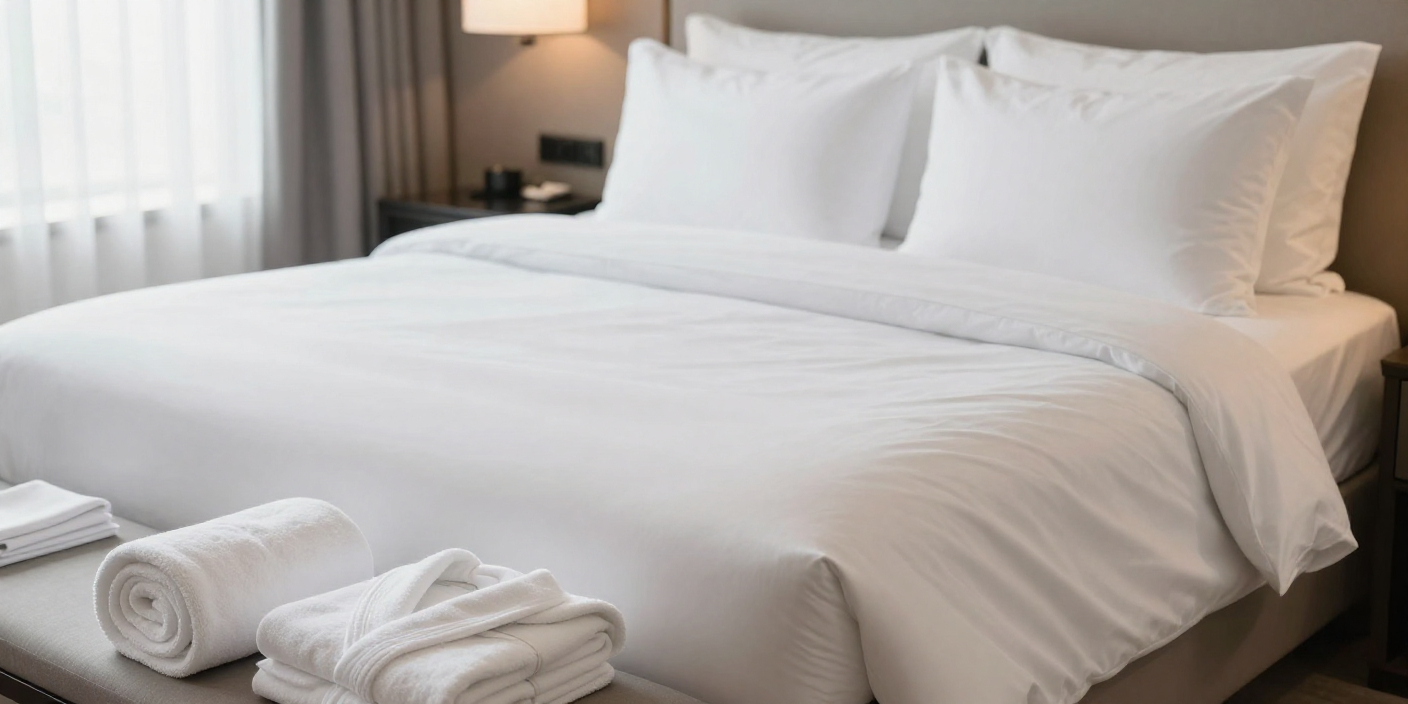
Bed linen is the most recognized category of hotel linen items and often the most critical for guest satisfaction.
Common bed linen includes:
- Bed sheets (flat and fitted)
- Pillowcases
- Duvet covers
- Mattress protectors
- Bed skirts or valances
- Pillow protectors
Hotels often choose high-thread-count cotton or cotton-blend fabrics that balance softness with durability. These items must withstand frequent washing while maintaining shape and comfort.
2. Bath Linen Items
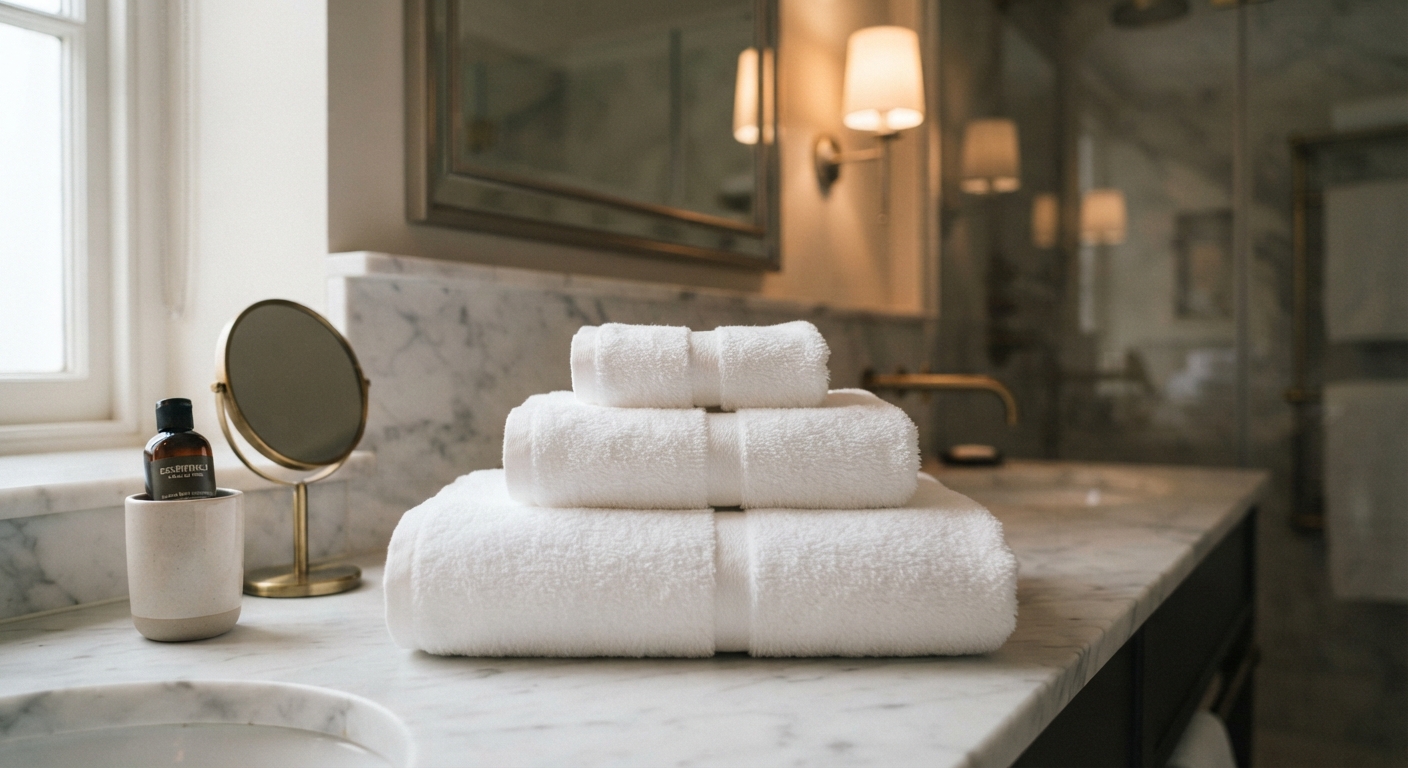
Bath linen plays a key role in hygiene and perceived luxury. Guests immediately notice the quality, absorbency, and cleanliness of bathroom textiles.
Standard bath hotel linen items include:
- Bath towels
- Hand towels
- Face towels or washcloths
- Bath mats
- Pool or spa towels
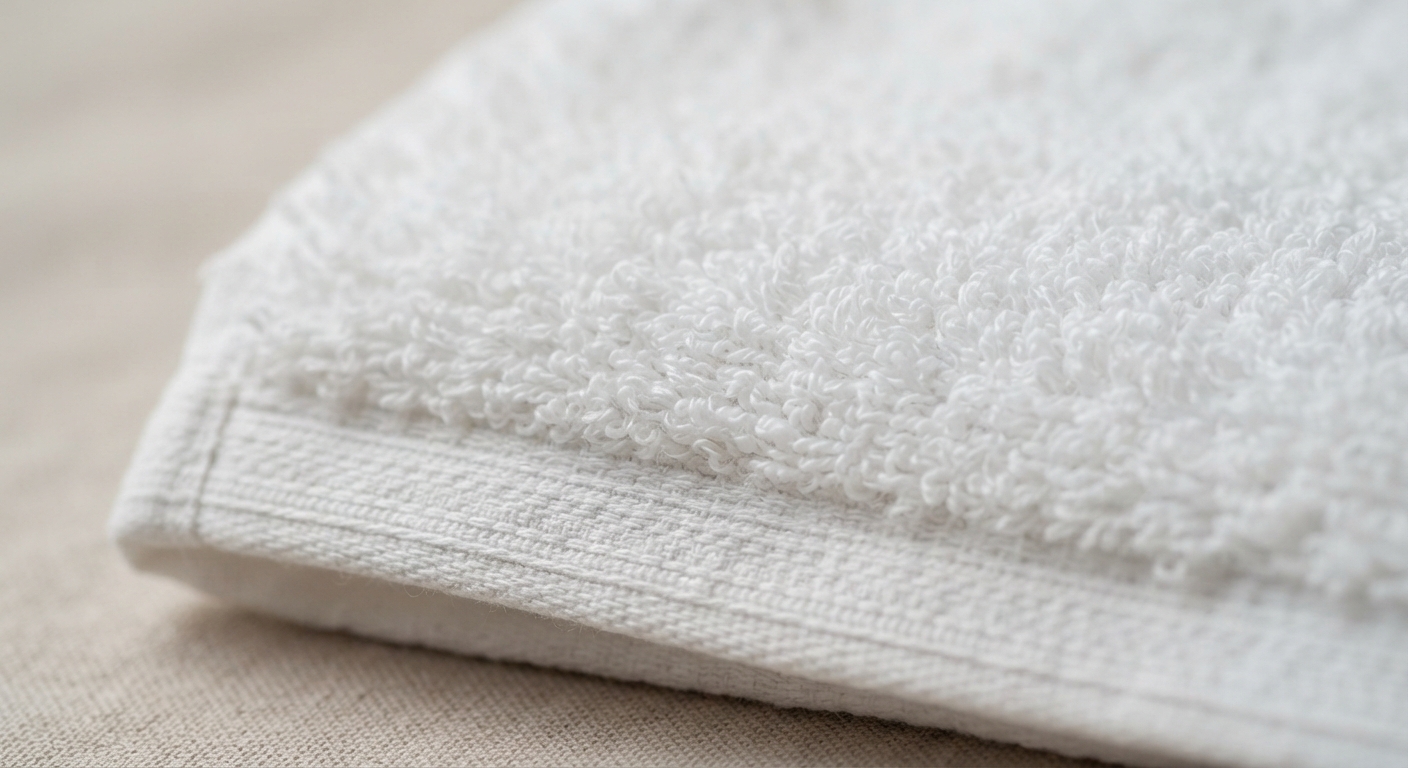
These are typically heavier, more absorbent, and more durable than household towels, reflecting their commercial grade linen construction.
3. Table and Dining Linen
Dining spaces rely heavily on linen to create a polished and professional atmosphere. Even casual hospitality environments use textiles to reinforce cleanliness and brand identity.
Common dining linen includes:
- Tablecloths
- Table runners
- Napkins
- Placemats
- Chair covers (in banquet or event settings)
High-quality table linen resists stains, wrinkles, and fading, key traits of hotel linen items used in food service.
4. Hotel Home Linen and Guest Room Accessories
The category of hotel home linen bridges comfort and design. These items enhance the guest room environment while remaining functional.
Examples include:
- Decorative throws
- Bed scarves
- Cushion covers
- Blackout or sheer curtains
- Fabric headboards or wall panels
Though more decorative, these still fall under hotel linen items when designed for commercial use and regular cleaning.
5. Housekeeping and Operational Linen
Behind the scenes, linen supports daily hotel operations and staff efficiency.
These items include:
- Housekeeping cloths
- Cleaning rags
- Laundry bags
- Staff uniforms
- Aprons
While guests may not see these textiles, they are essential to maintaining cleanliness standards and operational consistency.
Commercial Grade Linen vs Household Linen
One of the most important distinctions in hotel linen terminology is the difference between commercial grade linen and household linen.
Commercial grade linen is designed to:
- Withstand frequent high-temperature washing
- Retain color and texture over time
- Resist shrinkage and tearing
- Meet hygiene and safety standards
Household linen, by contrast, is intended for lighter use and shorter lifespans. Investing in proper hotel linen items reduces replacement costs and ensures consistent guest experiences.
Why Hotel Linen Items Matter in Hospitality
Hotel linen items do more than serve functional purposes. They:
- Influence guest comfort and sleep quality
- Signal cleanliness and professionalism
- Reinforce brand standards
- Support efficient housekeeping operations
- Affect online reviews and repeat bookings
From bed linen to bath towels, each textile contributes to how guests judge value and quality.
Choosing the Right Hotel Linen Items
When selecting hotel linen, hospitality operators should consider:
- Fabric composition and durability
- Ease of laundering and maintenance
- Climate and seasonal needs
- Brand positioning (luxury vs budget)
- Consistency across rooms and spaces
Understanding what qualifies as hotel linen helps decision-makers choose products that balance comfort, longevity, and cost efficiency.
Final Thoughts
So, what counts as hotel linen items in hospitality? The answer includes far more than sheets and towels. Hotel linen spans bed, bath, dining, decorative, and operational textiles, all designed for heavy use, hygiene, and consistent presentation.
By understanding hotel linen terminology, recognizing the value of commercial grade linen, and investing in quality hotel home linen, hospitality businesses can create comfortable, memorable guest experiences while maintaining operational efficiency.