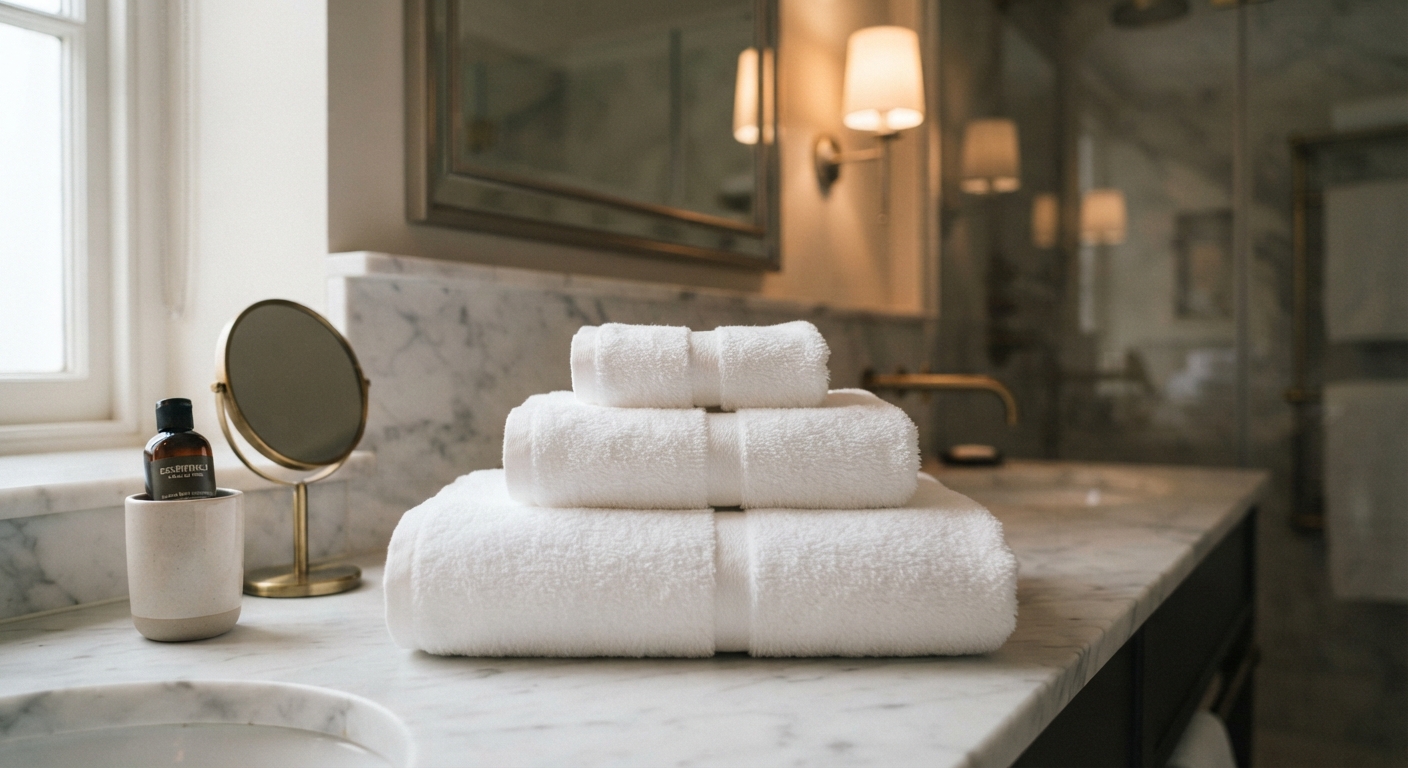
In the hospitality industry, details define the guest experience, and few details matter as much as linen quality. From crisp bed sheets to plush towels, maintaining consistent hotel linen standards is essential for guest satisfaction, hygiene, and brand reputation. Whether you’re managing a boutique hotel or a global chain, understanding international benchmarks for linen is key to delivering comfort and cleanliness at scale.
This guide breaks down everything you need to know about hospitality linen standards, including quality expectations, hygiene practices, and what sets luxury establishments apart.
Why Hotel Linen Standards Matter
High-quality linen is more than just a visual element, it directly impacts guest perception and operational efficiency. Poor linen quality or hygiene can lead to negative reviews, reduced repeat bookings, and even health concerns.
Maintaining proper hotel linen standards ensures:
- Enhanced guest comfort and satisfaction
- Compliance with health and safety regulations
- Longer linen lifespan and cost efficiency
- Stronger brand positioning in competitive markets
Hotels that prioritize hotel textile hygiene also demonstrate a commitment to cleanliness, which has become increasingly important in a post-pandemic world.
Key Elements of Hospitality Linen Standards
1. Material and Fabric Quality
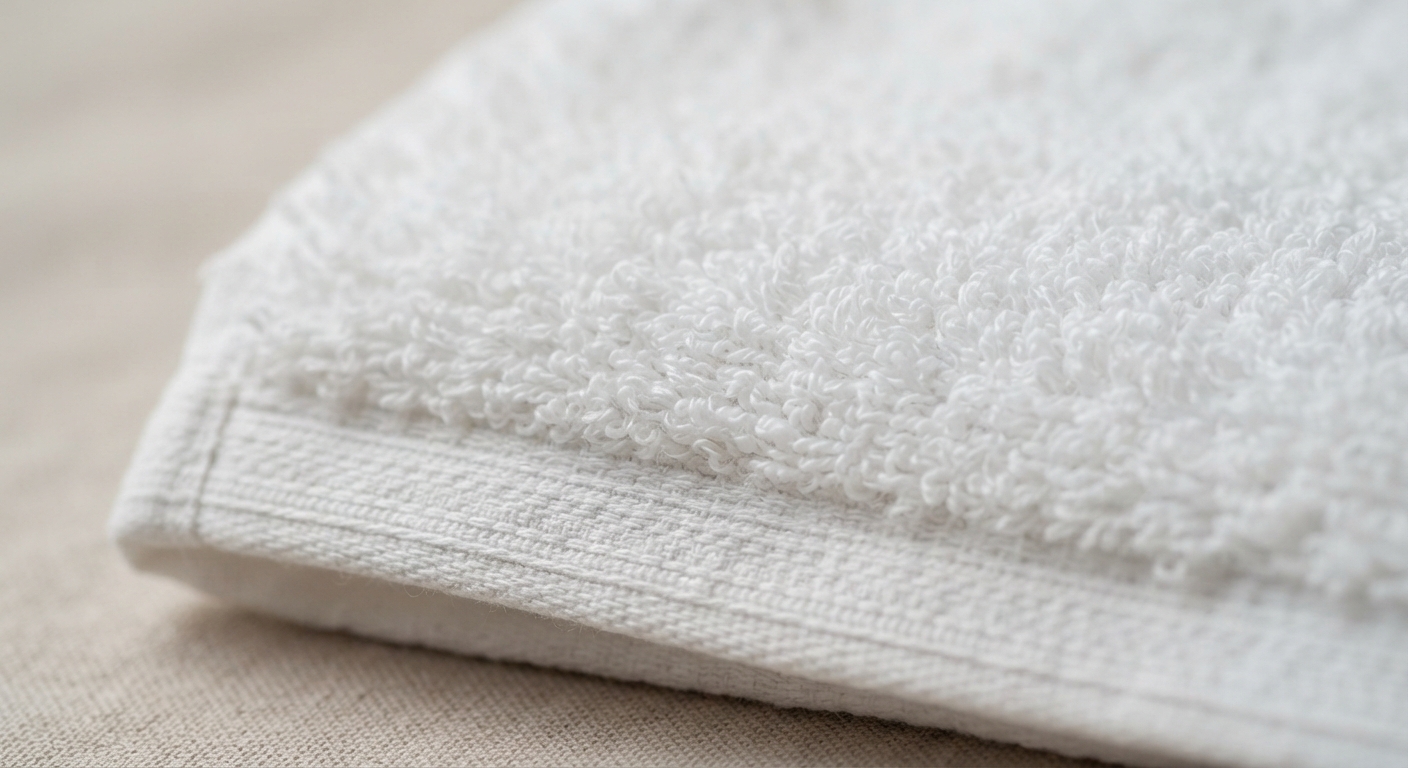
The foundation of good linen lies in the fabric. Most international hotels prefer cotton or cotton blends due to their breathability and durability. Egyptian and combed cotton are often used in luxury hotel linen for their softness and long fibers.
Important factors include:
- Thread count (typically 200–400 for standard hotels, 400+ for luxury)
- Fabric composition (100% cotton vs blends)
- Weave type (percale for crispness, sateen for softness)
High hotel linen quality not only improves comfort but also withstands frequent washing without rapid wear.
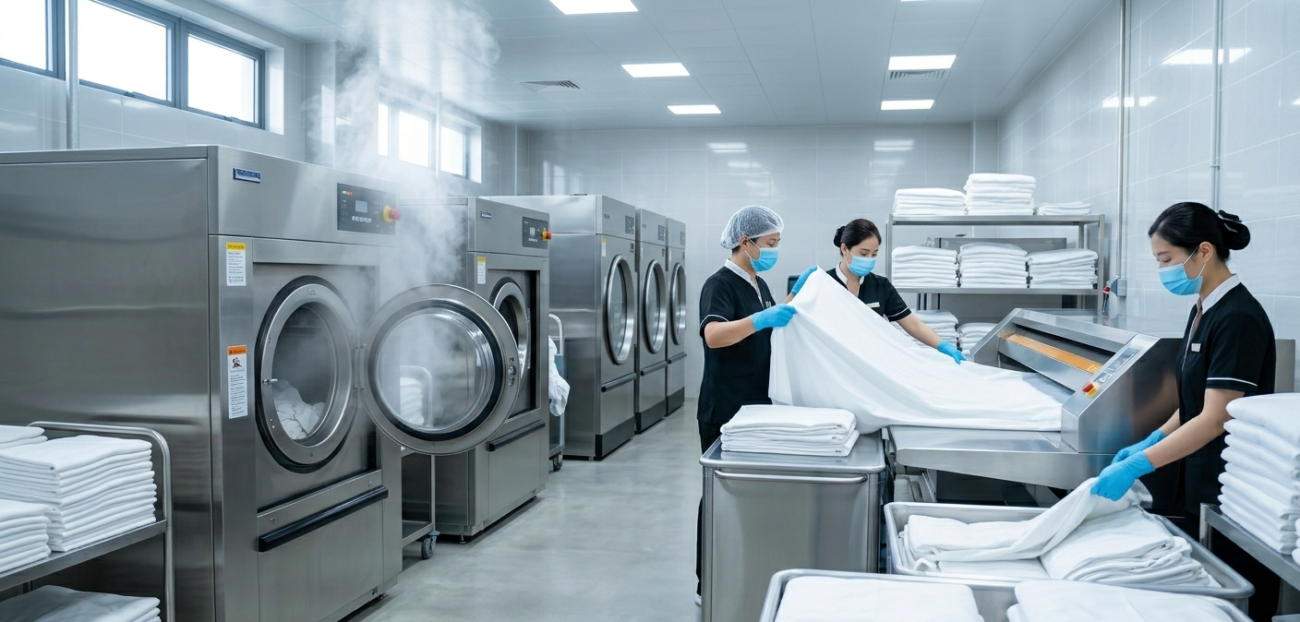
2. Cleanliness and Hygiene Standards
Strict hotel textile hygiene protocols are non-negotiable in hospitality. International standards emphasize:
- Washing linens at high temperatures (60°C–90°C)
- Using hospital-grade detergents and disinfectants
- Separating contaminated and clean laundry
- Regular inspections for stains, odors, or damage
Many hotels follow guidelines similar to healthcare laundry systems to ensure linens are free from bacteria, allergens, and viruses.
3. Consistency and Presentation
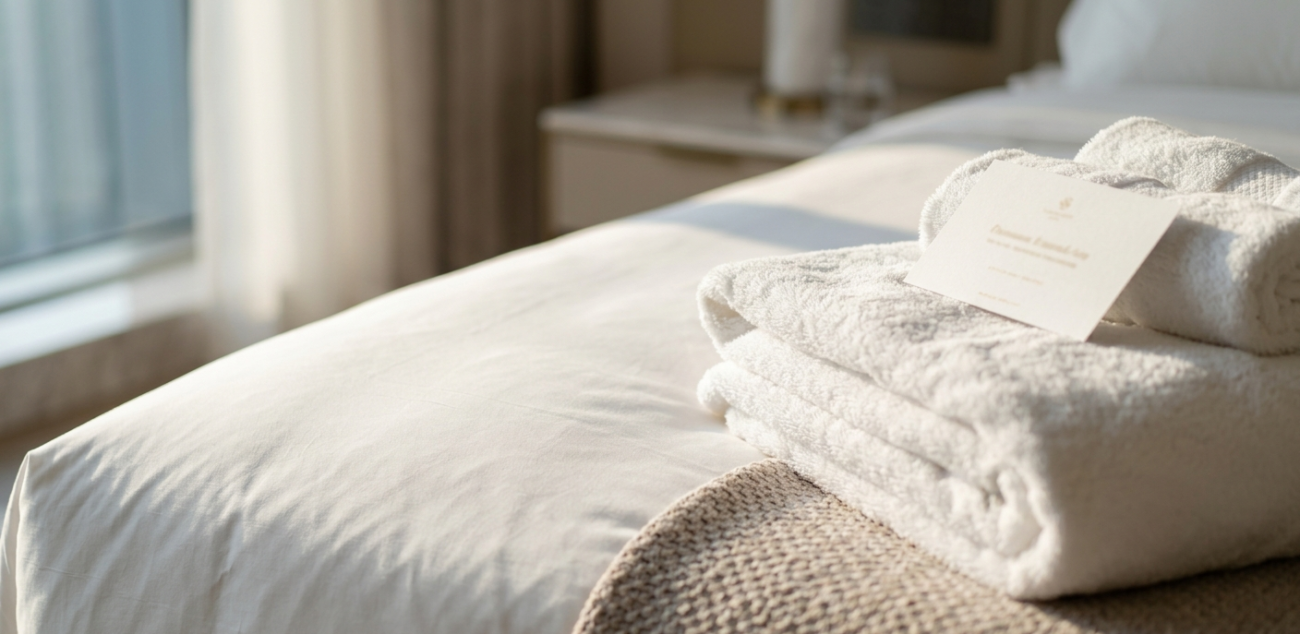
Uniformity is a hallmark of professional hotel linen practices. Guests expect consistency in:
- Color (typically white for easy inspection and a clean aesthetic)
- Texture and feel across all rooms
- Proper folding and presentation
Wrinkled or mismatched linens can quickly undermine an otherwise luxurious room.
4. Durability and Maintenance
Durability is critical to maintaining cost efficiency. Linen must endure:
- Frequent washing cycles
- High heat drying
- Continuous handling by staff
Hotels implement routine checks to retire worn-out items and replace them before they affect guest experience. Investing in durable hotel linen quality reduces long-term replacement costs.
International Benchmarks for Hotel Linen
While standards may vary slightly by region, several global benchmarks guide hotel linen standards:
ISO and Textile Certifications
Many hotels rely on certifications such as ISO standards for quality management and textile safety. These ensure consistency in production, durability, and environmental impact.
Hospitality Industry Guidelines
Organizations like hotel associations and tourism boards often provide frameworks for:
- Minimum thread counts
- Laundry procedures
- Linen replacement cycles
These guidelines help standardize hospitality linen standards across properties.
What Defines Luxury Hotel Linen?

Luxury hotels go beyond basic standards to create a memorable tactile experience. Luxury hotel linen is characterized by:
- Higher thread counts (often 400–800)
- Premium materials like Egyptian cotton
- Enhanced softness through specialized finishing processes
- Attention to detail in stitching and design
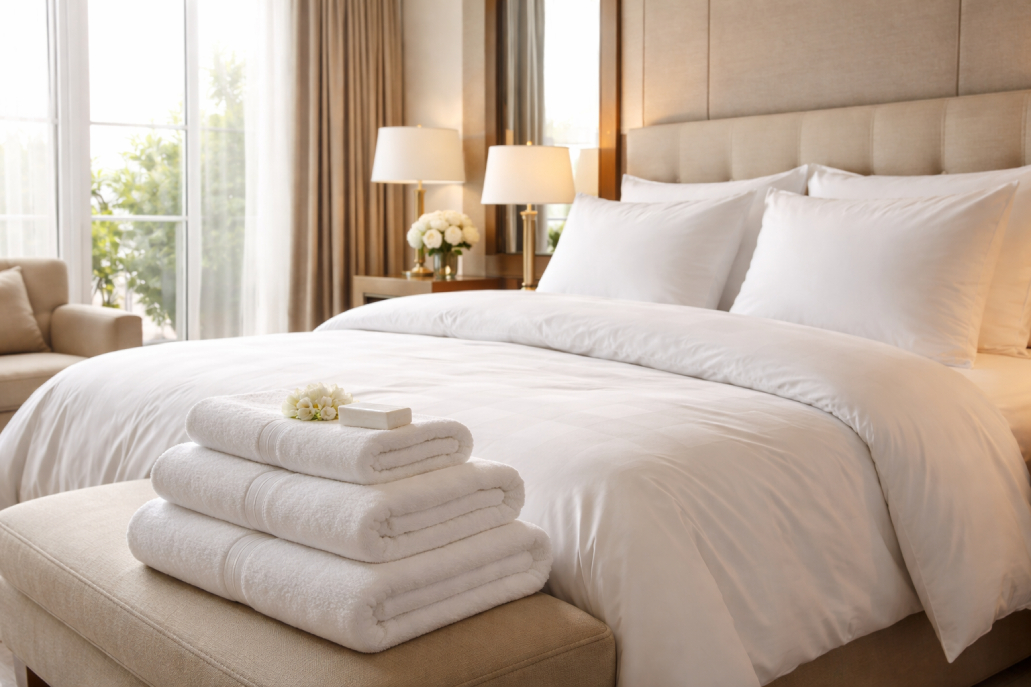
Additionally, luxury hotels often use layered bedding (duvets, mattress toppers, multiple pillows) to elevate comfort.
Sustainable Linen Practices in Hospitality
Sustainability is becoming an integral part of hotel linen practices worldwide. Hotels are adopting eco-friendly strategies such as:
- Linen reuse programs (encouraging guests to reuse towels and sheets)
- Using organic or sustainably sourced cotton
- Reducing water and energy consumption in laundry operations
These practices not only lower operational costs but also appeal to environmentally conscious travelers.
Best Practices for Maintaining Hotel Linen Standards
To ensure consistent quality, hotels should follow these best practices:
Regular Quality Checks
Inspect linens for wear, stains, and damage before placing them in guest rooms.
Staff Training
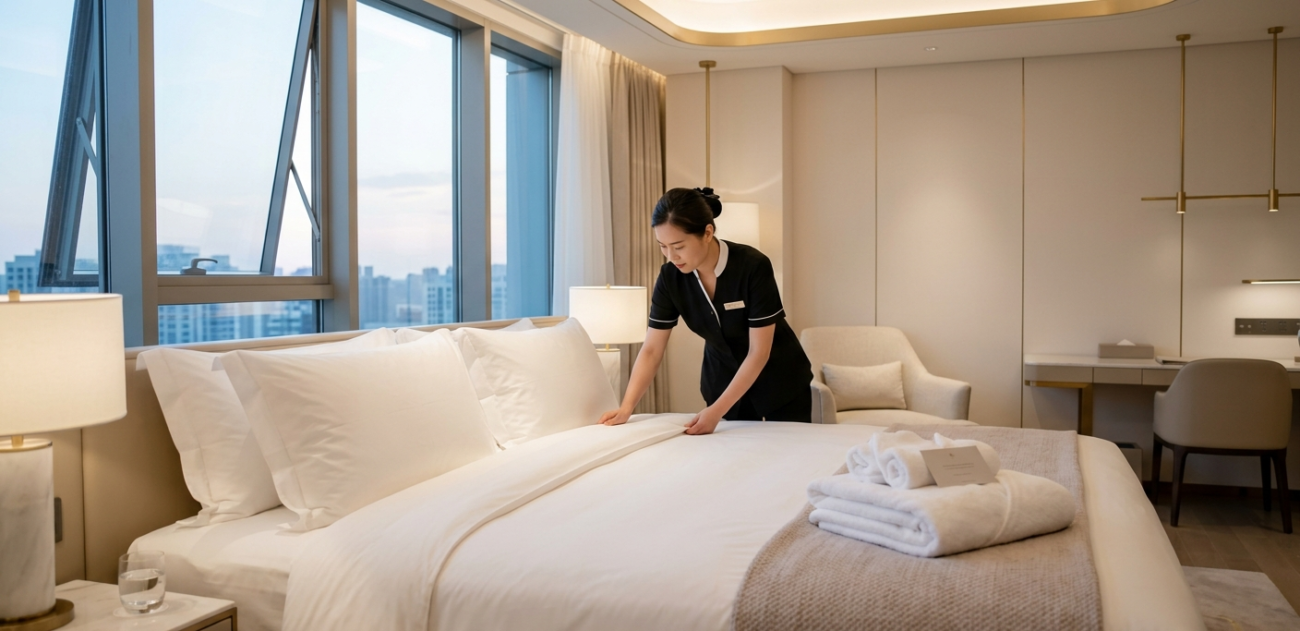
Train housekeeping and laundry staff on proper handling, washing, and storage procedures.
Inventory Management
Maintain an adequate linen inventory to avoid overuse and extend lifespan.
Partnering with Reliable Suppliers
Work with trusted vendors who meet international hotel linen standards and provide consistent quality.
Common Challenges and How to Overcome Them
Even with strict standards, hotels face challenges such as:
- High replacement costs: Mitigated by investing in durable linen
- Inconsistent laundry results: Solved with standardized washing protocols
- Wear and tear: Managed through rotation and proper storage
Addressing these issues proactively ensures long-term efficiency and guest satisfaction.
Final Thoughts
Maintaining international hotel linen standards is a critical component of delivering exceptional hospitality. From fabric quality to hygiene and sustainability, every aspect of linen management contributes to the overall guest experience.
Hotels that invest in high hotel linen quality, follow strict hotel textile hygiene protocols, and adopt modern hotel linen practices position themselves as leaders in comfort, cleanliness, and professionalism.
Whether you’re upgrading your current linen program or building one from scratch, aligning with global standards will help ensure your guests enjoy a consistently comfortable and memorable stay.