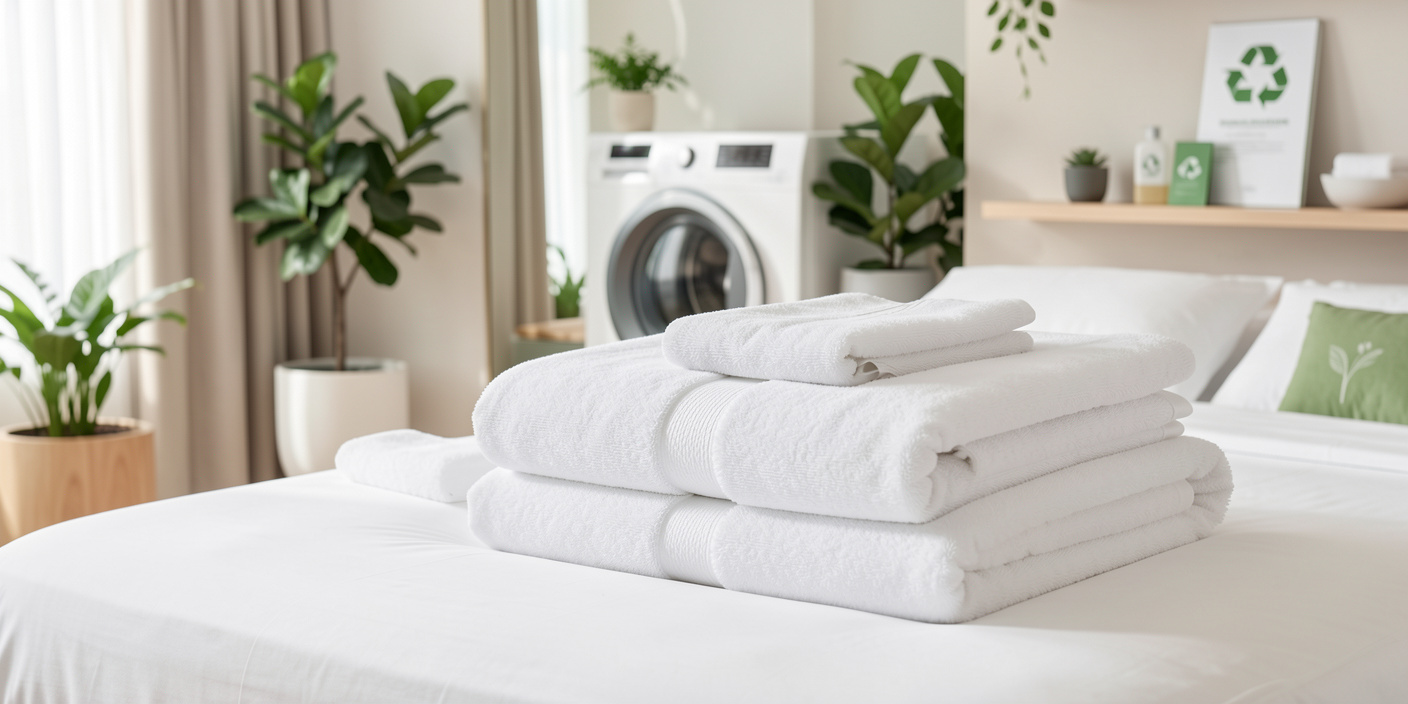
Sustainability has become a core priority in modern hospitality. Hotels across the world are rethinking their operational practices to reduce environmental impact while maintaining guest comfort and service quality. One of the most effective areas for improvement is linen management. By adopting eco hotel linen strategies, hospitality businesses can significantly reduce water usage, energy consumption, and textile waste.
From sourcing organic hotel cotton to implementing hotel linen reuse programs, sustainable practices not only benefit the planet but can also reduce operational costs and strengthen a hotel’s brand reputation. This guide explores practical ways hotels can integrate sustainability into their linen management systems.
Why Sustainable Linen Practices Matter in Hospitality
Hotel linens, including bed sheets, towels, pillowcases, and bathrobes, are used daily and washed frequently. This creates a substantial environmental footprint due to water usage, detergents, energy consumption, and textile disposal.
Adopting green hotel linen strategies helps address these issues by focusing on responsible sourcing, efficient laundering, and extended product lifecycles.
Key benefits include:
- Reduced water and energy consumption
- Lower laundry and replacement costs
- Improved brand perception among eco-conscious travelers
- Compliance with environmental certifications and sustainability programs
By prioritizing sustainable hotel linen solutions, hotels can balance operational efficiency with environmental responsibility.
Choosing Eco-Friendly Linen Materials
Organic and Sustainable Cotton
One of the first steps toward adopting eco hotel linen is selecting environmentally responsible materials. Many traditional cotton products rely heavily on pesticides, water-intensive farming, and chemical treatments.
Using organic hotel cotton offers a more sustainable alternative.
Benefits of organic cotton linens include:
- Grown without harmful pesticides or synthetic fertilizers
- Lower environmental impact on soil and water systems
- Softer and often more durable fibers
- Better skin compatibility for guests
Organic textiles are increasingly available through suppliers specializing in sustainable hotel textiles, making them easier for hospitality businesses to adopt.
Implementing Efficient Laundry Practices
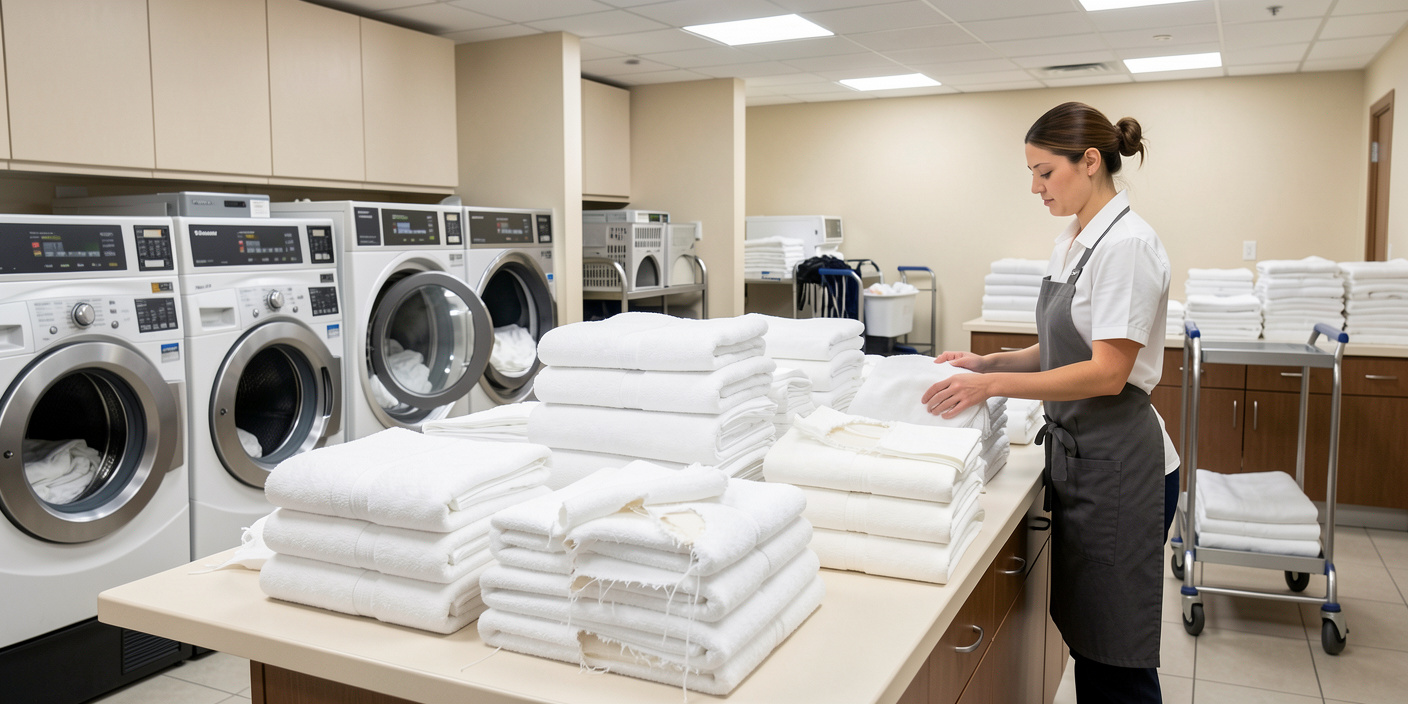
Laundering hotel linens consumes large amounts of water and energy. Improving washing practices is a key component of managing eco hotel linen programs.
Optimized Washing Temperatures
Using the correct washing temperatures helps maintain hygiene while reducing energy use. Many hotels now use advanced detergents that allow effective cleaning at lower temperatures.
Best practices include:
- Washing lightly soiled linens at lower temperatures
- Using high-efficiency commercial washers
- Avoiding overloading machines to maintain proper cleaning
These small adjustments significantly improve the sustainability of green hotel linen operations.
Linen Reuse Programs for Guests
One of the most recognized sustainability initiatives in hospitality is the hotel linen reuse program.
These programs encourage guests to reuse towels and bed linens rather than replacing them daily. Most travelers are familiar with the option of hanging towels to signal reuse or placing them in designated bins for replacement.
Benefits of Linen Reuse Programs
- Reduces water consumption
- Cuts down detergent and chemical usage
- Lowers energy consumption from washing and drying
- Extends the lifespan of sustainable hotel linen
Clear guest communication is essential for success. Informational cards or digital signage explaining the environmental impact can increase participation rates.
Extending the Life of Hotel Linens
Another key component of eco hotel linen management is maximizing linen lifespan. Replacing textiles frequently increases both costs and environmental waste.
Hotels can extend linen durability through better care and operational practices.
Proper Sorting and Handling
Sorting linens by fabric type and soil level prevents unnecessary wear during washing.
Important practices include:
- Separating heavily soiled items
- Avoiding bleach when possible
- Using appropriate wash cycles for each fabric type
Regular Quality Checks
Routine inspections help identify early signs of damage, allowing staff to repair or repurpose linens before they become unusable.
Many hotels convert older sheets into cleaning cloths or donate reusable textiles to charitable organizations—supporting the principles of sustainable hotel textiles.
Partnering With Sustainable Linen Suppliers
Choosing the right supplier plays a major role in building a successful eco hotel linen strategy.
Leading suppliers now offer environmentally responsible products designed specifically for hospitality use.
Look for vendors that provide:
- Certified organic hotel cotton products
- Transparent sourcing and manufacturing processes
- Durable green hotel linen designed for repeated commercial laundering
- Packaging and shipping practices that reduce environmental impact
Suppliers focused on sustainable hotel textiles often provide certifications such as:
- GOTS (Global Organic Textile Standard)
- OEKO-TEX® Standard 100
- Fair Trade textile certifications
These certifications ensure that products meet recognized environmental and ethical standards.
Reducing Waste Through Linen Recycling
Even with careful management, hotel linens eventually reach the end of their usable life. Instead of sending them to landfills, many hotels now implement textile recycling programs.
Examples include:
- Donating usable linens to shelters or disaster relief organizations
- Partnering with textile recycling companies
- Repurposing materials for cleaning rags or maintenance use
These initiatives help create a circular system where sustainable hotel linen continues to provide value even after its primary use.
Communicating Sustainability to Guests
Today’s travelers increasingly prefer environmentally responsible accommodations. Promoting your eco hotel linen practices can enhance guest engagement and strengthen brand reputation.
Hotels can communicate sustainability efforts through:
- In-room informational cards
- Sustainability sections on the hotel website
- Social media updates about eco-friendly initiatives
- Environmental certifications displayed in common areas
Guests appreciate transparency and often respond positively to hotels that actively reduce environmental impact.
The Future of Sustainable Hotel Linen
Sustainability in hospitality continues to evolve as technology and consumer expectations change. Innovations in sustainable hotel textiles include:
- Water-saving commercial laundry systems
- Biodegradable detergents
- Recycled fiber fabrics
- Smart linen tracking systems that reduce loss and waste
As these innovations become more accessible, adopting eco hotel linen practices will become a standard part of responsible hotel management.
Hotels that embrace these changes today will be better positioned to meet environmental goals, reduce operational costs, and appeal to the growing number of eco-conscious travelers.