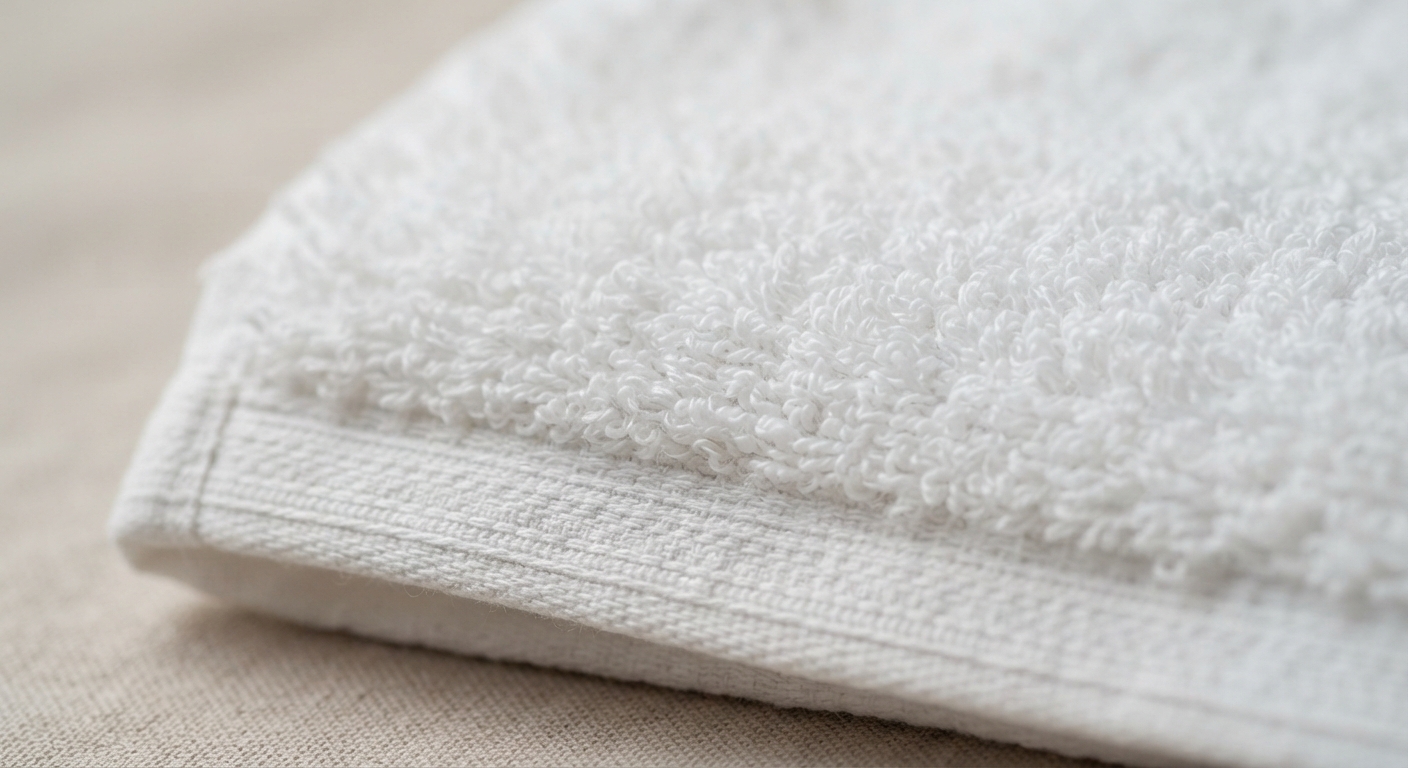
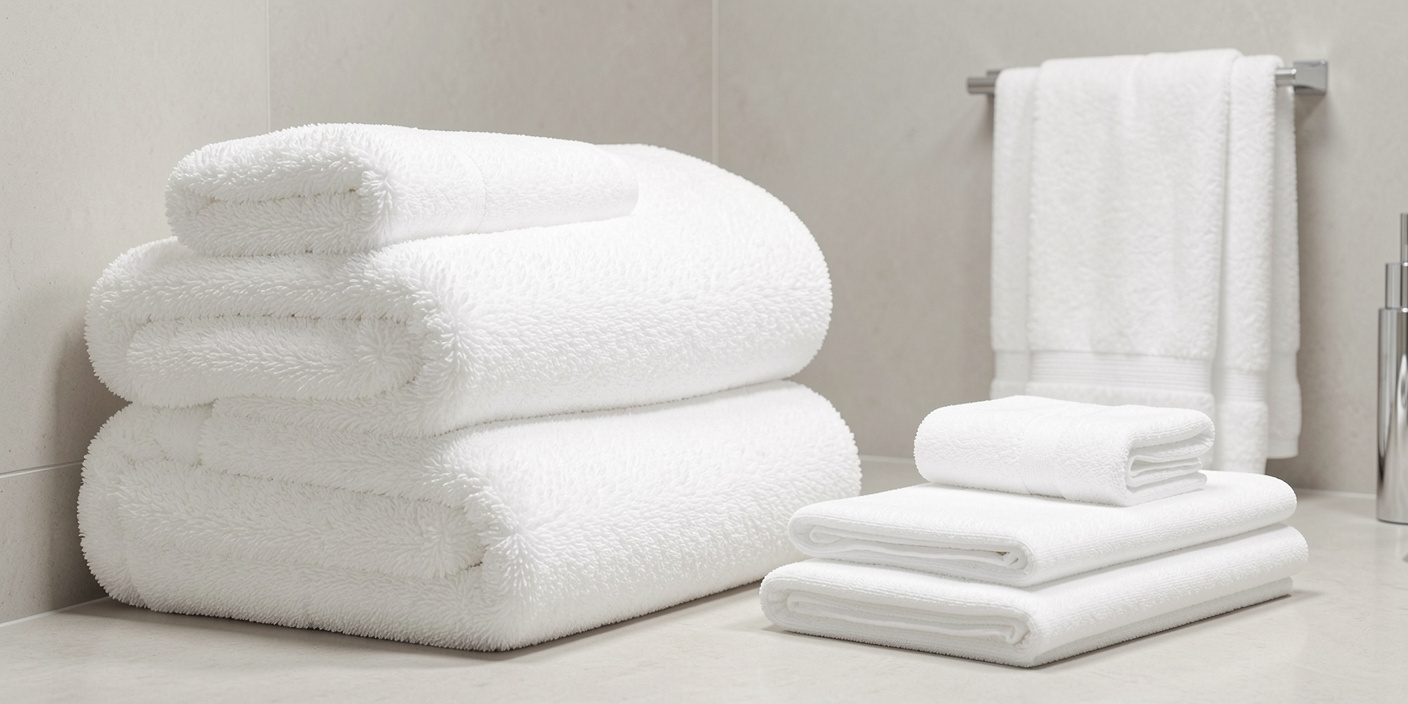
When stepping into a hotel bathroom, one of the first things guests notice is the towel—its softness, thickness, and overall feel. Many people assume that thicker towels automatically signal superior quality. But is that really the case? In reality, hotel towel quality depends on a range of factors beyond just thickness.
This blog explores whether thicker towels truly indicate better quality and what hotels actually consider when choosing the best towels for their guests.
Understanding Hotel Towel Quality
Hotel towel quality is determined by a combination of materials, construction, and maintenance. While thickness can contribute to comfort, it is only one piece of the puzzle.
Hotels prioritize towels that offer:
- High absorbency
- Long-lasting durability
- Softness after repeated washing
- Quick drying for operational efficiency
These factors often matter more than simply how thick a towel feels in your hand.
What Does Towel Thickness Really Mean?
Thickness in towels is usually associated with GSM (grams per square meter), which measures fabric density.
GSM Categories Explained
- 300–400 GSM: Lightweight, quick-drying towels
- 400–600 GSM: Medium weight, commonly used in hotels
- 600–900 GSM: Thick, plush, luxury towels
While higher GSM towels feel more luxurious, they are not always the most practical choice for hotels. Many hospitality professionals weigh comfort against functionality when deciding on hotel towel differences.
Why Thicker Towels Aren’t Always Better
It’s easy to assume thicker equals better, but that’s not always true in hospitality settings.
1. Absorbency Matters More Than Bulk
A thick towel that doesn’t absorb water efficiently fails its primary purpose. High-quality cotton fibers, especially long-staple varieties, often outperform bulkier but lower-quality materials.
2. Drying Time Impacts Operations
Thicker towels take longer to dry, which can slow down laundry cycles. Hotels need efficient turnover, making medium-weight towels a more practical choice.
3. Durability Can Vary
Heavy towels may feel luxurious initially, but they can wear out faster if not constructed well. Consistent hotel towel quality depends more on fiber strength and weaving techniques.
4. Guest Preferences Differ
Not all guests prefer ultra-thick towels. Some find them too heavy or difficult to handle, especially in humid environments.
Key Factors That Define Hotel Towel Quality
Instead of focusing only on thickness, hotels evaluate several important characteristics.
Material Quality
Cotton is the gold standard in hospitality. Egyptian and Turkish cotton are known for their softness and durability, making them popular in white hotel linen collections.
Weaving Technique
Towels can be woven in different ways:
- Ring-spun cotton: Smooth and durable
- Combed cotton: Softer and more refined
- Zero-twist yarn: Extra plush but less durable
Absorbency and Softness
The best towels strike a balance between softness and performance. A towel should feel comfortable while efficiently absorbing moisture.
Color and Presentation
Most hotels prefer white towels as part of their white hotel linen strategy. White conveys cleanliness and allows for easy bleaching and stain removal.
The Balance Between Luxury and Practicality
Luxury hotels often use thicker towels to enhance guest experience, but even they carefully select materials and construction. Mid-range hotels, on the other hand, may opt for medium-weight towels that offer durability and ease of maintenance without sacrificing comfort.
This balance is a common topic in hotel linen questions, where hospitality professionals weigh guest satisfaction against operational efficiency.
How Hotels Maintain Towel Quality
Even the highest-quality towel can lose its appeal without proper care. Effective hotel towel care plays a crucial role in maintaining softness and longevity.
Best Practices Include:
- Washing towels separately to avoid lint transfer
- Using mild detergents to preserve fibers
- Avoiding overuse of fabric softeners, which can reduce absorbency
- Proper drying techniques to maintain texture
Consistent care ensures that towels retain their original feel and performance over time.
Custom Hotel Linen and Towel Choices
Many hotels invest in custom hotel linen to align with their brand identity. This can include:
- Specific GSM ranges
- Custom stitching or borders
- Branded embroidery
Customization allows hotels to create a unique guest experience while maintaining consistent hotel towel quality across all rooms.
Comparing Hotel Towel Differences
Understanding hotel towel differences helps clarify why thickness isn’t everything.
| Feature | Thin Towels | Medium Towels | Thick Towels |
|---|---|---|---|
| Drying Speed | Fast | Moderate | Slow |
| Absorbency | Moderate | High | High (if quality) |
| Durability | Moderate | High | Varies |
| Guest Comfort | Basic | Comfortable | Luxurious feel |
As shown, medium-weight towels often provide the best balance for most hotels.
Final Verdict: Does Thickness Equal Quality?
The idea that thicker towels always mean better hotel towel quality is a misconception. While thickness can enhance the perception of luxury, true quality depends on:
- Material and fiber type
- Construction and weaving
- Absorbency and performance
- Proper maintenance
Hotels that focus on these factors deliver a better overall guest experience, regardless of towel thickness.
Conclusion
Choosing the right towel is about more than just appearance. Hotels carefully evaluate multiple factors to ensure they provide comfort, durability, and efficiency. While thick towels can feel indulgent, they are not the sole indicator of superior hotel towel quality.
For hospitality professionals and guests alike, understanding these nuances helps set realistic expectations and highlights what truly makes a towel exceptional.