
In the hospitality industry, linen plays a bigger role than many guests realize. From the crisp sheets on a bed to the plush towels in a bathroom, hotel linen directly affects comfort, hygiene, and brand perception. Yet for many hoteliers, operators, and even suppliers, the language surrounding linen can feel confusing.
Understanding hotel linen terminology is essential for making informed purchasing decisions, maintaining quality standards, and communicating effectively with vendors. This guide breaks down common terms in simple language, helping hospitality professionals navigate the world of hotel linen with confidence.
What Is Hotel Linen?
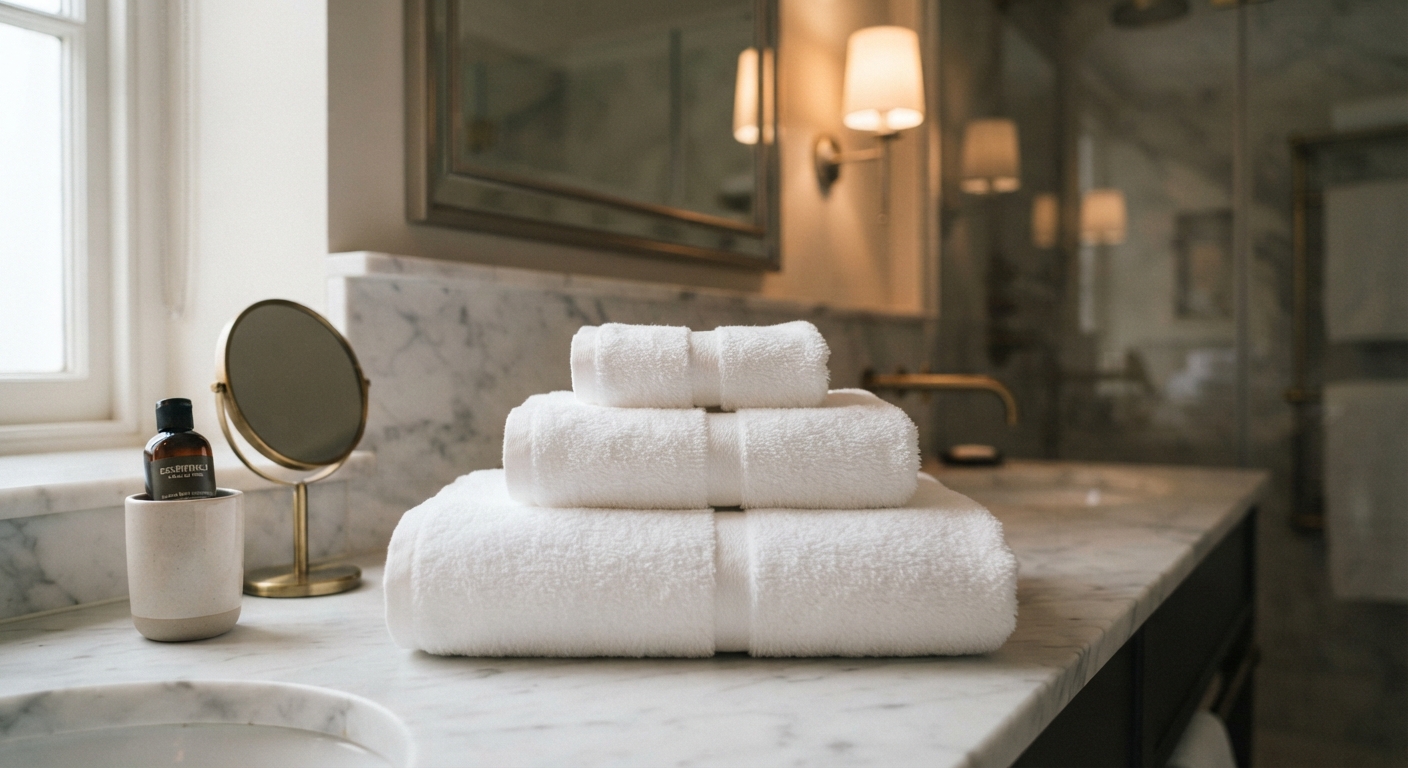
Hotel linen refers to all fabric-based items used in guest rooms, bathrooms, dining areas, and service operations within a hotel or hospitality property. Unlike household textiles, hotel linen is designed for frequent washing, heavy use, and strict hygiene requirements.
Hotel linen must balance comfort with durability. That’s why most properties rely on commercial grade linen, which is engineered to withstand daily laundering while maintaining appearance and performance over time.
Common Hotel Linen Items Used in Hospitality
Understanding standard hotel linen items helps streamline purchasing and inventory management. Below are the most commonly used categories.
Bed Linen
Bed linen includes all textile items used on a hotel bed:
- Bed sheets (flat and fitted)
- Pillowcases
- Duvet covers
- Bed runners and decorative covers
These items are often measured by thread count, fabric type, and weave, all of which affect feel and longevity.
Bath Linen
Bath linen focuses on guest comfort and absorbency:
- Bath towels
- Hand towels
- Face towels
- Bath mats
- Bathrobes
Hotels typically choose thicker, highly absorbent fabrics that maintain softness after repeated washes.
Table Linen
Used in dining and banquet areas, table linen includes:
- Tablecloths
- Napkins
- Placemats
- Skirting
These items are usually stain-resistant and designed to hold shape and color under commercial laundering.
Key Hotel Linen Terminology Explained
Below are essential hotel linen terminology terms every hospitality professional should understand.
Thread Count
Thread count refers to the number of threads woven into one square inch of fabric. While higher thread count can indicate softness, it’s not the only measure of quality. In hotels, a moderate thread count with strong fibers often performs better than ultra-high counts.
GSM (Grams per Square Meter)
GSM measures fabric weight. For towels, higher GSM means thicker and more absorbent material. For sheets, a balanced GSM ensures durability without feeling heavy.
Weave Types
- Percale Weave: Crisp, cool, and lightweight
- Sateen Weave: Smooth, slightly glossy, and softer to the touch
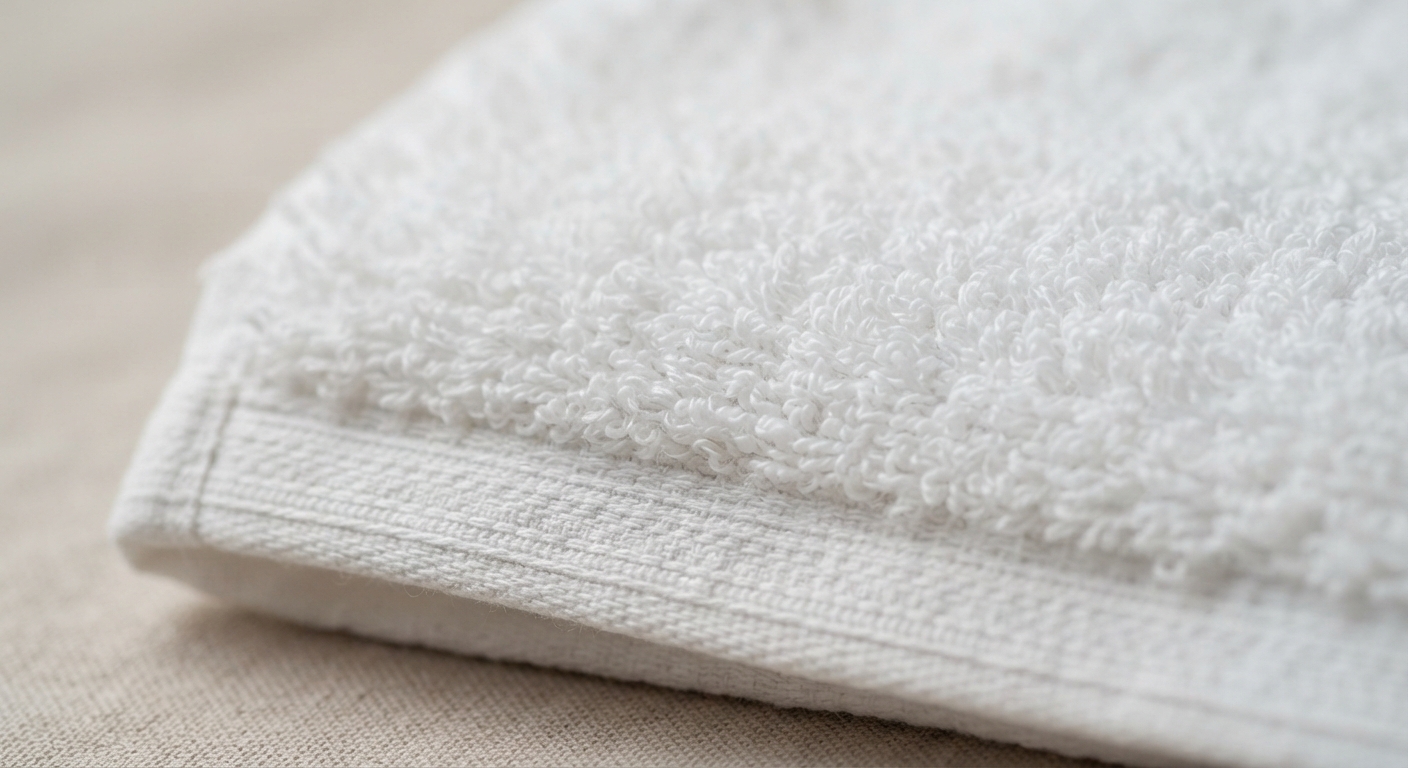
- Terry Weave: Loop-pile fabric used in towels for absorbency
Understanding weave types helps hotels choose linen that matches their brand experience.
Ply
Ply refers to how many yarns are twisted together. Single-ply yarns are common in quality hotel linen because they’re smoother and stronger than multi-ply alternatives.
Hotel Home Linen vs Commercial Grade Linen
One of the most misunderstood concepts in hospitality is the difference between hotel home linen and commercial-grade options.
Hotel home linen is often inspired by luxury household textiles, offering softness and visual appeal. However, commercial grade linen is specifically manufactured for high-volume use, frequent washing, and industrial cleaning processes.
Commercial grade linen:
- Resists shrinking and tearing
- Holds color longer
- Maintains shape after repeated laundering
- Reduces long-term replacement costs
For most hotels, commercial-grade products provide better value and consistency.
Fabric Types Commonly Used in Hotel Linen
Different fabrics serve different purposes across hotel operations.
Cotton
The most popular choice due to breathability and comfort. Long-staple cotton offers improved strength and softness.
Cotton-Polyester Blends
Blends reduce wrinkling and improve durability, making them ideal for high-turnover environments.
Microfiber
Used occasionally for specific applications, microfiber is lightweight and quick-drying, though less breathable than cotton.
Why Hotel Linen Terminology Matters
Clear understanding of hotel linen terminology helps hospitality professionals:
- Compare supplier offerings accurately
- Avoid overpaying for unnecessary specifications
- Maintain consistent guest experience
- Improve communication with procurement and laundry teams
When terminology is misunderstood, hotels risk buying products that don’t match operational needs or brand expectations.
How to Choose the Right Hotel Linen
When selecting linen, hotels should consider:
- Guest comfort expectations
- Frequency of laundering
- Climate and location
- Brand positioning
- Budget and replacement cycles
By understanding both what is hotel linen and how terminology affects performance, hotels can make smarter, long-term decisions.
Final Thoughts
Hotel linen is more than just fabric, it’s a functional investment that impacts guest satisfaction and operational efficiency. By mastering essential hotel linen terminology, hospitality professionals can confidently select, manage, and maintain the right products for their property.
Whether you’re sourcing hotel linen items, comparing hotel home linen, or investing in commercial grade linen, clarity in terminology ensures better outcomes for both guests and operations.