Understanding hotel linen replacement is not just about appearance, it’s about performance, hygiene, and long-term value. In this guide, we’ll explore the key indicators that your linens need replacing and how to manage their lifecycle effectively.
Why Timely Hotel Linen Replacement Matters
Delaying hotel linen replacement can lead to:
- Negative guest reviews
- Increased housekeeping complaints
- Higher long-term costs due to reactive purchasing
- Damage to brand perception
Linens naturally degrade over time due to frequent laundering, chemical exposure, and heavy daily use. Monitoring hotel linen durability helps you make proactive replacement decisions instead of waiting for guest dissatisfaction to force your hand.
1. Visible Fabric Thinning
One of the earliest and most common signs of wear is thinning fabric.
Hold sheets or towels up to the light. If you can see through them more easily than before, the fibers have weakened. Thinning areas often appear:
- In the center of bed sheets
- Along towel folds
- Around pillowcase edges
This usually results from repeated hotel linen wash cycles combined with heat drying and detergent exposure.
Why It Matters
Thinned fabric tears easily, reducing safety and increasing replacement frequency. Once fibers weaken, deterioration accelerates quickly.
2. Persistent Stains That Won’t Lift
Some stains eventually become permanent—even after proper treatment. When:
- Whitening treatments no longer restore brightness
- Yellowing becomes noticeable
- Gray dullness remains after washing
It’s often time to consider hotel linen replacement.
Over-bleaching in an attempt to restore brightness can actually shorten hotel linen durability, causing fibers to break down faster.
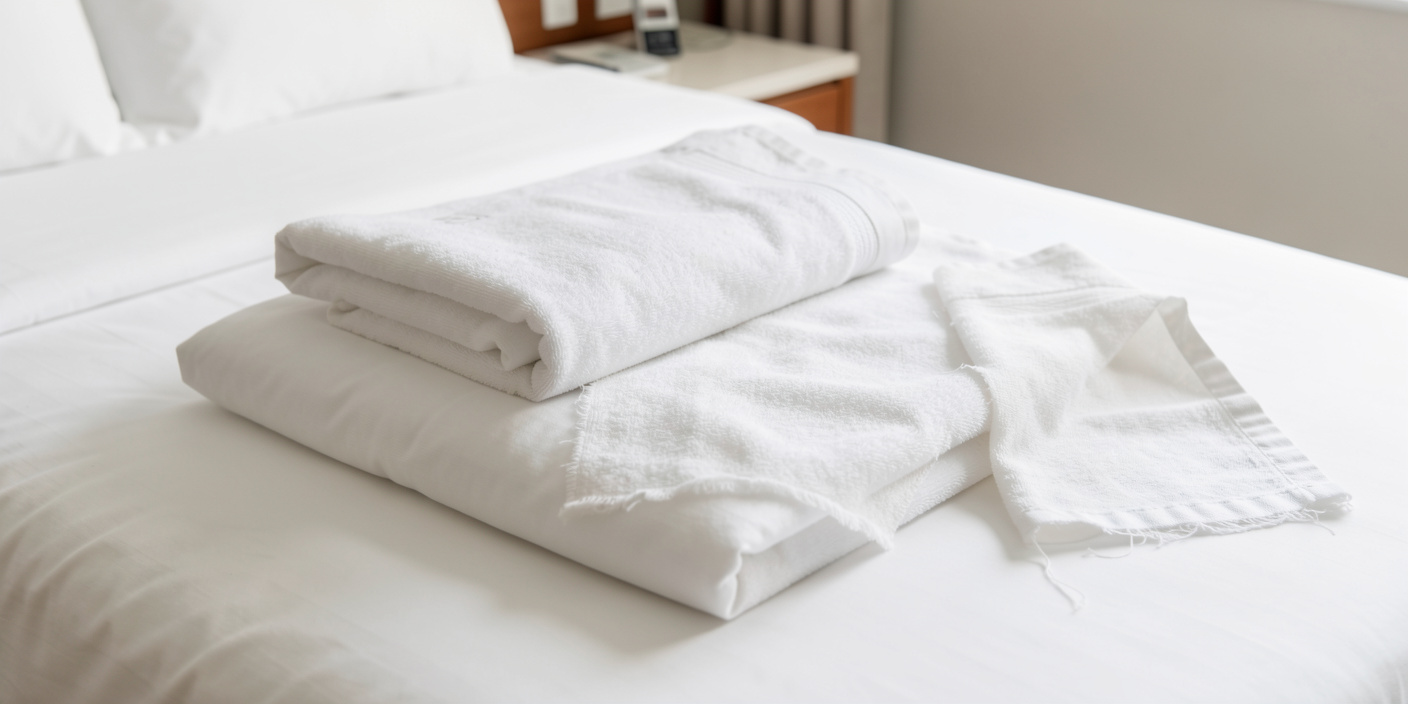
3. Fraying Edges and Loose Threads
Inspect hems and seams carefully. Frayed edges and loose stitching are clear structural warning signs.
Common trouble areas include:
- Towel borders
- Sheet corners
- Duvet cover closures
These weak points expand quickly during commercial washing. Once hems fail, the fabric begins to unravel, accelerating the need for replacement.
4. Loss of Softness and Texture
Guest comfort is heavily influenced by feel. If towels become rough or sheets lose their smooth finish, it impacts the overall experience.
This often relates to:
- Hard water mineral buildup
- Fiber breakdown
- Excessive high-heat drying
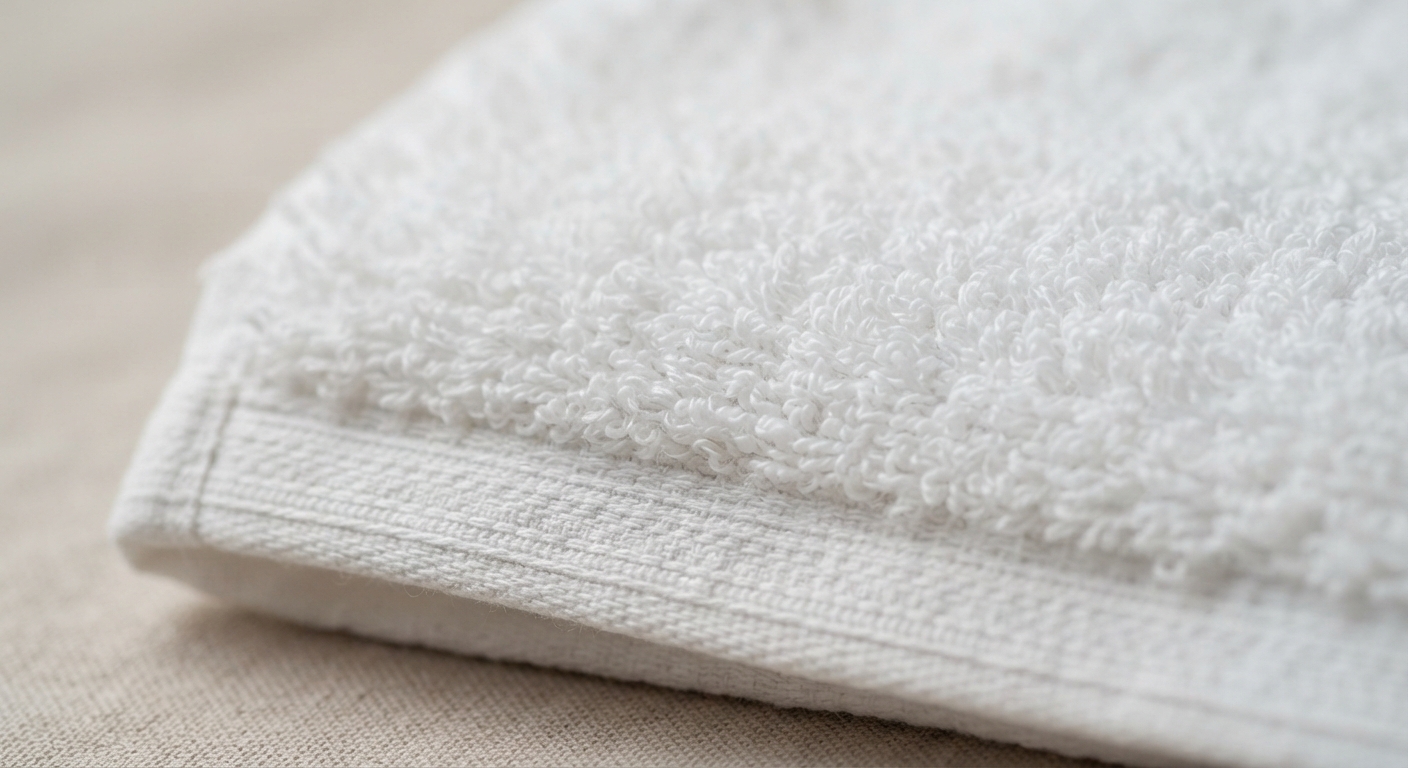
Understanding towel durability factors, such as fabric composition, GSM weight, and laundering conditions, helps determine whether roughness is temporary or a sign that replacement is necessary.
If softness cannot be restored through proper washing adjustments, it may be time for hotel linen replacement.
5. Reduced Absorbency in Towels
Towels that no longer absorb moisture effectively are a major guest complaint.
Signs include:
- Water beading on the surface
- Towels feeling damp instead of drying quickly
- Guests requesting additional towels
Absorbency loss is a key indicator in evaluating hotel towels lifespan. As cotton fibers break down, they lose the ability to trap and hold water efficiently.
When performance declines, not just appearance, replacement becomes essential.
6. Frequent Small Tears
Small tears may seem minor at first, but they often multiply quickly in commercial laundry systems.
High extraction speeds and heavy loads can expand tiny weaknesses into large rips within a few wash cycles.
If repairs become frequent or housekeeping begins discarding items daily, your replacement cycle may already be overdue.
7. Fading and Uneven Color
Even white linens can fade, shifting from bright white to dull gray or yellow. Colored linens may lose vibrancy, creating inconsistency across rooms.
Fading typically results from:
- Repeated chemical exposure
- High-temperature drying
- Aggressive wash formulas
While some fading is cosmetic, visible discoloration can signal deeper fiber breakdown that justifies hotel linen replacement.
8. Declining Inventory Turnover Efficiency
Operational signs can be just as important as physical ones.
Ask yourself:
- Are linens cycling out faster than planned?
- Is housekeeping reporting shortages?
- Are emergency purchases increasing?
When replacement becomes reactive rather than scheduled, costs rise significantly.
Properties that rely on cheap hotel towels often experience shorter replacement intervals due to lower initial quality. While upfront savings may seem attractive, long-term replacement frequency can offset the cost advantage.
How to Extend Linen Life Before Replacement
Before replacing inventory, review these key maintenance factors:
Optimize Wash Cycles
Adjusting your hotel linen wash program can extend lifespan:
- Avoid excessive bleach use
- Use appropriate water temperatures
- Prevent overloading washers
- Monitor detergent strength
Invest in Quality from the Start
Higher-quality textiles typically offer better hotel linen durability, reducing overall replacement frequency.
When evaluating suppliers, consider:
- Fabric composition (100% cotton vs blends)
- Stitch quality
- Reinforced hems
- GSM weight
Better construction often translates into longer service life and improved cost efficiency over time.
Establishing a Replacement Schedule
Rather than waiting for visible deterioration, create a proactive schedule based on average usage.
For example:
- Sheets may last 200–300 commercial washes
- Towels typically align with average hotel towels lifespan benchmarks, depending on usage and quality
- Decorative items may require more frequent replacement due to aesthetic standards
Tracking wash counts and inventory cycles helps predict hotel linen replacement timing more accurately.
Final Thoughts: Protecting Guest Experience Through Smart Replacement
Hotel linens are more than operational supplies, they are a visible reflection of your brand.
Recognizing early warning signs like thinning fabric, fraying edges, absorbency loss, and fading ensures that hotel linen replacement happens before guest satisfaction declines.
By understanding towel durability factors, monitoring hotel linen wash practices, and investing in quality products instead of relying solely on cheap hotel towels, properties can balance cost control with premium guest comfort.
A proactive replacement strategy protects your reputation, improves operational efficiency, and ultimately enhances the guest experience.