In the hospitality industry, every detail matters, especially when it comes to guest comfort and sustainability. One of the most important choices hotels make today is selecting the right fabric for their linens. As sustainability becomes a priority, many hoteliers are asking: should they choose organic or conventional cotton?
This guide breaks down the differences between the two, helping you understand why organic hotel cotton is becoming a preferred choice in modern hospitality.

What Is Organic Hotel Cotton?
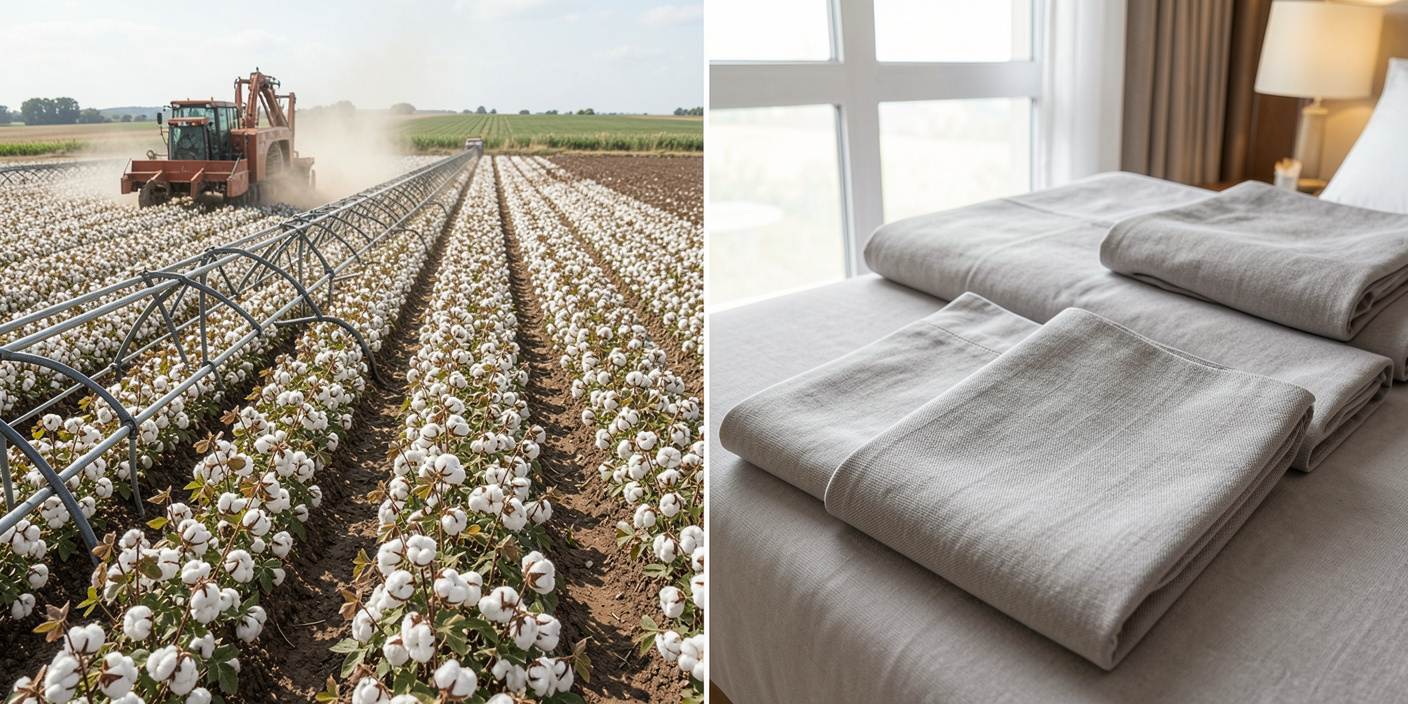
Organic hotel cotton is grown without the use of synthetic pesticides, herbicides, or genetically modified organisms (GMOs). Instead, it relies on natural farming methods like crop rotation, composting, and biological pest control.
For hotels aiming to adopt sustainable hotel linen, organic cotton offers a cleaner, greener alternative that aligns with eco-conscious guest expectations.
Key Features of Organic Cotton:
- No harmful chemicals in cultivation
- Lower environmental impact
- Safer for farmers and workers
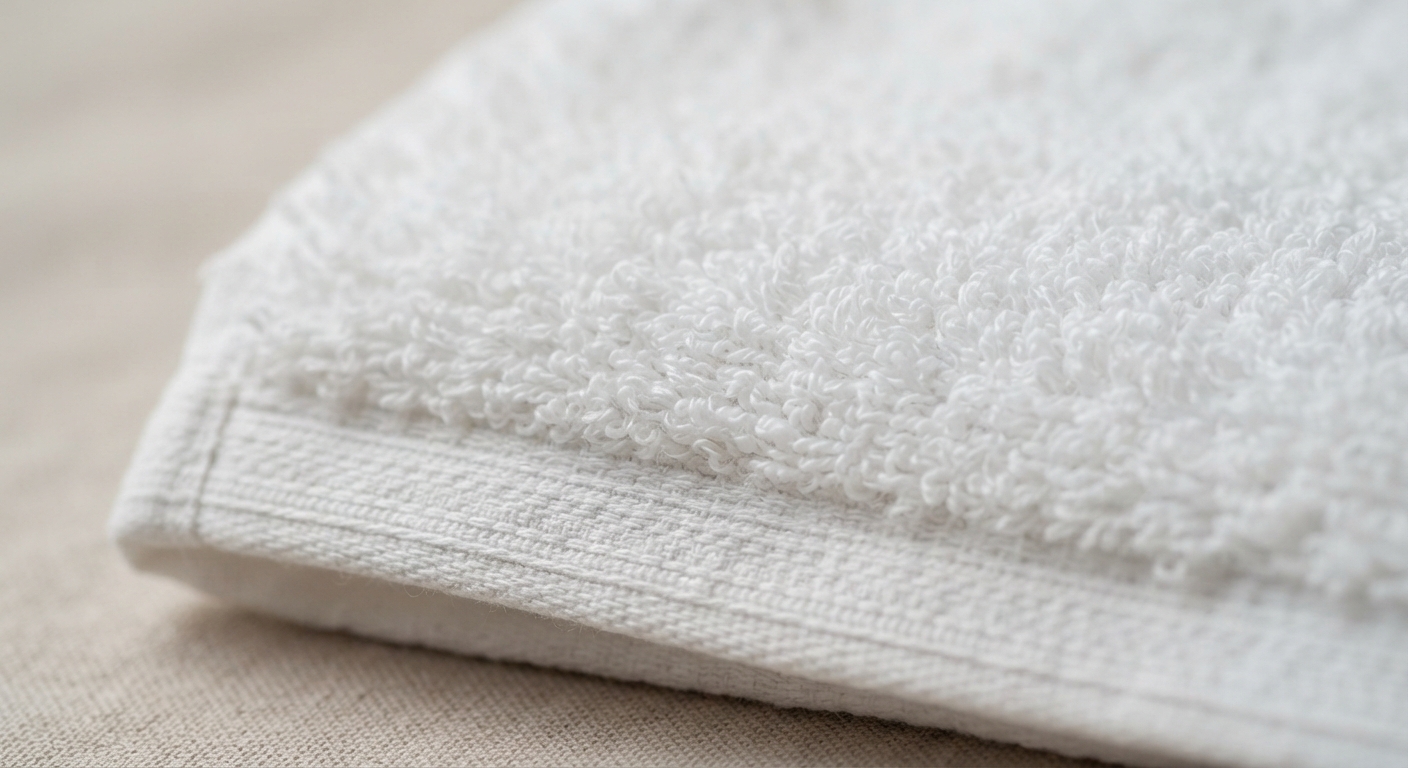
- Naturally soft and breathable fibers
What Is Conventional Cotton?
Conventional cotton is grown using chemical fertilizers, pesticides, and intensive irrigation methods. While it is widely available and often less expensive, it comes with environmental and health concerns.
Key Characteristics:
- High water consumption
- Heavy use of synthetic chemicals
- Faster, large-scale production
- Lower upfront cost
Despite its affordability, conventional cotton can conflict with a hotel’s long-term sustainability goals, especially for those focusing on eco hotel linen initiatives.
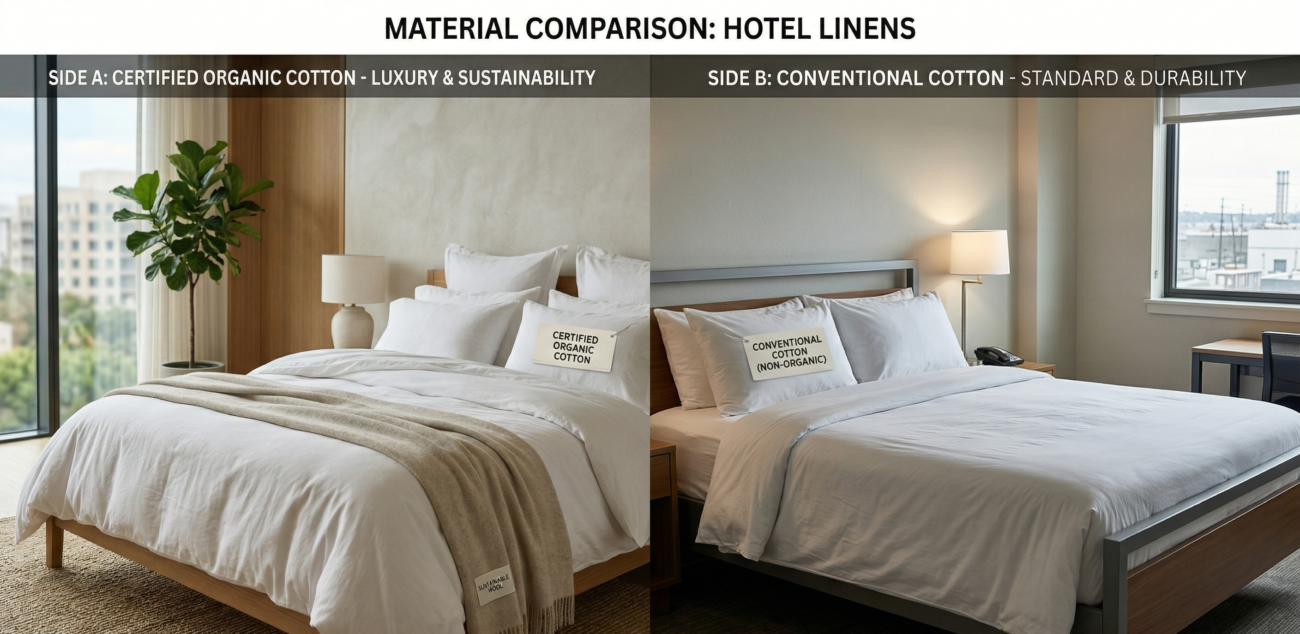
Organic vs Conventional Cotton: Key Differences
1. Environmental Impact
Organic cotton is significantly more eco-friendly. It uses less water and avoids toxic chemicals that pollute soil and waterways. This makes it a cornerstone of green hotel linen strategies.
In contrast, conventional cotton farming contributes to soil degradation and water contamination, making it less suitable for sustainable hotel textiles programs.
2. Guest Comfort and Quality
Organic cotton fibers are not exposed to harsh chemicals, which helps preserve their natural softness. This results in linens that feel smoother and more breathable, enhancing guest comfort.
Conventional cotton, while still soft, may lose some of its natural quality due to chemical processing.
3. Durability and Longevity
Organic cotton is often more durable because its fibers remain intact during processing. This means hotel linens last longer, reducing replacement frequency and supporting hotel linen reuse strategies.
Conventional cotton may wear out faster due to chemical treatments weakening the fibers over time.
4. Health and Safety
Organic cotton is hypoallergenic and free from chemical residues, making it ideal for guests with sensitive skin. It also ensures safer working conditions for farmers and textile workers.
Conventional cotton, on the other hand, may retain traces of pesticides and chemicals, which can affect both users and producers.
5. Cost Considerations
One of the biggest differences lies in cost. Organic cotton typically has a higher upfront price due to more labor-intensive farming methods and certification processes.
However, when considering durability, brand value, and sustainability benefits, organic hotel cotton often provides better long-term value for hotels.
Why Hotels Are Switching to Organic Cotton
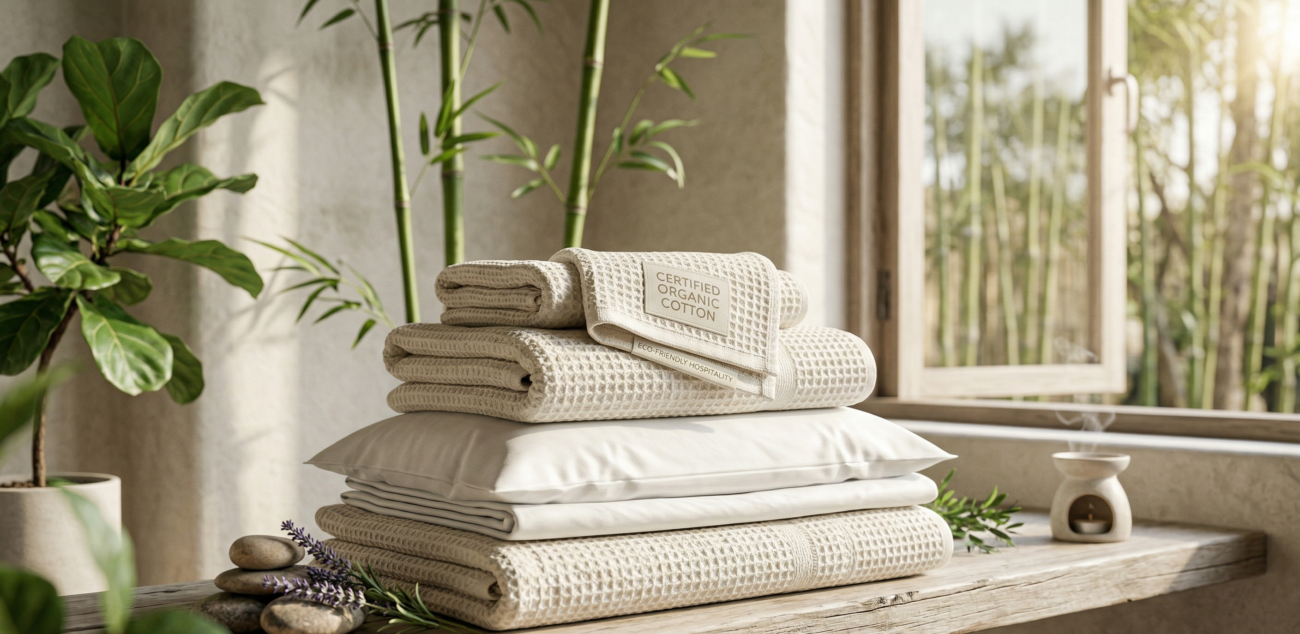
The hospitality industry is undergoing a shift toward sustainability, and linen choices play a major role. Hotels are increasingly investing in eco hotel linen solutions to meet both environmental goals and guest expectations.
Key Reasons for the Shift:
- Growing demand for eco-friendly accommodations
- Alignment with global sustainability standards
- Enhanced brand reputation
- Long-term cost savings through durability
By incorporating organic cotton into their operations, hotels contribute to a broader movement toward sustainable hotel textiles.
The Role of Organic Cotton in Sustainable Hotel Linen
Choosing organic cotton is more than just a material decision, it’s a commitment to sustainability. It supports:
- Reduced environmental footprint
- Ethical supply chains
- Improved guest satisfaction
- Efficient hotel linen reuse practices
When integrated with other initiatives like energy-efficient laundry systems and recycling programs, organic cotton becomes a key component of a comprehensive sustainable hotel linen strategy.
Is Organic Cotton Worth It for Hotels?
While conventional cotton may seem cost-effective initially, it often falls short in sustainability, durability, and brand value. Organic cotton, though more expensive upfront, delivers long-term benefits that align with modern hospitality trends.
Hotels that prioritize green hotel linen not only reduce their environmental impact but also attract eco-conscious travelers, a rapidly growing market segment.
Final Thoughts
The choice between organic and conventional cotton ultimately depends on your hotel’s priorities. However, as sustainability becomes a defining factor in hospitality, organic hotel cotton stands out as the smarter, future-focused option.
By investing in organic cotton, hotels can enhance guest comfort, support ethical practices, and contribute to a more sustainable industry, all while strengthening their brand identity.