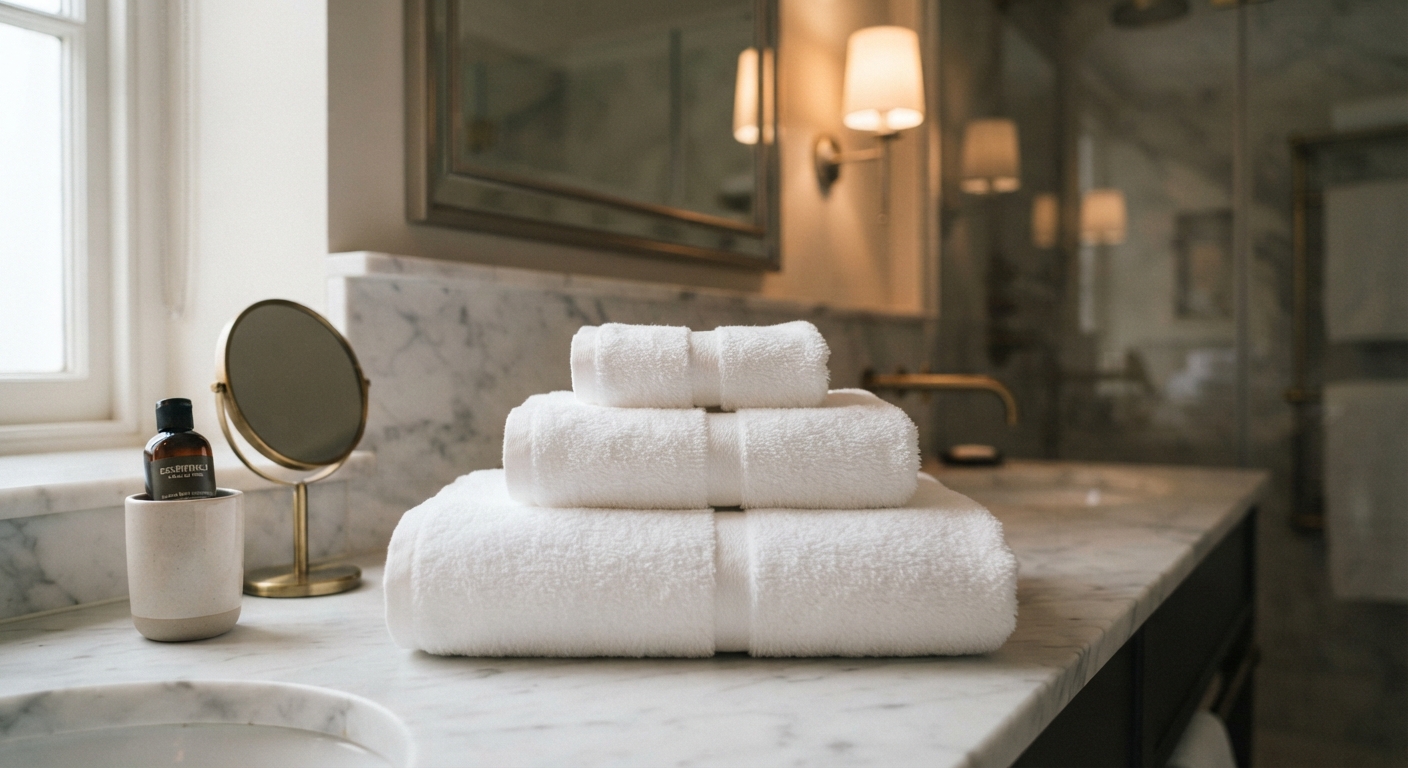
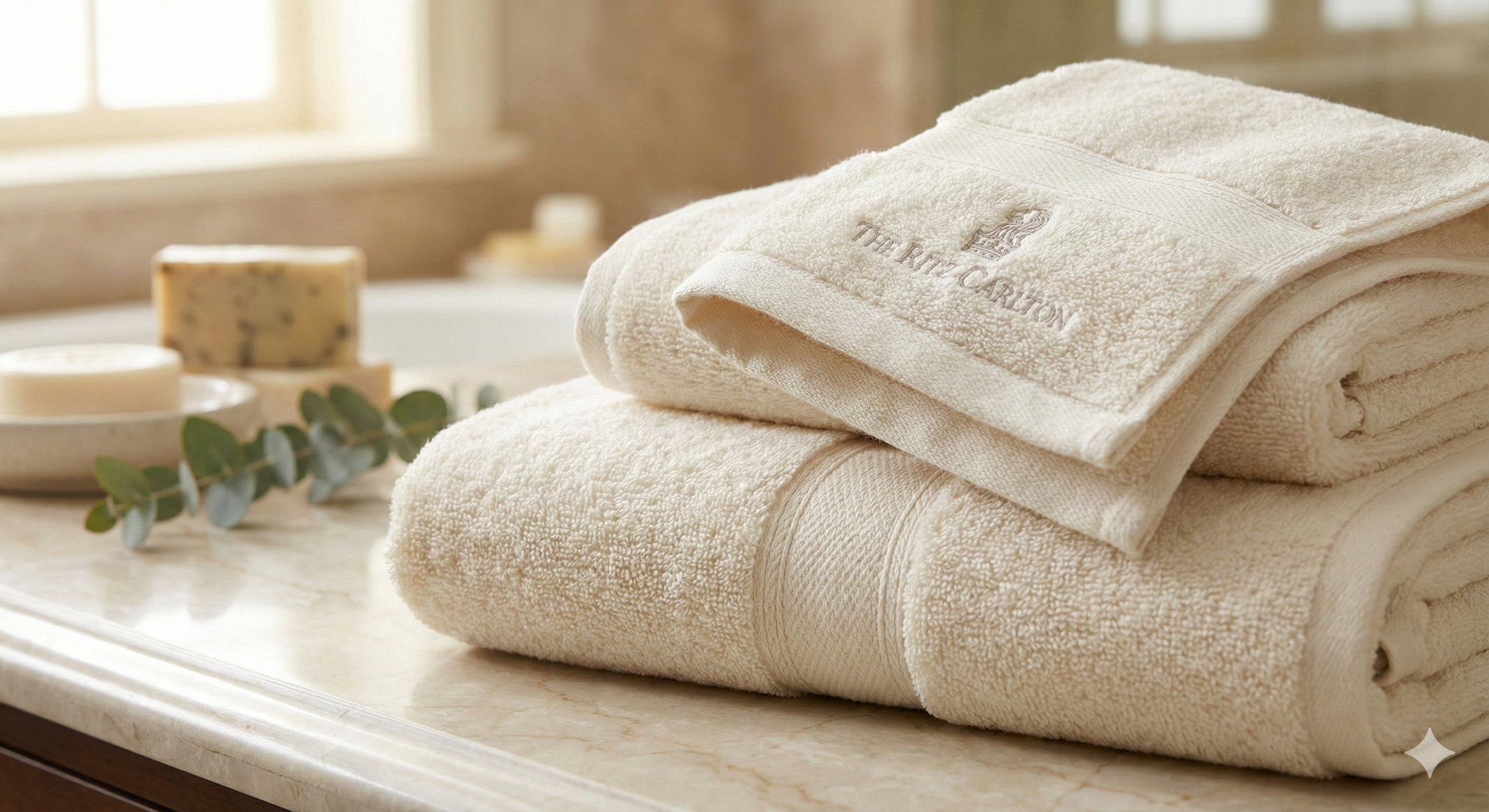
In the hospitality industry, towels are more than simple bathroom essentials—they are a direct reflection of a hotel’s quality standards. Guests may forget the room décor or furniture layout, but they always remember how a towel felt against their skin. Softness, absorbency, and thickness matter, but above all, hotel towel durability determines whether those qualities last after hundreds of washes.
Unlike household towels, hotel towels face extreme usage conditions. They are used by different guests daily, washed in industrial machines, dried at high temperatures, and exposed to chemicals such as detergents and disinfectants. Because of this, choosing durable towels is not just about comfort—it is about operational efficiency, cost control, and brand reputation.
This article explains in detail what truly makes hotel towels durable, covering materials, construction, weight, and care practices that hospitality professionals should understand before investing.
Why Hotel Towel Durability Is a Critical Hospitality Factor
Durability directly affects both guest experience and hotel operations. When towels lose their thickness, become rough, or develop frayed edges, guests notice immediately. Worn-out towels create an impression of poor hygiene and cost-cutting, even if the rest of the room meets luxury standards.
From an operational perspective, low-durability towels increase replacement frequency, raise laundry costs, and create inconsistency across rooms. Hotels that invest in durable towels benefit from longer product life cycles, better inventory control, and improved guest satisfaction.
Durable towels also support sustainability goals by reducing textile waste, water consumption, and carbon footprint associated with frequent replacements.
The Foundation of Durability: Fiber Quality
The durability of a towel begins at the fiber level. The quality, length, and strength of fibers determine how well the towel performs under stress.
Cotton as the Preferred Fiber
Cotton is the most widely used material for hotel towels due to its natural absorbency, breathability, and comfort. However, not all cotton towels offer the same durability. The length of the cotton fiber plays a crucial role.
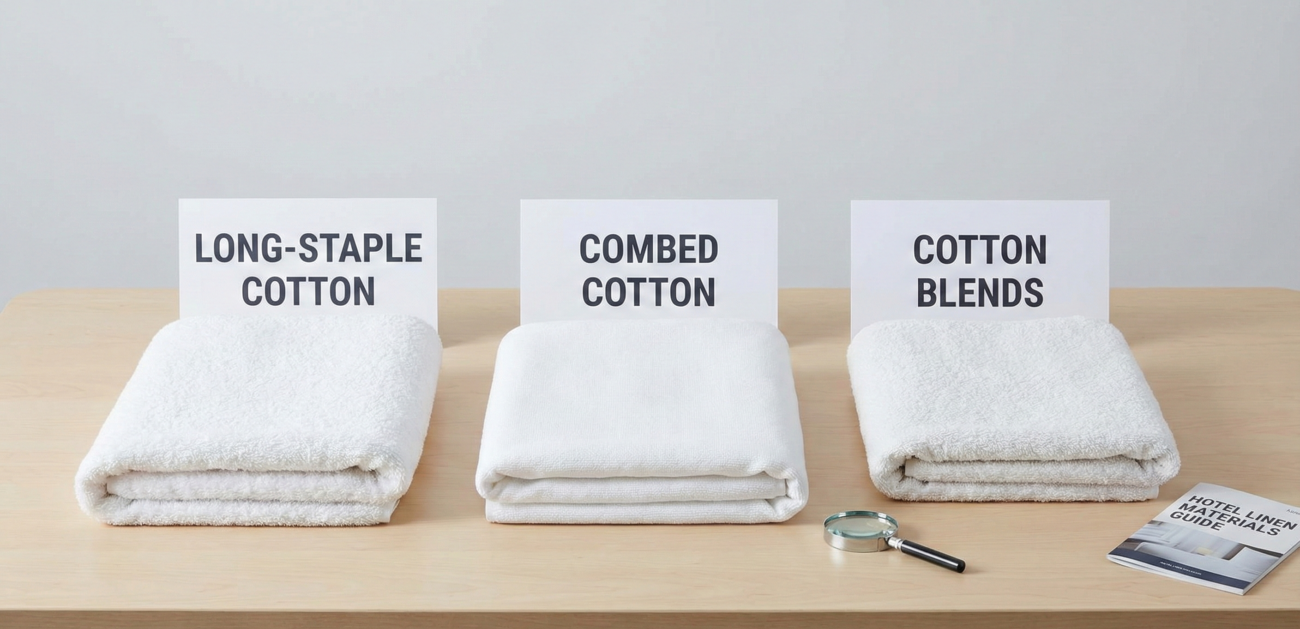
Long-staple cotton fibers are stronger and more resistant to breakage. They produce smoother yarns that can withstand repeated washing and drying without losing integrity. Towels made from long-staple cotton maintain their softness and appearance far longer than those made from short-staple fibers.
Combed Cotton for Commercial Use
Combed cotton undergoes an additional refining process that removes short fibers and impurities. This results in stronger yarns with fewer weak points. For hotels, combed cotton towels are a smart investment because they retain softness while offering superior durability in high-use environments.
Blended Fibers and Their Role
Some commercial towels use cotton blended with synthetic fibers to enhance durability and drying speed. These blends are often used in gyms, spas, and pool areas where towels are washed multiple times a day. While blended towels may feel slightly less luxurious, they perform well in areas with extreme usage demands.
Yarn Construction and Its Impact on Longevity
Beyond fiber type, the way yarns are spun significantly affects towel durability.
Low-twist yarns feel very soft initially but may break down faster under industrial laundering. High-twist yarns are stronger but can feel less plush. The most durable hotel towels strike a balance—offering enough twist for strength while maintaining softness for guest comfort.
Consistent yarn thickness also ensures even wear, preventing thin spots that can lead to tearing over time.
Towel Weaves That Enhance Durability
The weave structure determines how well a towel holds together over time.
Terry Loop Construction
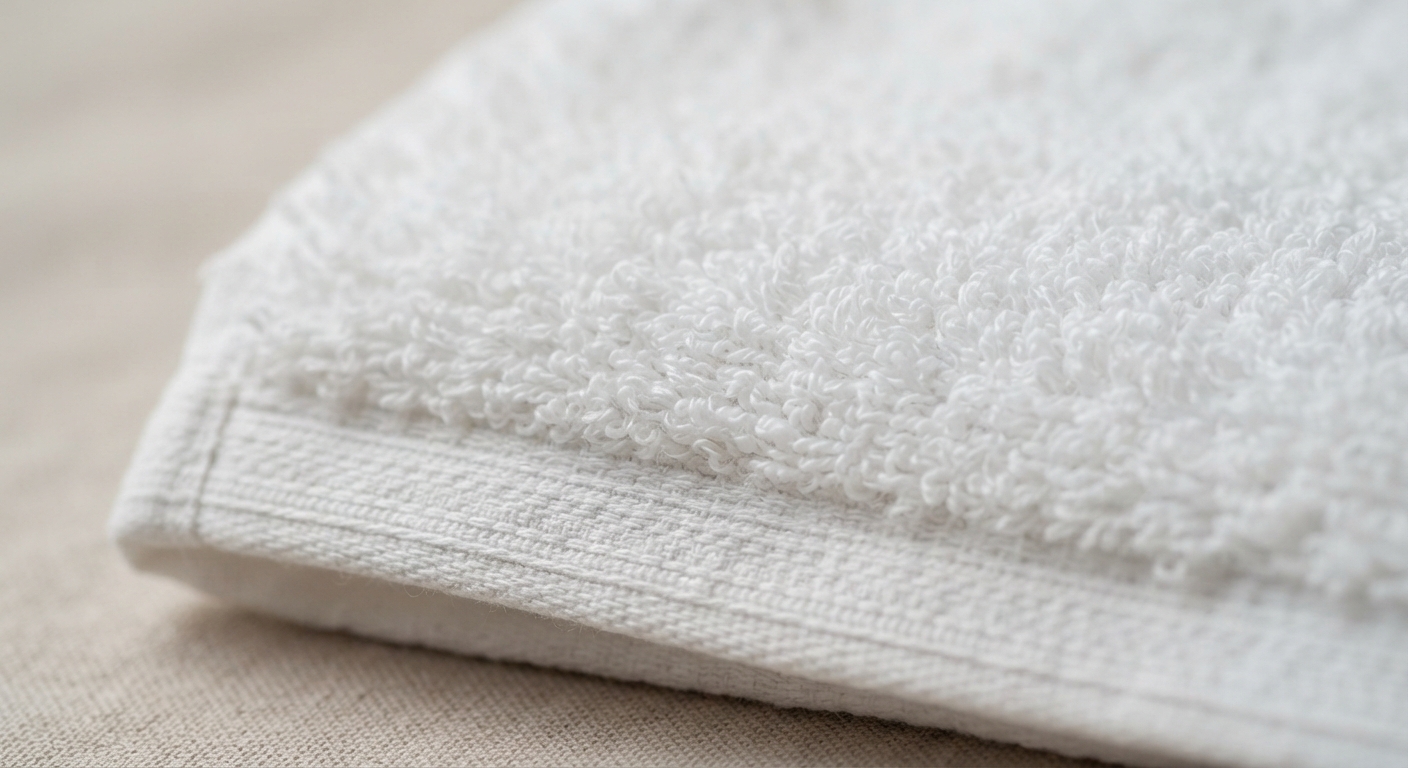
Most hotel towels use terry loops, which are designed to increase surface area and absorbency. For durability, loops must be tightly woven and evenly spaced. Loose loops are more likely to snag, pull, and flatten during washing.
Reinforced Edges and Hemming
Edges are the first areas to show wear. Durable hotel towels feature reinforced hems with double or lock stitching. This prevents unraveling and significantly extends the towel’s usable life, even with frequent industrial laundering.
Density and Loop Height
Higher density towels with balanced loop height maintain structure better than loosely woven towels. Proper density ensures the towel retains its shape, thickness, and absorbency after repeated use.
GSM: Understanding Weight and Performance
GSM (grams per square meter) is one of the most important indicators of towel durability and performance.
Lower GSM towels are lighter and dry quickly, making them suitable for budget hotels or fitness centers. However, they may wear out faster if used in guest rooms.
Mid-range GSM towels provide a balance of absorbency, softness, and durability, making them ideal for most hotels.
High GSM towels are thick, plush, and luxurious. They are commonly used in premium hotels and resorts where guest comfort is a top priority. When paired with proper care, high GSM towels can offer excellent durability despite their softness.
Choosing the right GSM ensures towels perform well without overloading laundry systems or increasing energy costs.
Industrial Laundering and Its Effect on Towels
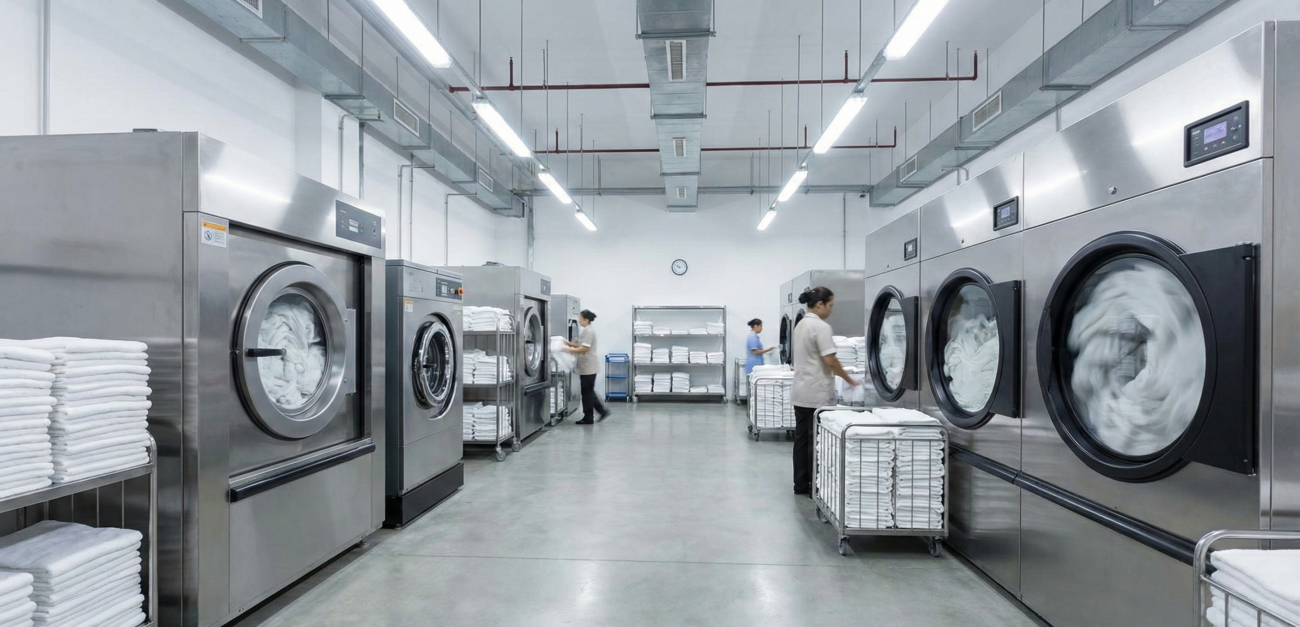
Hotel towels are subjected to conditions far harsher than domestic laundering. High water temperatures, strong detergents, and high-speed extraction can weaken fibers over time if towels are not designed for commercial use.
Durable hotel towels are manufactured specifically to withstand:
- Repeated hot washes
- Heavy-duty detergents
- High mechanical action
- Continuous tumble drying
Hotels that use household-grade towels often experience faster deterioration and inconsistent quality across rooms.
Proper Care Practices That Extend Towel Life
Even the most durable towels require correct care to maintain performance.
Using mild, hotel-grade detergents helps preserve fiber strength. Excessive bleach weakens cotton fibers and reduces towel lifespan. Fabric softeners should be avoided, as they coat fibers and reduce absorbency.
Drying towels at moderate temperatures prevents fiber damage and excessive shrinkage. Overdrying is one of the most common causes of premature towel wear in hotels.
Establishing consistent laundry protocols across departments ensures uniform quality and extends towel lifespan.
Durability, Cost Efficiency, and Sustainability
Durable towels may have a higher initial cost, but they offer better value over time. Fewer replacements mean lower long-term expenses and reduced environmental impact.
Hotels focusing on durable textiles demonstrate commitment to sustainability, which resonates strongly with modern, eco-conscious travelers.
How Durable Towels Improve Brand Perception
Guests associate towel quality with overall hotel standards. Thick, soft, well-maintained towels reinforce the perception of cleanliness, comfort, and professionalism.
Consistent towel quality across rooms enhances trust and encourages repeat stays. Durable towels help hotels deliver that consistency without constant reinvestment.
Final Conclusion
Hotel towel durability is the result of thoughtful material selection, strong yarn construction, proper weaving techniques, balanced GSM, and correct care practices. When these elements work together, towels maintain their softness, absorbency, and appearance despite intensive use.
For hotels, investing in durable towels is not simply a purchasing decision—it is a long-term strategy that supports guest satisfaction, operational efficiency, and brand excellence.
FAQs
1. What makes a hotel towel durable?
Durable hotel towels are made from high-quality fibers like long-staple or combed cotton, feature strong yarns, tight terry loops, reinforced edges, and are properly cared for in industrial laundering.
2. Does fiber type affect towel durability?
Yes. Long-staple cotton and combed cotton provide stronger, longer-lasting towels, while synthetic blends can enhance durability in high-traffic areas like pools or gyms.
3. What is GSM and why does it matter?
GSM (grams per square meter) measures towel weight and thickness. Higher GSM towels are thicker and more absorbent, providing better durability, while lower GSM towels dry faster but may wear out sooner.
4. How does laundering affect towel durability?
Hotel towels are exposed to hot water, strong detergents, and industrial dryers. Towels designed for commercial use can withstand these conditions without losing softness, absorbency, or structure.
5. Can fabric softeners damage hotel towels?
Yes. Fabric softeners coat fibers and reduce absorbency. For durable hotel towels, hotels should avoid softeners and use mild detergents instead.
6. How long should a durable hotel towel last?
With high-quality materials, proper construction, and correct care, a commercial hotel towel can last 2–3 years or more, even under heavy usage and frequent industrial laundering.
7. Are blended towels as durable as pure cotton?
Blended towels (e.g., cotton and microfiber) can be more durable in high-use areas like gyms or pools, but they may feel less soft than pure cotton towels preferred in guest bathrooms.
8. Why is durability important for hotel operations?
Durable towels reduce replacement frequency, lower laundry costs, support sustainability, and maintain consistent guest experience and brand reputation.